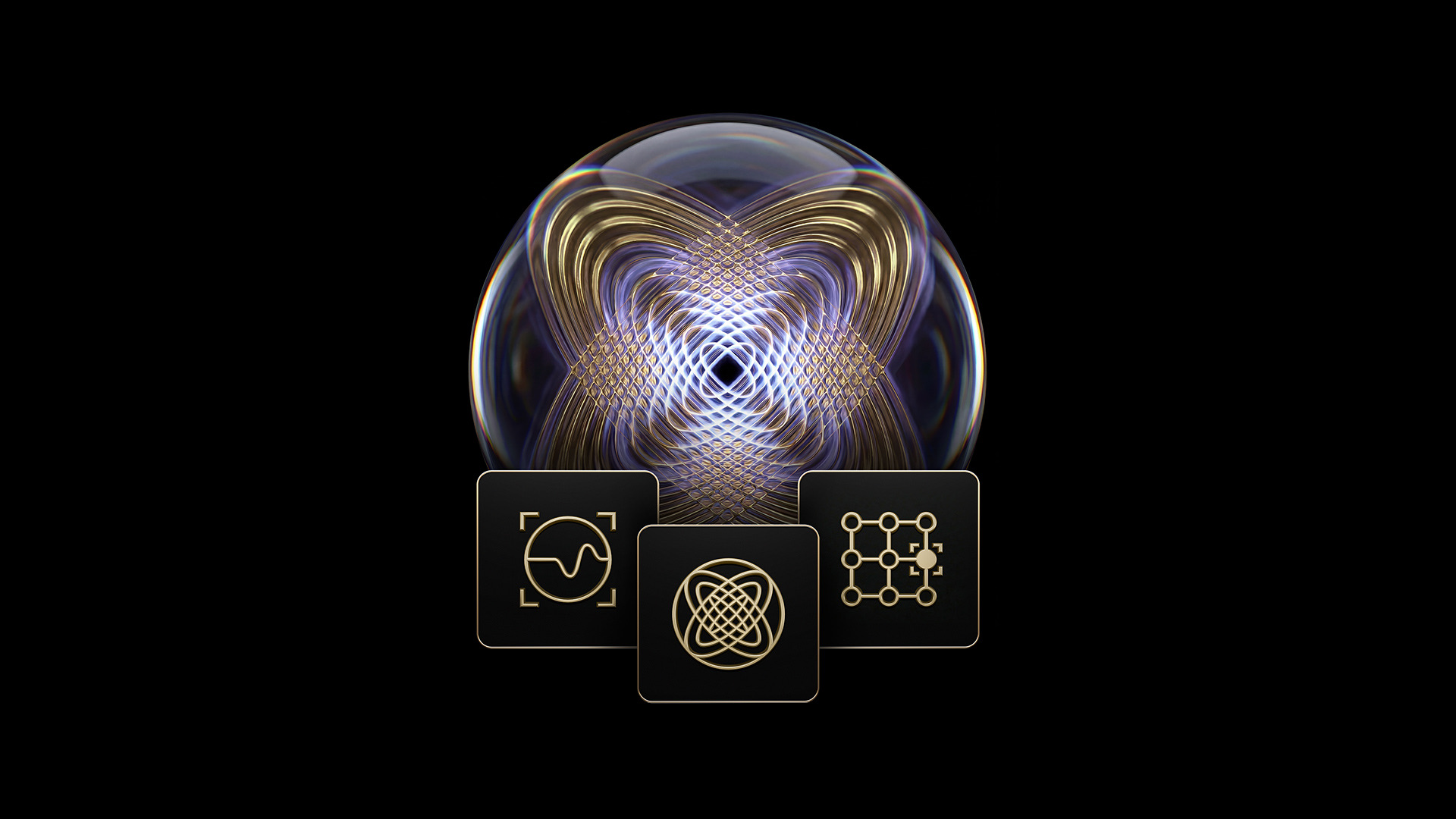
The UK’s National Physical Laboratory (NPL) has taken a significant step toward advancing quantum technology by deploying NVIDIA Ising AI to enhance the measurement and calibration of quantum computers. This initiative aims to support the transition of quantum systems from experimental stages to scalable platforms, marking a pivotal moment for quantum computing in the UK.
At the core of this initiative is the integration of NVIDIA Ising tools with NPL’s existing quantum measurement infrastructure. As the UK’s National Metrology Institute, NPL is tasked with establishing precise and reliable measurement standards for emerging technologies. Within its Institute for Quantum Standards and Technology (IQST), NPL’s researchers are focused on improving the characterization, calibration, and benchmarking of quantum devices, with a particular emphasis on quantum computers.
A central challenge within quantum computing lies in managing qubits, the fundamental units of quantum information. These systems are exceptionally sensitive, subject to various influences including environmental noise, instability, and device-level imperfections. As the scale of quantum processors increases, the complexity of maintaining stable qubit behaviour escalates dramatically. NPL’s adoption of NVIDIA Ising technology specifically targets this issue, aiming to automate processes that have traditionally required extensive manual oversight by specialists. This shift is projected to reduce operational overhead while enhancing measurement consistency.
The performance of qubits is typically evaluated using coherence metrics, particularly the relaxation time known as T1, which indicates how long a qubit remains in an excited state before decaying to its ground state. However, T1 measurements are not static; they can fluctuate due to external interference or drift over time. Historically, monitoring these variations necessitated repeated manual checks. With the introduction of NVIDIA Ising Calibration, NPL has demonstrated that such analyses can be automated. The system, powered by a trained vision-language model, is capable of assessing whether qubit coherence remains stable while distinguishing between different types of instability, including sudden changes and gradual degradation. This capability allows for quicker identification of performance issues and provides actionable insights for refining system behaviour.
In conjunction with deploying NVIDIA Ising, NPL has collaborated on creating a benchmarking suite designed to evaluate AI methods for quantum calibration. Within this framework, qubit coherence stability analysis serves as a critical test case. This benchmarking effort builds on previous findings that machine learning can expedite the characterization of quantum devices. Beyond efficiency improvements, these methodologies also provide deeper insights into the physical mechanisms responsible for noise in quantum systems.
This collaboration is part of NPL’s broader initiative to establish independent, transparent benchmarking standards for quantum computing. Reliable metrics are increasingly recognized as essential for guiding investment decisions and facilitating the commercialization of quantum hardware. By integrating NVIDIA Ising into its measurement systems, NPL is contributing to the development of robust evaluation frameworks aligned with the UK’s National Quantum Technologies Programme (NQTP).
Looking ahead, the next phase of this project will focus on scaling AI-based calibration techniques to accommodate larger and more complex quantum systems. Equally important will be the development of assurance frameworks to validate the outputs of AI tools used in quantum measurement. Ensuring trust in these systems is vital as automation becomes more entrenched in quantum computing workflows. The integration of NVIDIA Ising represents an early but significant step toward achieving that goal, reflecting a commitment to advancing the UK’s position in the global quantum landscape.
See also Microsoft Executive Predicts AI Will Fuel Software Growth Despite Job Concerns
 Google Partners with Marvell for New AI Chip Design Focusing on Inferencing Solutions
 Alphabet Advances Talks with Marvell to Co-Develop Custom AI Chips for Cloud Services
 a16z Reveals 5 Ways Blockchain Enhances AI Agent Infrastructure and Trust