In a notable shift over the past year, the perception of imaging artificial intelligence (AI) in radiology has evolved dramatically. Once deemed unacceptable by many radiologists, AI technologies that enhance workflow efficiency are now actively sought to address challenges such as administrative burdens, increasing service demand, and radiologist burnout. This change has been spurred largely by the rapid advancements in non-healthcare AI by firms like OpenAI, Google, and Anthropic, which have established AI as a critical component of productivity across various sectors. According to the Association of American Colleges, a projected shortage of between 13,500 and 86,000 physicians by 2036 underscores the potential impact of AI on improving productivity and staff retention in healthcare.
However, not all AI tools are equipped to make a lasting impact. The relative ease of developing new models contrasts sharply with the challenges associated with achieving widespread adoption. By 2026, the imaging AI tools that prevail will likely be those created by developers attuned to the genuine needs of radiologists. This marks a shift in focus from simply verifying a model’s functionality to determining its safety and efficacy in local settings.
Detection Is Not the Bottleneck
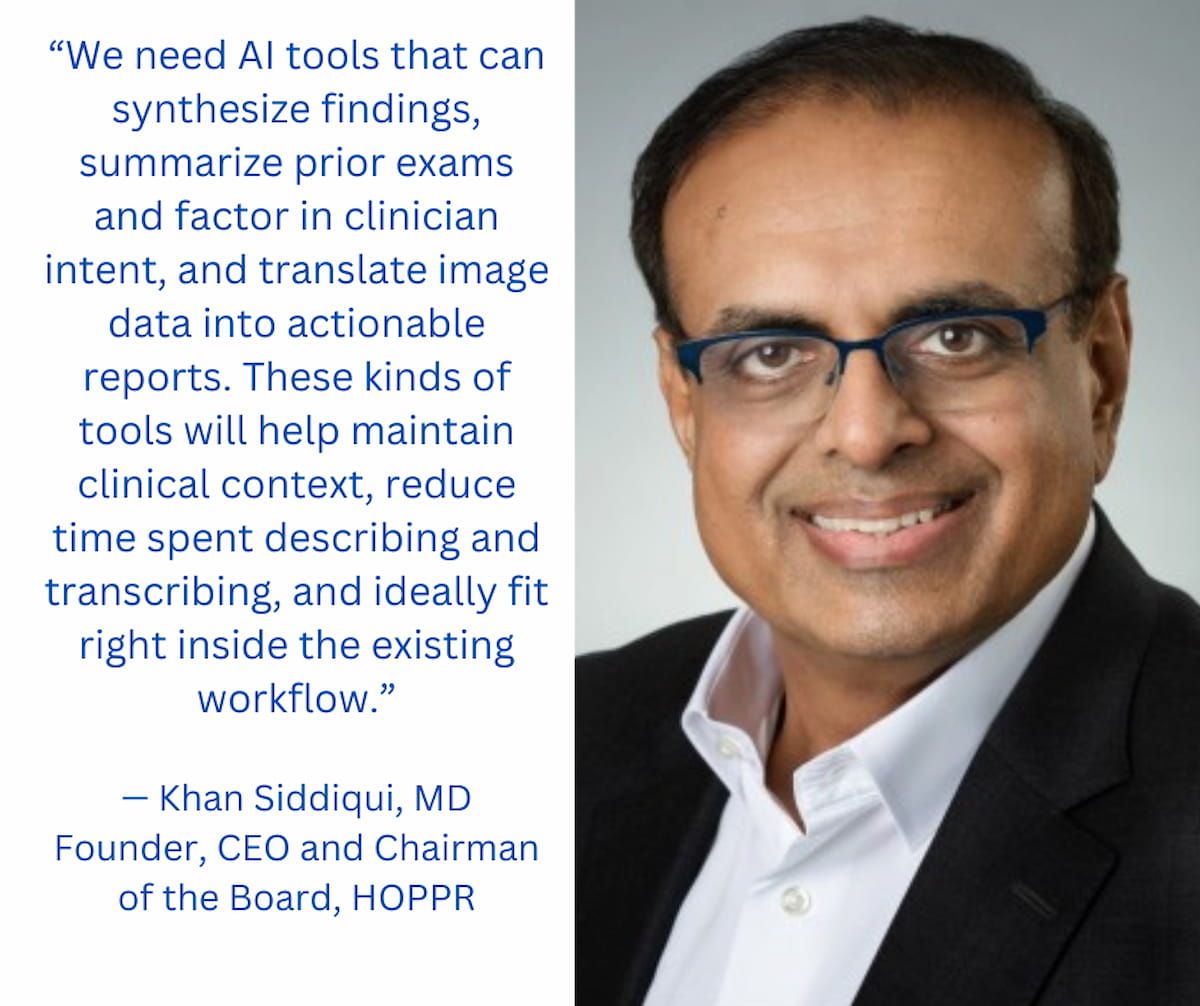
A common misconception among AI developers is that radiologists require assistance in detection due to their reported shortages. Yet, studies indicate that radiologists are remarkably proficient at identifying disease markers, needing as little as 250 milliseconds to spot irregularities on a chest X-ray. The real challenge lies in managing the cognitive and administrative workload. Therefore, AI tools that synthesize findings, summarize prior examinations, consider clinician intent, and translate imaging data into actionable reports may yield significant improvements. Integrating these functions smoothly into existing workflows could help alleviate the time-consuming tasks of documentation and reporting.
Another misconception is the necessity for specialized AI tools tailored to every individual body part or disease. This hyper-specialization can lead to unintended consequences, including increased burnout among radiologists. Current clinical practice requires radiologists to adopt a holistic perspective, assessing symptoms rather than confirming specific diagnoses. For instance, if a patient presents with a cough, relying solely on a tool designed for pneumonia may lead to diagnostic tunnel vision, hindering the identification of other potential issues.
The proliferation of many disconnected AI tools can also contribute to tool fatigue, complicating workflows rather than simplifying them. Successful imaging AI solutions must minimize friction in radiologists’ workflows, not add to their cognitive burden.
AI Platforms Will Replace Models
The future of medical imaging AI is poised for transformation through enhanced infrastructure. As innovation accelerates, standalone models risk obsolescence faster than healthcare systems can evaluate, acquire, and implement them. The rapid pace of technological advancement means that the shelf life of individual models is now shorter than the typical procurement cycle. Consequently, the healthcare sector will benefit more from robust platforms that can support ongoing development rather than being tethered to the frequent updates required by singular models.
The limitations of individual models often stem from inflexibility. Without the capacity to adapt to varying local practices or differentiate between inpatient and outpatient workflows, even the most effective models may struggle to deliver sustained value. Platforms equipped with the necessary infrastructure can provide comprehensive solutions tailored to the diverse needs of healthcare practices.
Real World Performance Takes a Front Seat
Traditionally, regulatory clearance served as the primary indicator of a tool’s clinical relevance and success. However, given the rapid evolution of AI, continuous data from real-world applications is becoming increasingly vital. Regulatory approval reflects validation against a specific dataset at a particular moment, which does not guarantee ongoing clinical performance or relevance as both the model and the clinical context evolve. The most effective imaging tools will seamlessly integrate into existing workflows, allow for local validation and adjustment, and become part of the reporting process rather than existing as separate detection modules.
Ultimately, while radiologist burnout and workforce shortages present significant challenges, AI can help address these issues, though not in the flashy manner many developers envision. The industry needs adaptable, living technologies that alleviate workload pressures, enabling radiologists to focus on interpretation and clinical reasoning. Instead of inundating professionals with numerous tools that require constant updates, the emphasis should be on creating solutions that blend into workflows so effectively that they become virtually invisible. Companies that grasp the intricacies of clinical processes and prioritize reducing cognitive load are positioned to succeed in the evolving landscape of imaging AI through 2026.
Dr. Siddiqui, founder, CEO, and chairman of the board for HOPPR, emphasizes the need for innovations that prioritize enduring clinical relevance and user experience.
See also Indian Telcos Push for Higher International Termination Charges Amid Rising AI Scams
 AI Ethics Revolutionized: Hindman’s Insights Transform Play Therapy Practices at ACC 2025
 Runway AI Secures $315M Funding, Boosting Valuation to $5.3B for 3D Model Development
 Trump’s AI Czar Warns 1,200 State AI Laws Risk U.S. Leadership in Global Race