






















































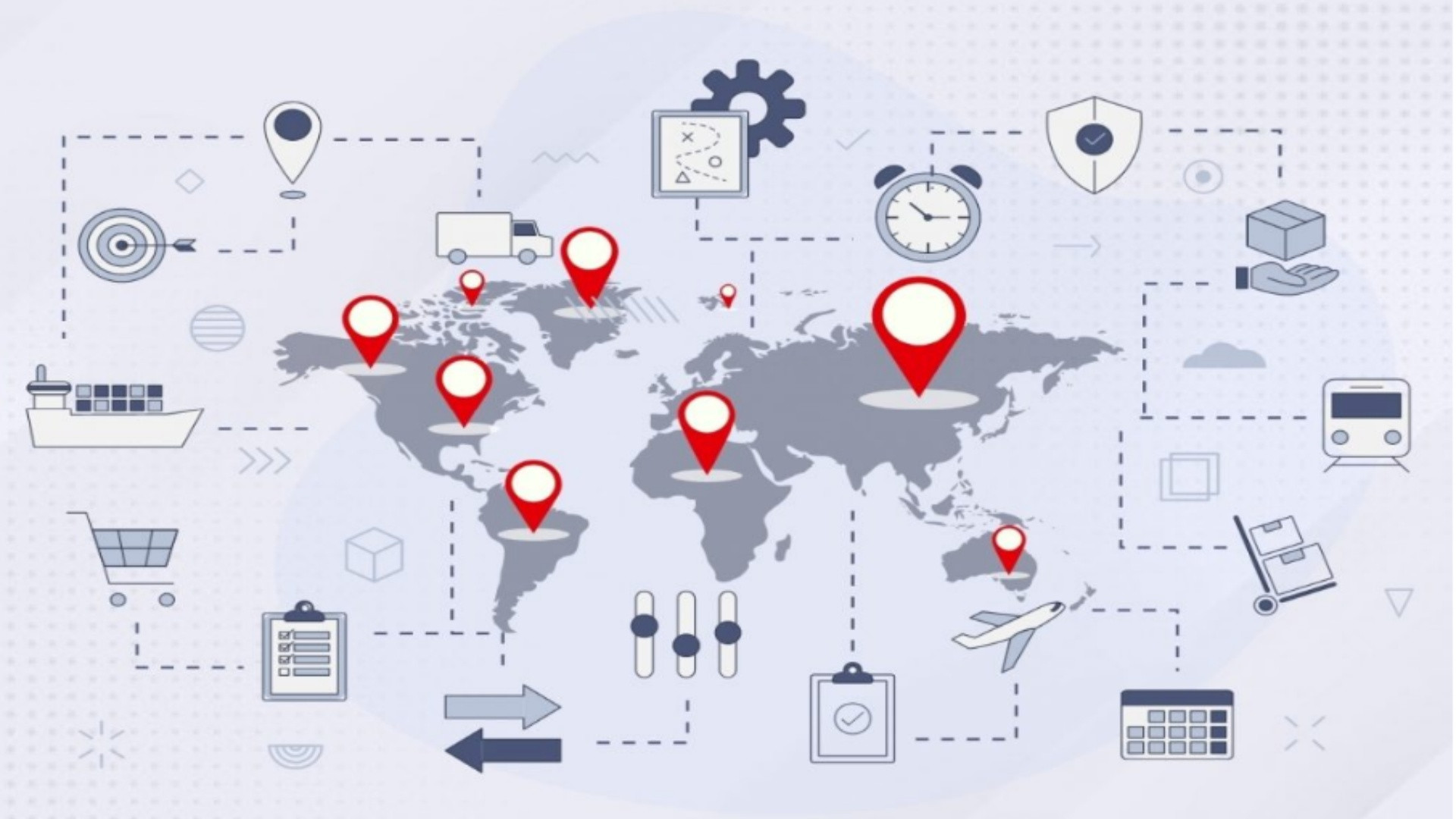
Global supply chains are undergoing significant transformation due to rapid technological advancements, shifting trade policies, and escalating geopolitical tensions. Within the battery sector, which plays a crucial role in the ongoing energy transition, understanding these dynamics is essential for fostering innovation, attracting investment, and enhancing resilience.
Researchers at The University of Manchester are pioneering AI-based methodologies aimed at mapping how companies adapt to supply chain risks. By analyzing data from international firms—including transcripts from site visits—the research team employs large language models to identify the reasons behind changes in supply networks, ranging from a concentration around specific suppliers to a diversification across various regions.
This initiative provides a fresh perspective on strategic management, revealing how businesses respond to uncertainties and external shocks. The insights gleaned from this project could guide both policy and industry efforts to develop supply chains that are more transparent, secure, and sustainable.
Linyi Guo, the PhD researcher leading the study, emphasizes the importance of inclusivity in innovation. “I believe innovation should be inclusive and driven by real-world needs, especially in supply chain transparency and corporate strategy,” Guo stated. “By combining AI with strategic analysis, we can uncover how global networks evolve—helping businesses and policymakers make better, fairer decisions in complex systems.”
The intersection of artificial intelligence and supply chain management is increasingly relevant as industries strive to navigate a landscape marked by volatility. Companies are now under pressure to reassess their operational frameworks and to identify vulnerabilities within their supply chains. As geopolitical tensions continue to rise and trade policies fluctuate, the need for adaptability becomes paramount.
Moreover, the insights from this research can play a pivotal role in informing government policy aimed at enhancing supply chain resilience. By understanding the intricacies of how firms modify their networks in response to risks, regulators can better support initiatives that promote robust supply strategies.
This research fits within a broader trend where technology is being leveraged to solve complex logistical issues. As AI systems become more sophisticated, their applications in monitoring and optimizing supply chains are proving invaluable. By utilizing data analytics, firms can make informed decisions that enhance operational efficiencies while mitigating risks associated with supply interruptions.
As battery technologies evolve and the demand for electric vehicles surges, the implications of this research extend beyond immediate supply chain concerns. With the global push towards renewable energy, optimizing battery production and distribution is becoming increasingly critical. Thus, understanding supply chain dynamics is not just an operational necessity but a strategic imperative.
Looking ahead, the findings from The University of Manchester could significantly influence how industries approach their supply chains in the context of sustainability and transparency. As companies become more aware of the interconnected nature of global markets, the need for adaptable strategies will likely shape the future of supply chain management.
See also Woman Celebrates AI Wedding to ChatGPT Character Klaus Amid Growing Tech-Intimacy Trend
 IBM Shares Stabilize Near $303 Amid Confluent Acquisition and AI Strategy Insights
 AI-Driven Drug Optimization Market to Surge from $450B to $7.87T by 2030, Catalyzed by COVID-19
 Motilal Oswal’s Nifty Microcap 250 Fund Achieves 59.36% Return Over 5 Years
 AI Adoption Surges as Companies Shift Focus; Crypto Volatility Signals Market Evolution















