






















































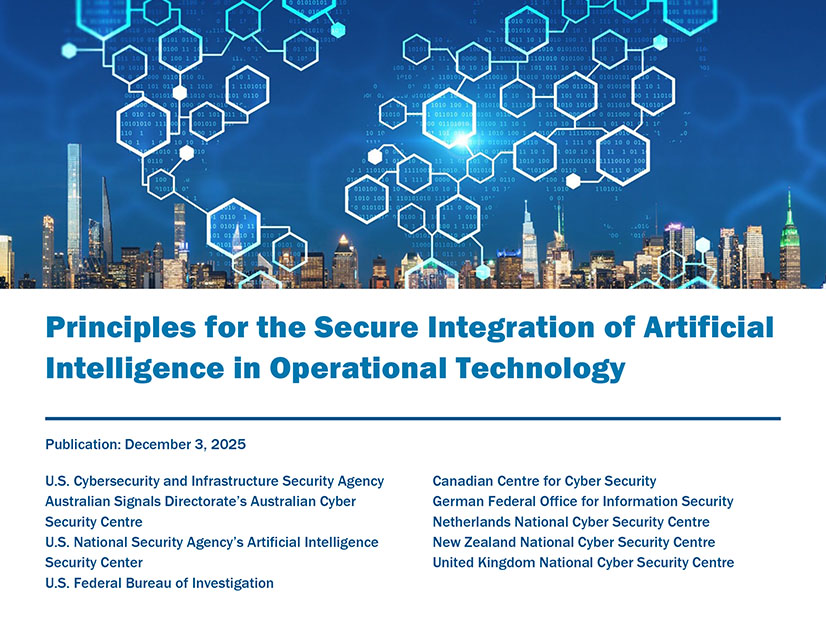
The Cybersecurity and Infrastructure Security Agency (CISA) has published a new guidance document aimed at assisting utility operators in integrating artificial intelligence (AI) within their operational technology (OT) environments. Released on December 3, 2025, the document outlines the potential risks and challenges associated with implementing AI in critical infrastructure systems, a move that reflects the growing importance of advanced technologies in enhancing operational efficiency and security.
CISA’s initiative comes amid increasing concerns over the vulnerabilities that AI could introduce into existing OT frameworks, which are essential for the functioning of utilities such as water, electricity, and transportation. The agency emphasizes the necessity for stakeholders to adopt a comprehensive approach that balances innovation with security, ensuring that the deployment of AI technologies does not compromise the integrity of critical systems.
The guidance highlights several key risks, including data manipulation, algorithmic bias, and adversarial attacks that could exploit weaknesses in AI systems. CISA encourages organizations to conduct thorough risk assessments and implement robust safeguards to mitigate these challenges. By establishing a clear framework for the responsible use of AI, CISA aims to foster a secure environment that allows critical infrastructure sectors to benefit from the efficiencies offered by machine learning and automation.
As AI technologies continue to evolve, the implications for operational technology are profound. The ability to analyze vast amounts of data in real time can significantly enhance operational decision-making and predictive maintenance, leading to reduced downtime and improved service delivery. However, the integration of AI also necessitates a reevaluation of existing cybersecurity protocols, as traditional defenses may not be sufficient to counter sophisticated AI-driven attacks.
CISA’s guidance is a critical step in encouraging utility operators to engage with AI responsibly. By providing a structured approach to AI integration, the agency aims to ensure that the benefits of enhanced automation and analytics are realized without compromising the security of essential services. This guidance is particularly timely, as the energy sector and other utilities increasingly adopt AI solutions to improve efficiency and reliability.
The document serves not only as a roadmap for organizations looking to innovate but also as a reminder of the potential repercussions of neglecting cybersecurity in the age of AI. As the industry moves forward, collaboration among stakeholders will be essential to develop best practices and standards that safeguard critical infrastructure while facilitating technological advancement.
Looking ahead, the landscape of operational technology is likely to be transformed by AI-driven innovations. As CISA’s guidance gains traction, the agency will continue to work with industry partners to refine these recommendations and address emerging threats. The successful integration of AI into critical infrastructure will hinge on a balanced approach that prioritizes both innovation and security, setting a precedent for future advancements in the sector.
For further details on CISA’s guidance, visit their official website at CISA.
See also Cisco Duo Reveals Urgent Need for Security-First Identity Strategies to Combat AI-Driven Threats
 DeepSeek Launches V3.2 Models, Surpassing GPT-5 and Gemini 3 Pro in Benchmarks
 Space Debris Threatens Google’s Project Suncatcher: Risks to AI Data Centers in Orbit
 Orq.ai Raises €5 Million Seed Funding to Enhance Enterprise AI Agent Platform
 Nvidia Avoids US Export Curbs on AI Chips Amidst Legislative Changes and Lobbying Efforts















