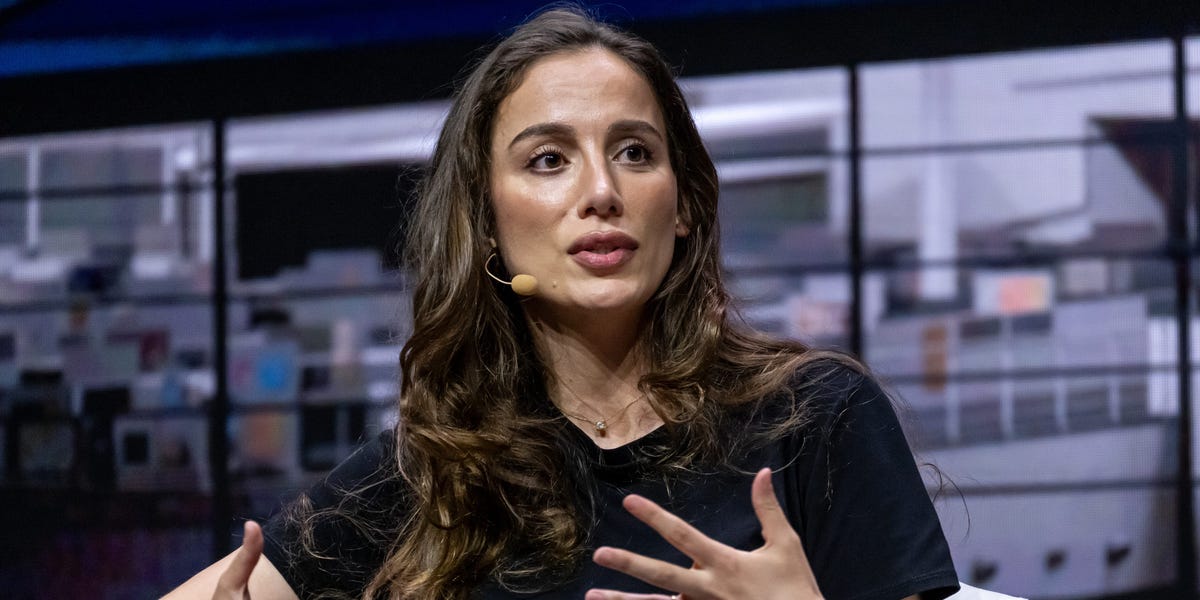
Thinking Machines Lab is experiencing another wave of employee departures as the $12 billion artificial intelligence startup continues to face recruitment challenges from larger tech companies, particularly Meta. Most recently, three employees have transitioned from the startup to Meta, highlighting a growing trend of talent migration within the AI sector.
Among those who have left is Mark Jen, a software engineer and member of the founding team, along with Yinghai Lu, who specializes in AI inference and has previously worked at both Meta and OpenAI. The third individual, Tianyi Zhang, an AI researcher and notable academic contributor, also made the move to Meta. While none of the three have publicly announced their new roles on LinkedIn, Business Insider has verified their transitions through sources familiar with the situation.
The specific roles and contributions of Jen, Lu, and Zhang at Meta remain unclear, as both Thinking Machines Lab and Meta have declined to comment on the matter. Their departures signify a continuation of a trend that has seen several high-profile employees leave Thinking Machines Lab since its launch last year, despite its significant achievement of raising $2 billion in funding.
Meta has aggressively pursued talent from Thinking Machines Lab, confirming the recruitment of seven founding team members to date. Among them is Joshua Gross, who played a pivotal role in developing the company’s flagship product, Tinker. Meanwhile, Jolene Parish, a founding member focused on security engineering, has joined OpenAI.
Despite these losses, Thinking Machines Lab has also attracted prominent figures within the AI community. Its current CTO, Soumith Chintala, famously left Meta to take on the leadership role and is recognized for his contribution to the open-source AI framework PyTorch. Additionally, the startup has made notable hires, including Neal Wu, a programming prodigy who has won multiple gold medals at coding Olympiads.
According to a source familiar with the matter, the headcount at Thinking Machines Lab has more than quadrupled, reaching 130 employees. This expansion reflects the company’s ambition to position itself as a leader in the competitive AI landscape, despite the challenges posed by ongoing talent poaching.
The pattern of employee departures from Thinking Machines Lab underscores the fierce competition for AI expertise in Silicon Valley, where larger firms are aggressively courting top talent. This bidding war for skilled professionals not only heightens the stakes for startups but also raises questions about their ability to retain key personnel amid lucrative offers from established tech giants.
As the AI sector continues to evolve rapidly, the implications of such talent movements could have broader ramifications for the future of both startups and established companies alike. The ongoing recruitment efforts by firms like Meta illustrate the critical importance of securing innovative talent in shaping the future of AI technologies and applications.
See also Google DeepMind Elevates Alexandre Moufarek to Director of Product Management
 DeepSeek AI Anticipates XRP and XLM Price Movements Amid Escalating Middle East Tensions
 Yoshikazu Yasuhiko Discusses Venus Wars, Gundam Legacy, and Future AI Art Projects
 Over 81,200 Tech Layoffs in 2026 as Firms Shift Focus to AI Efficiency