






















































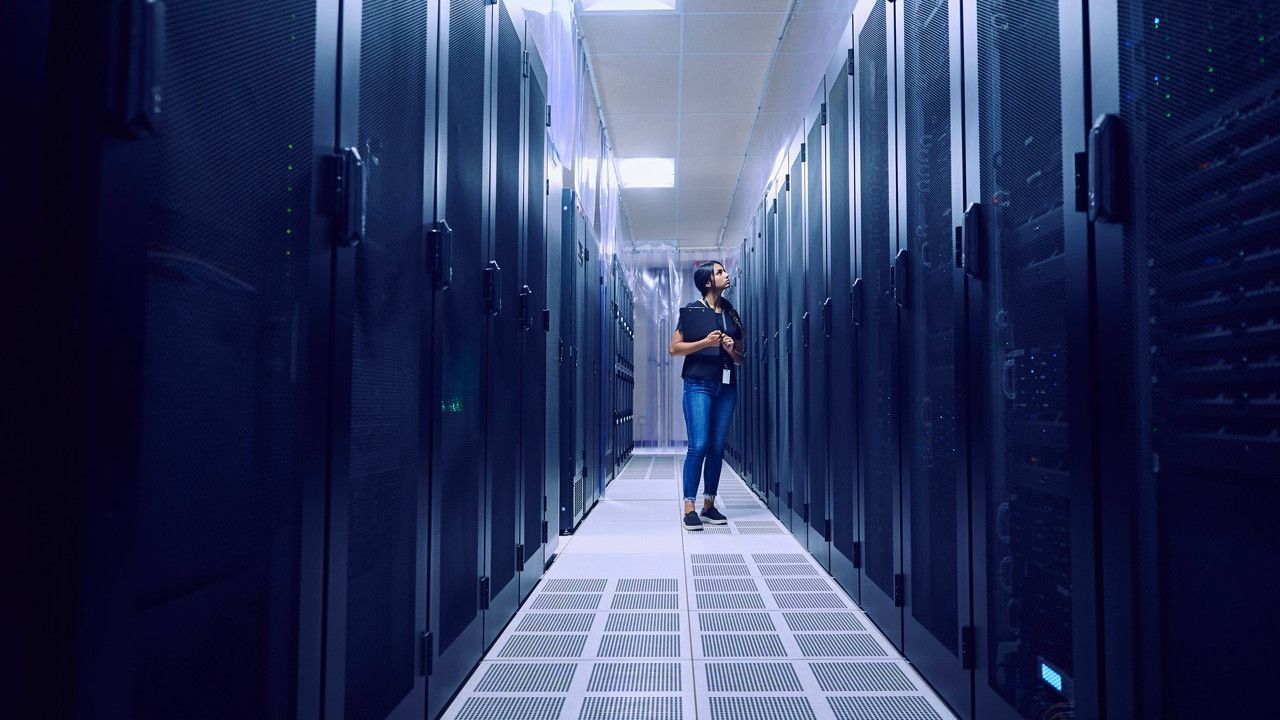
Meta has launched a new initiative, named Meta Compute, aimed at expanding its computing infrastructure to support advanced artificial intelligence (AI) technologies. This internal organization operates at the highest level within the company, reporting directly to CEO Mark Zuckerberg. The initiative is set to deploy tens of gigawatts of computing power this decade, with plans to escalate capacity into the hundreds of gigawatts over the longer term, which is a significant departure from traditional data center growth trajectories.
The establishment of Meta Compute comes as the company has invested approximately $72 billion in AI-related efforts in 2025, although the financial returns from these investments remain uncertain. Meta has asserted that these initiatives are intended to deliver economic benefits to the communities where data centers are located. This focus is particularly timely, as local communities have begun expressing concerns regarding the implications of large facilities on electricity prices and water usage.
Meta Compute consolidates various domains—software, hardware, networking, and facilities planning—under a single umbrella. This restructuring is designed to ensure that hardware and software decisions are aligned, a necessity given that AI workloads impose different demands on systems compared to earlier cloud services. The new organization will be co-led by Santosh Janardhan and Daniel Gross, who will divide responsibilities between execution and long-term planning.
Janardhan will focus on technical aspects, including system architecture, in-house silicon development, and managing the company’s global data center fleet. Meanwhile, Gross will concentrate on defining future compute requirements, constructing supply chains capable of delivering hardware at multi-gigawatt scales, and developing models that consider industry shifts and resource constraints. Together, their roles reflect a strategy aimed at treating power, land, equipment, and networking as interconnected issues.
Zuckerberg highlighted the significance of this new initiative in a recent post on Threads, stating, “Today we are establishing a new top-level initiative called Meta Compute. Meta is planning to build tens of gigawatts this decade, and hundreds of gigawatts or more over time. How we engineer, invest, and partner to build this infrastructure will become a strategic advantage.”
While Meta Compute will focus on long-term capacity strategies, day-to-day operations of existing data centers will continue under current infrastructure teams. This separation indicates an intent to move away from reactive expansion driven solely by immediate demand, allowing for a more strategic approach to infrastructure development.
The implications of this initiative extend beyond Meta itself. As the demand for AI computing power skyrockets, major technology companies are increasingly focusing on how to manage resources effectively while addressing community concerns. Meta’s significant investment and strategic planning signal its commitment to being at the forefront of this competitive landscape. As AI continues to evolve, the infrastructure supporting it may well determine the capabilities and limitations of future technologies.
See also NYSE Pre-Market Update: U.S. Stocks Dip Ahead of Fed Speeches; U.S.-Saudi Biotech Summit Launches
 IHG Appoints McDonald’s AI VP Wei Manfredi to Transform Hospitality Tech Strategy
 OpenAI Warns of China’s Rising AI Challenge as DeepSeek Release Sparks Speculation
 AI Ethics Crisis: Grok’s Misconduct Highlights Urgent Need for Responsible AI Standards
 Children in Isle of Man Create AI-Generated Images for Bullying, Facing Legal Consequences















