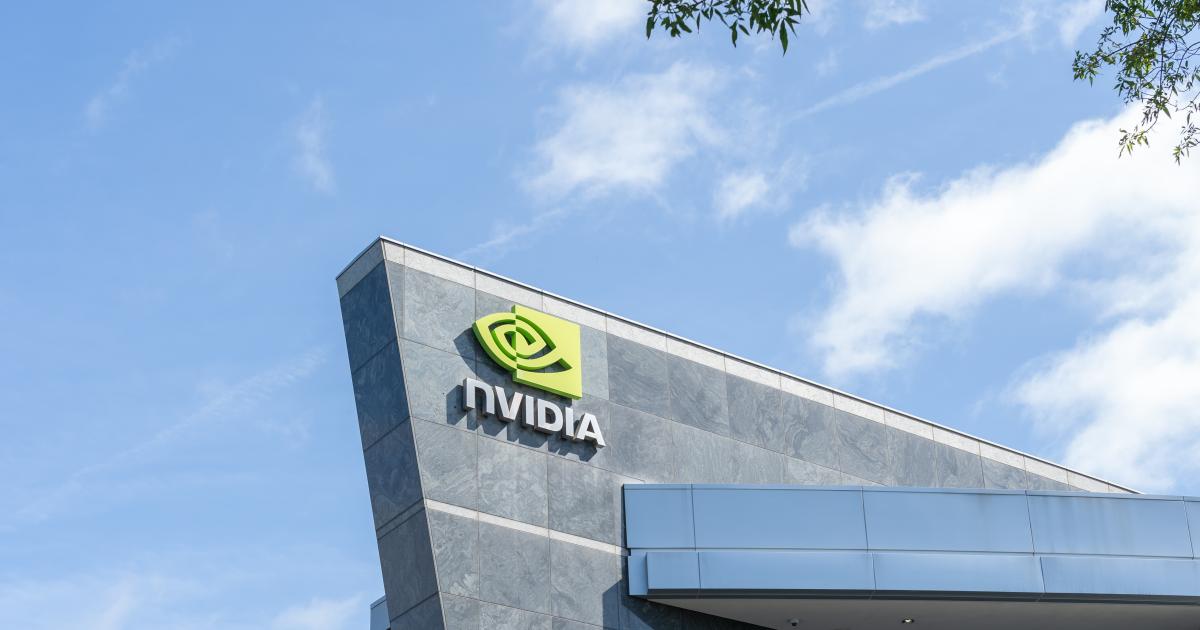
The ongoing tensions between the United States and China are further complicated by revelations regarding Nvidia’s role in assisting Chinese artificial intelligence (AI) developments, particularly those utilized by the Chinese military. In a letter addressed to U.S. Commerce Secretary Howard Lutnick, Representative John Moolenaar, a Republican from Michigan and chairman of the House Select Committee on China, disclosed that documents obtained by the committee indicate extensive technical assistance from Nvidia to the Chinese AI firm DeepSeek. This assistance reportedly enabled DeepSeek to refine AI models that have been deployed for military applications.
The implications of these findings are significant, as they raise concerns about the intersection of U.S. technology and national security. Nvidia, a leading American chipmaker, is renowned for its advancements in AI and graphics processing units (GPUs). However, the potential use of its technology in military contexts by adversarial nations poses a dilemma for U.S. policymakers, who are tasked with balancing innovation and security. The letter from Moolenaar underscores this tension, highlighting the committee’s findings as part of a broader investigation into the technological collaborations between U.S. companies and Chinese entities.
Moolenaar’s letter, which was made public by Reuters on Wednesday, points to a growing unease within Congress regarding the influence of American technology firms in strategic sectors of foreign nations. The assistance provided by Nvidia to DeepSeek is particularly alarming for U.S. legislators who are scrutinizing the potential military applications of AI technology. In recent years, both the U.S. and China have recognized the strategic importance of AI in military operations, leading to concerns that American innovations might inadvertently enhance China’s military capabilities.
While Nvidia has not publicly commented on the specifics of its engagements with DeepSeek, the company has previously stated its commitment to compliance with U.S. export control laws. The situation exemplifies the complex dynamics of international technology transfer and the challenges faced by companies operating in a globalized market. It also raises questions about the adequacy of existing regulations governing technology exports, particularly in sectors critical to national security.
The investigation by the House Select Committee on China is part of a larger trend among U.S. lawmakers to examine the implications of technology sharing with adversarial states. As the U.S. seeks to maintain its competitive edge in AI, the fear is that collaboration with foreign entities could lead to unintended consequences, such as the enhancement of military strategies that threaten U.S. interests.
Looking forward, the revelations regarding Nvidia’s interaction with DeepSeek may prompt further scrutiny of the tech industry’s role in global security dynamics. U.S. lawmakers are likely to propose tighter regulations on technology exports and collaborations, particularly in areas of dual-use technologies that can be employed for both civilian and military applications. As the geopolitical landscape continues to evolve, the balance between fostering innovation and safeguarding national security interests will remain a critical issue on the agenda for U.S. policymakers.
See also NASA’s Perseverance Rover Executes First AI-Driven Mars Drives Using Claude Model
 Wild Tech Unveils 2026 Growth Strategy with AI-Driven Solutions for Construction and Manufacturing
 IFSA Global EXPO 2026 Launches in Dallas with New Experiences and Networking Opportunities
 SpaceX Proposes One Million Solar-Powered Satellites for AI Data Processing in Orbit
 AI-Washed Layoffs Surge in 2025: Companies Misuse Tech to Mask Cost-Cutting Strategies