Alphabet Inc. is emerging as a frontrunner in the artificial intelligence (AI) sector, positioning itself strategically for significant stock performance through 2030. The tech giant, which operates under the ticker symbols GOOGL and GOOG, has shown solid growth this year, with its stock incrementally rising by approximately 0.86% recently. However, analysts believe this momentum is just the beginning of a much larger upward trajectory.
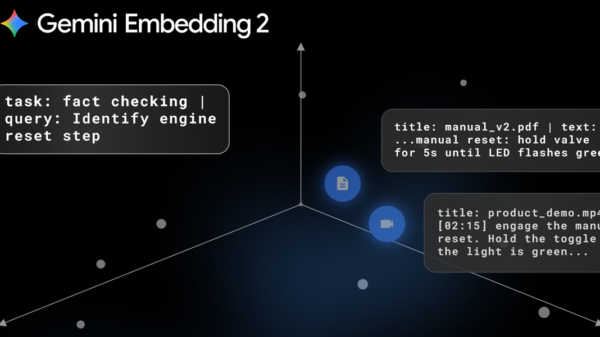
As the investment community anticipated challenges for Alphabet’s core Google search business amid escalating competition from AI-powered chatbots, the company has managed to pivot effectively. In 2025, Alphabet introduced its Gemini large language model (LLM), which swiftly elevated its capabilities to rival the best in the market. Integration of Gemini into Google search transformed the user experience with innovative features such as AI Overviews and multimodal search functionalities like Circle to Search and Lens. This transition not only enhanced the search experience but also allowed users to toggle seamlessly between traditional search and AI-generated responses.
This dual capability creates a frictionless experience for users, leveraging the extensive distribution network Alphabet already possesses. Google search remains the default engine on nearly every device globally, except in China, where it does not operate. The company also commands more than 70% market share in both the smartphone operating system and web browser sectors. Additionally, Alphabet’s search revenue-sharing agreement with Apple solidifies its position as the preferred search engine on Apple devices, encompassing a substantial user base.
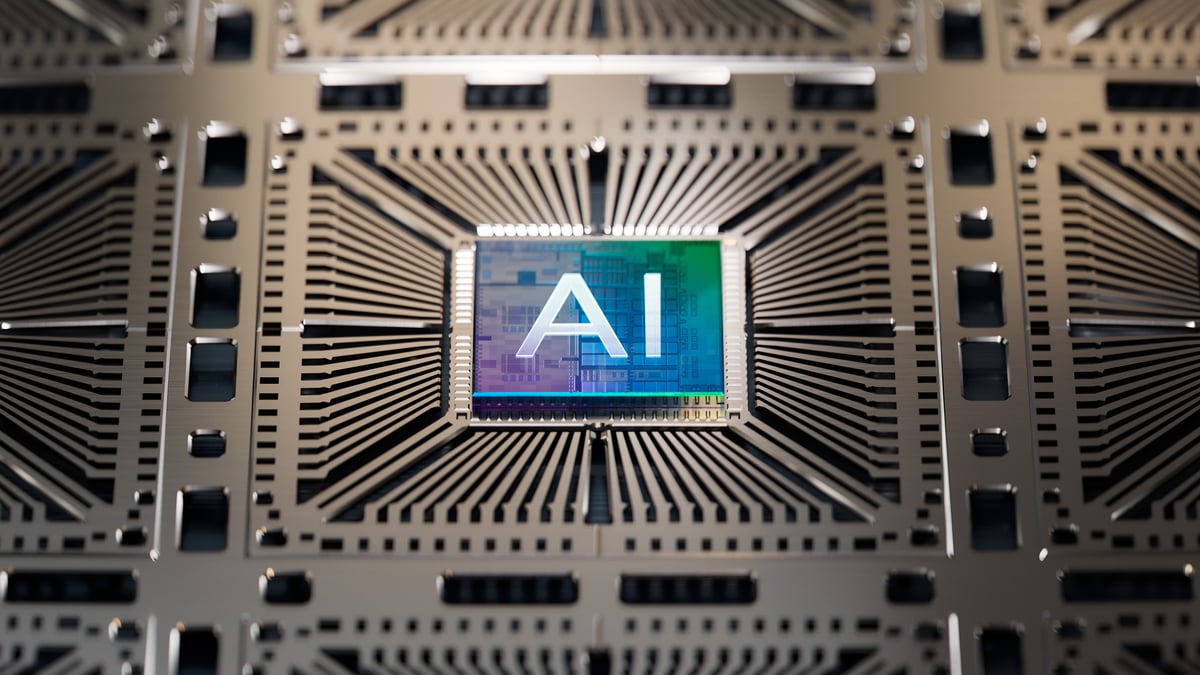
Instead of facing a downturn in search revenue due to increased competition, Alphabet’s revenues have accelerated. The company is now better positioned to harness its extensive advertising network and explore new monetization avenues within the AI space, forecasting continued growth. A crucial element aiding this progress is the development of its custom AI chips, known as Tensor Processing Units (TPUs), which have been in use for over a decade. Designed as application-specific integrated circuits (ASICs), TPUs are optimized for Google’s TensorFlow framework and are increasingly compatible with other frameworks like JAX and PyTorch. This adaptability opens additional commercial possibilities, allowing Alphabet to market TPUs to companies such as Anthropic, which utilizes PyTorch.
Moreover, Alphabet has not only crafted the hardware but has also integrated its software tools, such as XLA compilers, to maximize performance. Compared to general-purpose graphics processing units (GPUs), TPUs deliver superior performance at significantly lower energy costs, bestowing Alphabet with a substantial structural advantage over competitors that predominantly rely on Nvidia‘s costly GPUs. Given this cost efficiency, Alphabet stands to benefit as the demand for AI applications grows and total inference expenses rise. This cost-effectiveness leads to a beneficial cycle: enhanced training yields better models, drawing more users to adopt Gemini, which in turn increases revenue for further AI improvements.
The edge gained from having more economical training and inference resources significantly boosts Alphabet’s cloud computing segment, Google Cloud. This positioning enables Alphabet to provide more cost-effective solutions compared to Nvidia-centric offerings, likely resulting in higher gross margins and improved returns on capital expenditures than its rivals.
Anticipated Market Leadership
The positive feedback loop created by Alphabet’s AI advancements is expected to deepen over time. While Amazon and Microsoft have their own custom chip initiatives, they have yet to achieve the same level of integration seen with TPUs, suggesting that Alphabet will maintain its lead for the foreseeable future. Meanwhile, OpenAI’s chip development remains nascent, and it lacks the distribution power and advertising network that Alphabet commands.
Overall, Alphabet’s unique combination of advanced AI chips and sophisticated models positions it to emerge as a dominant player in the AI landscape. As the company continues to innovate and optimize its AI capabilities, its stock is poised for market-beating returns in the coming years, reflecting its strong foundational strategy in an increasingly competitive field.
See also Australian Retail Spending Up 5% This Xmas, Fuelled by AI and Online Growth
 AI in Finance Awards 2025 Highlights Banks’ Strategic Shift to Core AI Integration
 GenAI in Banking: Balancing Hype with Practical Applications for 2026 and Beyond
 Healthcare VCs Predict 2026 Focus on AI Solutions and M&A, Few IPOs Expected
 Freshworks Plans $800 Million AI-Focused Acquisitions to Boost Growth Strategy