China’s bustling metropolis, Shanghai, is setting its sights on revolutionizing the dining experience through the integration of artificial intelligence (AI) and automation in the restaurant sector. The city aims to lead the nation in establishing a “nationally leading, world-class” hub for smart dining by 2028, according to a recent action plan released by Shanghai’s commerce commission along with four other municipal bureaus. This ambitious initiative is poised to reshape not only how meals are prepared but also the labor market within the food service industry.
As the discussion around automation intensifies in China’s catering sector, Shanghai is determined to implement innovative technologies across local eateries. The plan outlines a clear objective: over the next three years, more than 70% of operations in group dining, fast-food, and drink chains will incorporate smart technologies throughout their value chains. Furthermore, the rate of intelligent application in key operations at full-service restaurants is expected to exceed 50%.
Transforming the Culinary Landscape
The proposed changes will include the establishment of smart central kitchens and the initiation of three to five “AI + dining” pilot projects. The city also plans to cultivate several leading smart solution providers specifically for the catering industry. This shift toward automation is not merely about enhancing efficiency; it signifies a fundamental transformation in the culinary landscape, reshaping how restaurants operate from kitchen management to customer service.
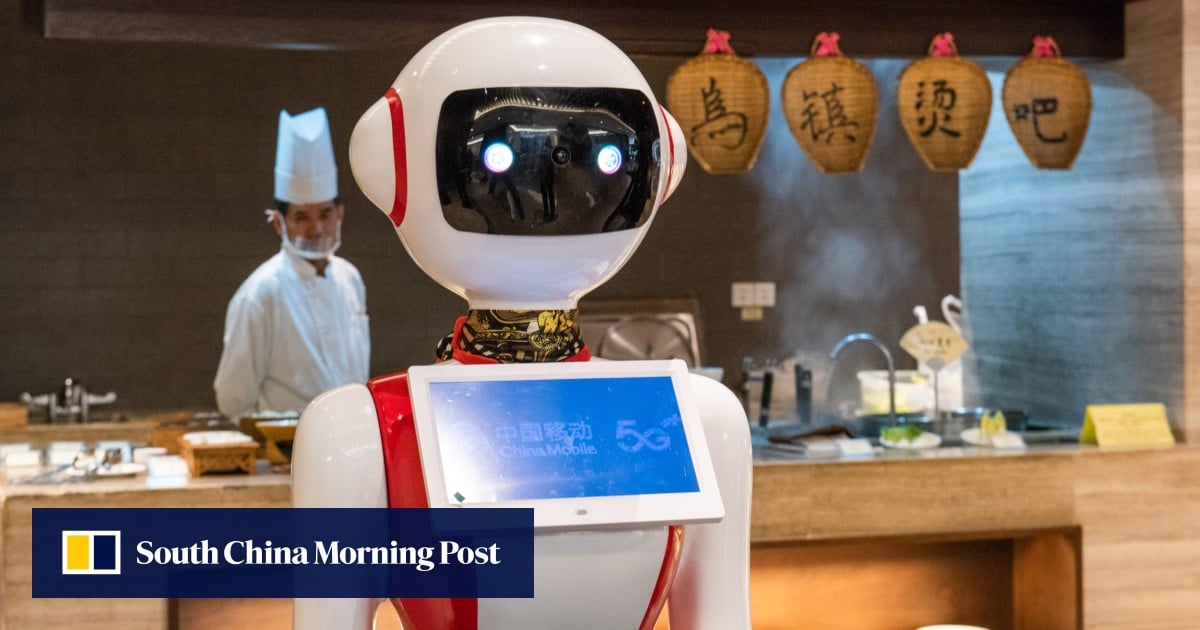
The integration of AI will manifest through automated kitchens equipped with advanced technologies to streamline food preparation processes. Robot servers will enhance the dining experience by providing quick service, while data-driven menus will allow restaurants to tailor offerings based on consumer preferences and real-time analytics. Moreover, intelligent supply chains will optimize inventory management, reducing waste and ensuring freshness.
Industry analysts suggest that Shanghai’s proactive approach could trigger a significant shake-up in the broader food service sector across China. As restaurants adopt these innovative practices, they may find themselves operating in an increasingly competitive environment, raising the bar for service quality and operational efficiency. This transformation may also impact the labor market, as job roles shift towards more technology-oriented positions.
Looking Ahead: The Future of Dining in Shanghai
The commitment to advancing smart dining in Shanghai aligns with broader global trends prioritizing technological integration in everyday experiences. As the city moves forward with its comprehensive plan, it reflects a growing recognition of the potential for AI to enhance various aspects of life, including how we eat and interact with food service providers.
While challenges will undoubtedly arise, such as the need for workforce retraining and the potential for job displacement, the overall vision is one of progress and innovation. By 2028, the goal is to firmly establish Shanghai not just as a culinary destination, but as a benchmark for smart dining practices worldwide, demonstrating the successful application of AI in enhancing consumer experiences.
In conclusion, Shanghai’s initiative to embrace AI in its dining establishments marks a significant step towards a future where technology and gastronomy intertwine. As the city works towards its ambitious goals, it sets a compelling example for other urban centers around the globe to explore the vast possibilities brought forth by artificial intelligence in the food service industry.
See also AI Enhances Daily Life: How Intelligent Systems Improve Human Experience and Well-Being
 Alibaba Launches Revamped Qwen Chatbot to Compete with OpenAI’s ChatGPT
 Generative AI Transforms Developer Roles, Boosts Workflow Efficiency by 19%
 Ranan Lachman Reveals Strategies to Future-Proof Lives Amid AI Transformation
 IAB Tech Lab Launches Agentic RTB Framework 1.0 to Enhance On-Device AI for Publishers