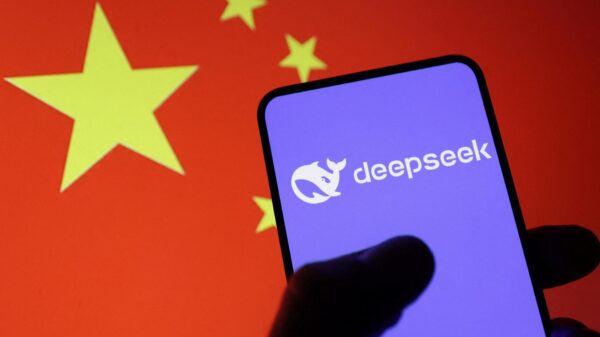
The leadership of the Communist Party of China (CPC) remains firmly entrenched in the nation’s governance, with its influence permeating various sectors, including courts, markets, banks, universities, and media. This control extends even to private enterprises, enabling the regime to mobilize substantial resources effectively. A case in point is the emergence of innovative companies like DeepSeek, reminiscent of the Soviet Union’s Sputnik, which represents a significant technological breakthrough. However, the success of any industrial revolution hinges not merely on isolated breakthroughs but requires an ecosystem of disruptive innovations across technology, business models, and institutional frameworks that interconnect and build upon one another.
The historical experience of the Soviet Union illustrates this challenge. Despite early achievements in specific fields, the USSR and its Eastern European satellites struggled to maintain pace with Western advancements during the third industrial revolution, ultimately contributing to the demise of their communist frameworks. This historical precedent serves as a cautionary tale for China as it seeks to solidify its position as a global technological leader.
China’s ambition to foster homegrown innovation faces significant hurdles despite the CPC’s centralized control. The government’s ability to direct resources and focus efforts can yield rapid advancements in certain sectors, particularly in artificial intelligence and advanced manufacturing. However, the lack of a robust feedback mechanism typical of more open economies may stifle the organic growth of a diverse innovation landscape. Without a continuous cycle of innovation feeding into and building upon existing successes, the potential for stagnation remains a real concern.
The Chinese government has recognized the need for a concerted effort in nurturing innovation ecosystems. Recent initiatives have aimed to enhance collaboration between state-owned enterprises and private firms, promoting a symbiotic relationship that could lead to more significant breakthroughs. For instance, initiatives targeting universities and research institutions are designed to bolster partnerships with industry, aiming to translate academic research into commercial applications that can compete on a global scale.
Yet, as history has shown, the challenge is to maintain momentum over time. The CPC’s top-down approach may yield immediate results but often lacks the dynamism present in markets driven by competition and consumer choice. In examining China’s trajectory, analysts point to the necessity of developing an environment that fosters not just state-sponsored projects but also grassroots innovation. This dual approach could enhance the country’s competitiveness while preventing the pitfalls that plagued the Soviet model.
Looking forward, the trajectory of China’s technological landscape will depend significantly on how well it can navigate these challenges. The CPC’s grip on power may facilitate rapid mobilization of resources, but the risk of innovation stagnation looms if systemic issues are not addressed. Analysts emphasize that the future of China’s industrial ambitions will hinge on its ability to create a sustainable environment for innovation that balances state control with market dynamics.
Ultimately, as China aspires to become a global leader in technology, the lessons learned from past experiences, both domestically and internationally, will be critical. The interplay between centralized control and the fostering of an innovative spirit will dictate whether the country can achieve its lofty goals or face similar challenges that hindered its predecessors in the race for technological supremacy.
See also Transforming AI Integration: Channel Partners Shift from Resellers to Strategic AI Factory Builders
 Boards Must Prioritize AI Ethics: Global Regulations Shift from Guidelines to Compliance
 DeepSeek AI Surpasses ChatGPT in Downloads Amid Rising Concerns Over Data Privacy Risks
 Google Loses Key AI Talent to Microsoft Amid Ongoing Tech Recruitment Wars
 57-Year-Old Executive Masters AI Strategies to Secure Job Amid Workforce Transformation