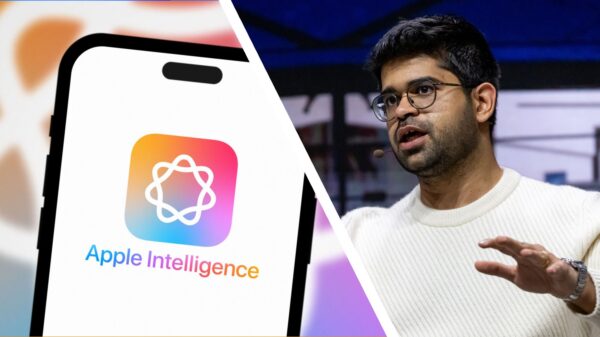
Aravind Srinivas, CEO of Perplexity AI, recently addressed the evolving role of artificial intelligence (AI) in problem-solving, emphasizing the importance of human involvement. In a conversation highlighting the challenges and potentials of AI, Srinivas noted that while technology can offer solutions, it is ultimately human insight that drives meaningful outcomes. This perspective comes at a time when the AI landscape is rapidly shifting, with growing investments and advancements in various sectors.
During an interview, Srinivas articulated that AI systems, including those his company develops, excel at processing vast amounts of data to identify patterns and suggest solutions. However, he underscored that these systems lack the emotional intelligence and contextual understanding inherent to human decision-making. “AI can solve problems, but humans need to be at the center of the decision-making process,” Srinivas stated. This assertion reflects a growing consensus among experts that collaboration between humans and machines is crucial for maximizing the benefits of AI technologies.
The conversation also touched on the ethical implications of AI deployment. As organizations increasingly rely on AI for critical decisions, the risks of bias and misinformation become more pronounced. “We need to ensure that AI tools are transparent and accountable,” Srinivas cautioned, highlighting the responsibility that developers and users share in creating and implementing AI solutions. This responsibility extends beyond technical capabilities to encompass the ethical frameworks guiding AI’s use in society.
Amid the rapid technological advancements, Perplexity AI has positioned itself as a key player in the AI landscape, focusing on enhancing user experiences through intelligent information retrieval. The company aims to bridge the gap between human curiosity and machine efficiency, crafting tools that empower users to obtain the information they seek more intuitively. Srinivas noted that the company is continuously evolving its offerings to meet the changing needs of consumers and businesses alike.
Srinivas also reflected on the competitive landscape of AI, where startups and established tech giants vie for dominance. Companies like OpenAI and Google have made headlines with their groundbreaking innovations, while newer entrants seek to carve out niche markets. “Innovation in AI is not just about building faster algorithms; it’s about understanding user needs and societal impact,” he remarked, highlighting the necessity for a balanced approach to technology development.
Moreover, the recent surge in investment in AI technologies underscores the sector’s potential, with venture capital flowing into startups that promise innovative solutions. As companies explore applications ranging from healthcare to finance, the excitement surrounding AI is tempered by caution regarding its integration into everyday life. Srinivas pointed out that as the technology matures, it is essential to focus on scalable and sustainable solutions that align with societal values and needs.
Looking forward, Srinivas expressed optimism about the future of AI, particularly regarding its capability to enhance productivity and drive positive change across multiple industries. He envisions a collaborative future where humans and AI systems work together more harmoniously, leveraging each other’s strengths to address complex challenges. “The future of AI is bright, but it requires a conscious effort to ensure that technology serves humanity,” he concluded, reinforcing the notion that the synergy between human intelligence and artificial capabilities will shape the trajectory of innovation.
As the dialogue surrounding AI continues to evolve, the insights of leaders like Aravind Srinivas will be crucial in guiding the development of technologies that not only solve problems but also uphold ethical standards and promote human welfare. The intersection of technology and humanity remains a vital area of focus as the industry progresses, ensuring that advancements in AI are both revolutionary and responsible.
See also Instagram’s Mosseri Calls for Urgent AI Verification Standards Amid Eroding Trust
 AI Boom: Is the $1 Trillion Spending Surge a Recipe for Market Collapse?
 Akakū Announces AI Workshop on Jan. 24 Featuring Suno, Midjourney, and ElevenLabs
 Urgent AI Safety Risks Emerge as Breakthroughs Accelerate, Warns UK Research Director
 Jayant Chaudhary Urges SPA Graduates to Fuse AI, Ethics, and Creativity for Nation-Building