Shane Legg, co-founder and chief AGI scientist at Google DeepMind, has announced a significant hiring initiative through a recent post on X, formerly known as Twitter. Legg highlighted that artificial general intelligence (AGI) is approaching and could result in profound transformations within global economies. He is actively seeking a senior economist to lead investigations into the potential economic impacts post-AGI. “AGI is now on the horizon and it will deeply transform many things, including the economy,” he stated, emphasizing the urgency of understanding these changes.
The job posting, which includes a link for interested candidates, outlines a range of responsibilities for the new role. Legg specified that the successful applicant will report directly to him and will be tasked with guiding a research team focused on the economics of a post-AGI world. Among the key responsibilities are leading the research vision for this workstream, designing economic simulations and models, and conducting foundational research on AGI’s long-term economic effects.
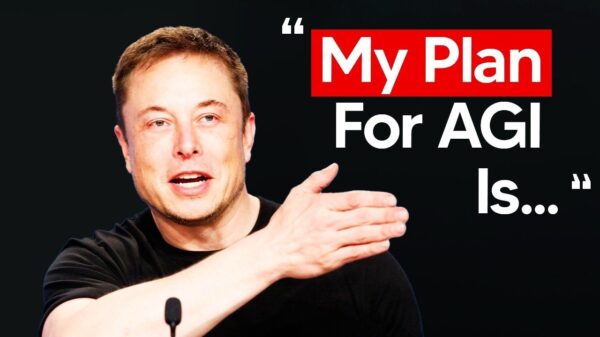
Legg’s announcement garnered attention from several prominent figures, including Elon Musk, CEO of Tesla and SpaceX. Musk responded with a suggestion for Legg to utilize his AI chatbot, Grok, developed by his company xAI. Musk’s comment reflects the growing interest in AI applications and their potential to shape various sectors.
The notion that AGI could redefine economic structures has been a topic of discussion among experts. Legg’s approach indicates a proactive stance in examining how concepts of scarcity, wealth, and distribution might evolve in a world where AGI is a central player. The job listing points out that the new economist will be expected to engage with external experts and institutions to enrich the research capacity and bring diverse perspectives to the team’s work.
As AI technologies advance, the implications for the job market and economic landscape are becoming increasingly critical. The role of economists in understanding and predicting these changes may become pivotal, particularly as companies like Google DeepMind push the boundaries of what AI can achieve. Legg’s initiative underscores a recognition that economic frameworks must adapt to the realities of AGI, which could challenge existing assumptions about resources and value creation.
The responsibilities outlined in the job posting also emphasize the importance of safety and ethics in AI research. Google DeepMind is committed to using its technologies for widespread public benefit and scientific discovery. This focus resonates with broader concerns within the tech community regarding the ethical deployment of AI systems and their potential consequences on society.
As the race to develop AGI intensifies, the demand for specialists capable of navigating the complexities of economic theories in this new context is likely to grow. The search for a senior economist at Google DeepMind is a clear indication that the organization is prioritizing not just technological advancements but also the socio-economic ramifications of these innovations.
Looking forward, the integration of AGI into economic models could fundamentally alter how industries operate, potentially leading to breakthroughs in productivity and efficiency, while also raising questions about job displacement and wealth inequality. The economic implications of AGI are vast, and the upcoming research spearheaded by Legg’s team may provide important insights into mitigating negative outcomes while maximizing societal benefits.
See also Timur Bekmambetov: AI Must Learn from Humanity’s Best in Groundbreaking Film “Mercy”
 Alphabet’s AI Surge: Analysts Boost Targets as Waymo Expands in Competitive Market
 Meta Bans Teen Access to AI Characters Amid Safety Concerns, Prioritizes Parental Controls
 Baidu’s Robin Li Forecasts AI Revolution: Strategic Shifts for 2025 and Beyond
 Unlock AI Success: Key Criteria for Choosing a Top-Tier Visibility Agency Today