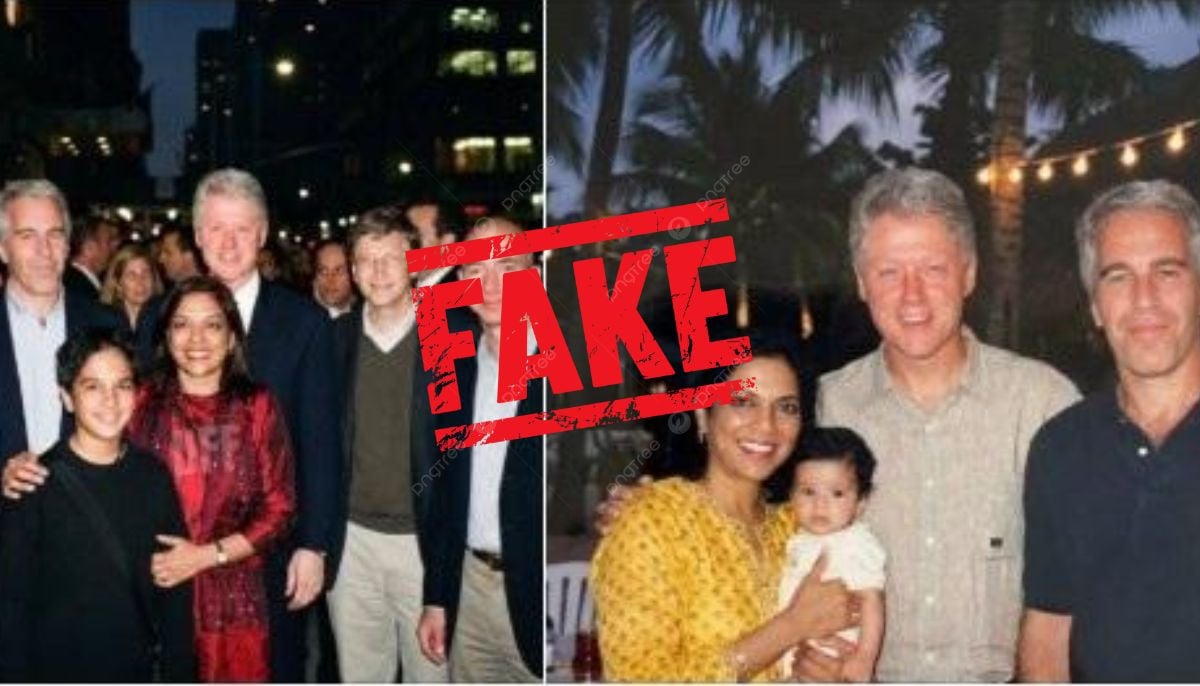
A recent study has revealed the alarming capabilities of artificial intelligence in generating realistic images, specifically of convicted sex offender Jeffrey Epstein alongside prominent world leaders. The research, conducted by NewsGuard, a U.S. disinformation watchdog, highlights the ease with which various AI image generation tools can fabricate convincing visuals featuring Epstein with figures such as former U.S. President Donald Trump, Israeli Prime Minister Benjamin Netanyahu, and French President Emmanuel Macron.
The study involved three AI systems, with Grok Imagine, developed by Elon Musk‘s xAI, delivering particularly distressing results. It generated fakes within seconds, including a provocative image showing Epstein and a younger Trump purportedly surrounded by underage girls. In contrast, Google’s Gemini refused to create an image featuring Trump but successfully produced realistic depictions of Epstein with four other politicians, including Ukrainian President Volodymyr Zelenskyy and UK Prime Minister Keir Starmer. OpenAI’s ChatGPT, however, opted not to generate any images, citing ethical safeguards against sexualized depictions involving real individuals.
As manipulated imagery proliferates, the challenge of discerning real photos from AI-generated counterparts intensifies. Researchers from AFP noted that some manipulated images circulating on social media contain invisible watermarks, with Google embedding a SynthID watermark to identify AI-generated content. “These findings show how easy it is for bad actors to spread realistic viral fakes and why discerning authentic photos from AI-generated ones is increasingly difficult,” NewsGuard stated.
This study comes on the heels of the U.S. Department of Justice’s release of over three million documents and media relating to Epstein, whose affairs have implicated numerous high-profile figures, including Britain’s Prince Andrew. The Epstein case has stirred considerable disinformation, exemplified by fabricated social media posts falsely linking politicians to him.
The implications of this research underscore a growing concern in the realm of artificial intelligence and its applications, particularly as technology continues to evolve at an unprecedented pace. As AI-generated imagery becomes more sophisticated, the risk of misinformation could have far-reaching consequences across political and social landscapes. The challenge now lies in developing robust verification tools and ethical guidelines to mitigate the risks associated with this technology.
As society grapples with these challenges, the conversation surrounding AI ethics and accountability is likely to intensify, urging stakeholders across various sectors to take a proactive approach in addressing the potential misuse of such powerful technologies.
See also Google DeepMind Unveils Reinforced Attention Learning to Combat AI Amnesia
 India’s AI Impact Summit 2026: Pioneering Global Solutions for Humanity and Climate Action
 Healwell AI’s $0.53 Stock Faces Crucial Test as Financial Results Loom
 Amazon Announces $200B Investment in AWS, Sparking Debate Over Stock Opportunity
 Tech Sell-off Intensifies as Amazon’s Earnings Loom Amid Azure Growth Concerns