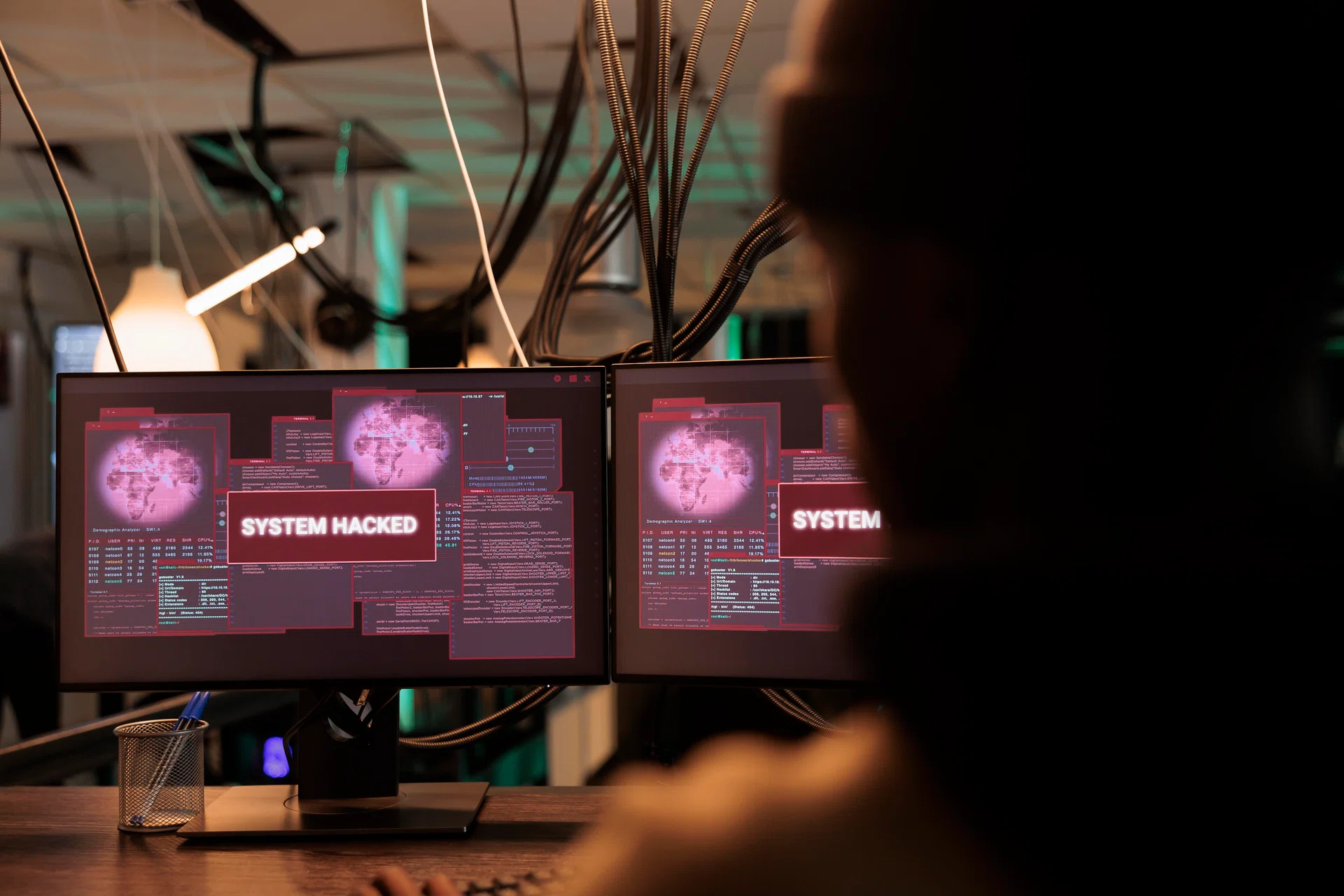
SINGAPORE — Reuben Koh, a cybersecurity expert, has identified a troubling trend: artificial intelligence (AI) is beginning to transform the landscape of cyberattacks. “We know that AI agents are being utilised in this manner because no human would do it that way,” he stated in an interview with Tech in Asia.
Historically, coordinated cyberattacks have been slow and methodical, typically unfolding over days or even weeks. Attackers would secure initial access to a network and then carefully navigate through it, employing stealth tactics to remain undetected. This traditional approach has changed dramatically as AI technologies are increasingly leveraged to enhance the efficiency and effectiveness of attacks.
Koh points out that the patterns exhibited by AI-driven cyberattacks can be distinctly recognized. Unlike human attackers, who often follow predictable paths, AI operates with a different logic that can lead to unpredictable strategies. This divergence in behavior complicates detection and response efforts for cybersecurity professionals.
As AI tools become more accessible, the potential for their misuse grows. Cybercriminals are exploiting these technologies to automate tasks that would traditionally require human intervention, escalating the speed and scale of attacks. This automation allows bad actors to launch more sophisticated campaigns while evading traditional security measures.
Experts warn that this shift could lead to a new era of cyber warfare, where the line between human and machine involvement blurs. The implications for businesses, governments, and individuals are alarming, as the rise of AI in this domain could make existing defenses obsolete.
In response to these challenges, cybersecurity firms are ramping up their efforts to develop more advanced detection systems capable of identifying the unique signatures of AI-generated attacks. This includes the integration of machine learning algorithms designed to recognize abnormal patterns indicative of AI-driven intrusions.
The rapid pace of technological advancement poses a daunting challenge for cybersecurity professionals. As AI continues to evolve, so too will the tactics employed by cybercriminals. This arms race between offensive and defensive technologies underscores the urgent need for organizations to enhance their cybersecurity strategies.
Looking ahead, the landscape of cyberattacks influenced by AI will likely continue to transform. Companies and individuals must remain vigilant and adaptive to counter the evolving threats posed by this new breed of cyber adversaries. The future of cybersecurity will depend significantly on the ability to harness the very technologies that are currently being used against it.
See also UAE Foils AI-Driven Terrorist Cyber Attacks Targeting Key Infrastructure
 AI-Driven Cyberattacks Surge to 3,195 Weekly in India, Targeting Education Sector Most
 Google Reveals How Hackers Exploit AI Tools Like Gemini for Advanced Cyberattacks
 Anthropic Launches Claude Code Security, Uncovering 500 Vulnerabilities and Shaking Cybersecurity Stocks
 Anthropic Launches Claude Code Security Tool, Threatening Legacy Cybersecurity Firms