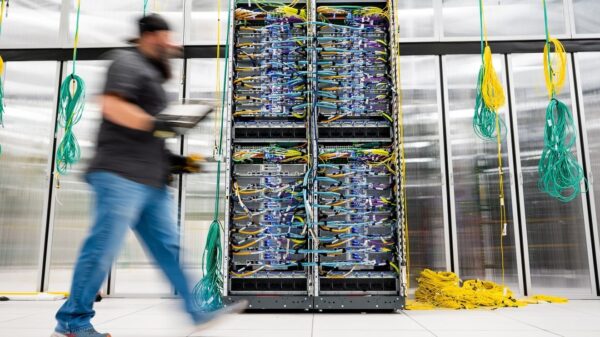
Meta Platforms has signed a deal to rent Google‘s artificial intelligence chips, known as Tensor Processing Units (TPUs), as the social media giant accelerates its efforts in machine learning and AI-driven applications. The agreement marks a significant shift for Meta, which has been investing heavily in AI technologies to enhance its services and compete with rivals in the growing AI landscape. The specifics of the deal, including financial terms, were not disclosed.
This collaboration comes at a time when AI technologies are increasingly becoming essential for tech companies seeking to innovate and stay ahead in the digital space. By utilizing Google’s TPUs, Meta aims to bolster its capabilities in processing large-scale machine learning models, a crucial factor in enhancing user experience across its platforms, including Facebook, Instagram, and WhatsApp.
Meta’s decision to lease TPUs from Google also reflects a broader trend within the industry, where companies are exploring partnerships to access advanced technologies without the burden of substantial upfront investments in hardware. This approach allows firms to focus their resources on software development and innovation, thus accelerating their time to market.
The impetus behind this partnership can be traced to the escalating competition among major tech players, including Microsoft and Amazon, who are also investing in AI to enhance their offerings. Both companies have made significant advancements in AI capabilities, prompting Meta to enhance its own technological infrastructure to maintain its competitive edge.
In recent months, Meta has ramped up its AI initiatives, highlighting the importance of machine learning in its future growth strategy. The company has publicly stated its commitment to integrating AI more deeply into its products, with CEO Mark Zuckerberg emphasizing the transformative potential of AI for both user engagement and advertising effectiveness.
As part of its AI strategy, Meta has also been working to develop its own models, but the collaboration with Google allows it to leverage existing technology while continuing to innovate. This dual approach could provide Meta with the agility needed to respond to market demands swiftly.
The implications of this partnership extend beyond immediate technological benefits. By aligning itself with Google, Meta may also gain insights into Google’s advancements and research in AI, fostering a collaborative environment that could lead to further innovations in the field.
Industry analysts suggest that this move could signal a potential shift in how tech companies manage their AI resources, especially as the demand for powerful computing resources continues to surge. The collaboration reflects an evolving landscape where shared technology resources can lead to enhanced capabilities and reduced operational costs.
Looking ahead, the partnership between Meta and Google may pave the way for more integrated AI solutions across Meta’s platforms. This could lead to improved personalization, content delivery, and user engagement, which are critical for the company’s ongoing success in a rapidly changing digital environment.
In summary, Meta’s decision to rent Google’s TPUs underscores the increasing importance of AI in the tech industry and highlights the need for companies to adopt flexible strategies to remain competitive. As AI technologies continue to evolve, collaborations such as this one will likely play a pivotal role in shaping the future of digital services.
See also Jack Dorsey Cuts 40% of Block Workforce, Plans to Hire Senior AI Engineers
 Deepak Venkateshappa Transforms Enterprise Decision Systems with AI-Driven Data Platforms
 GSMA Marks 20 Years of MWC Barcelona with 2026 Focus on AI Innovations and Applications
 Dell Announces $64 Billion in AI Revenue as Demand Surges Amid Supply Constraints