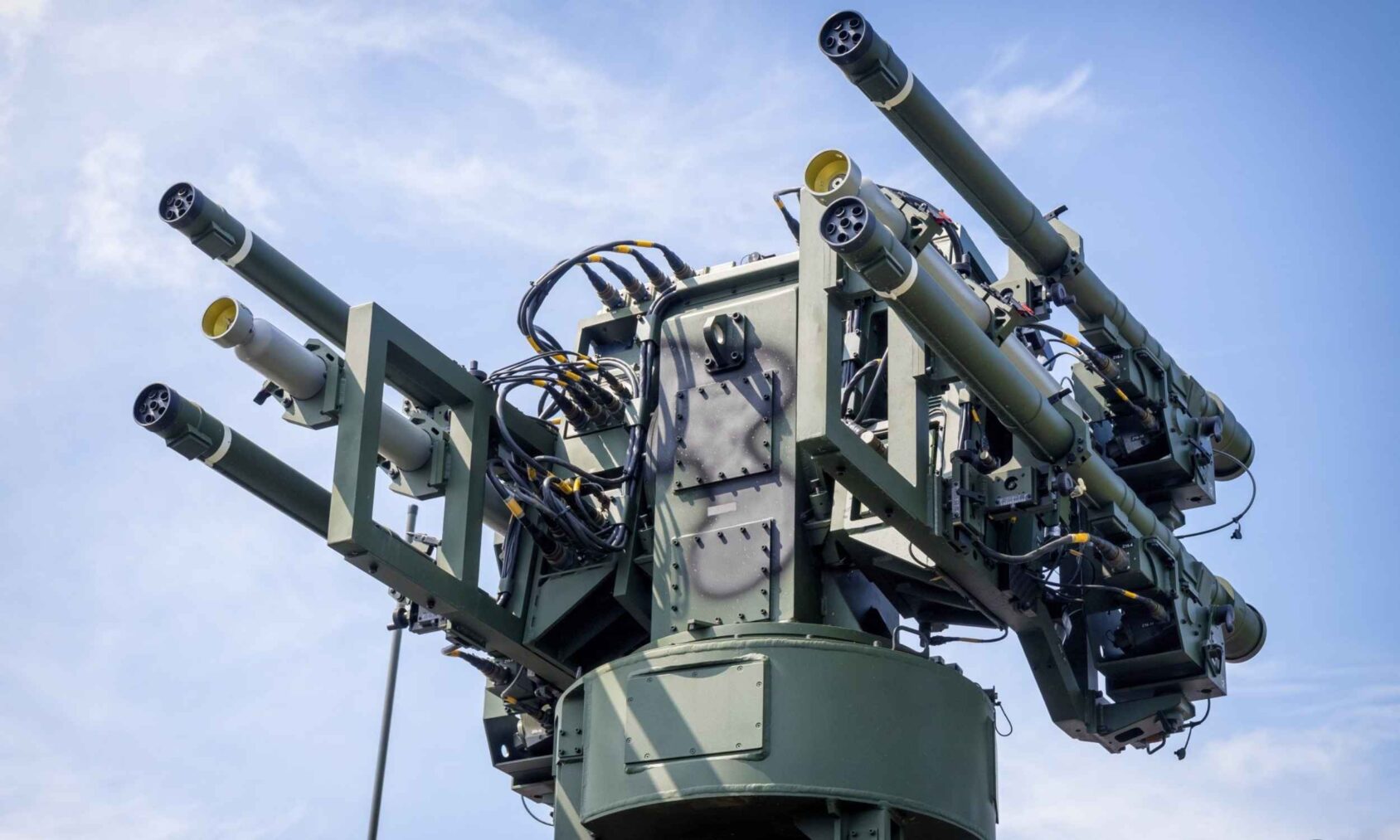
As winter envelops Ukraine, the night air is punctuated not by the howling wind but by the wail of air raid sirens and the echo of distant explosions. Russian forces have intensified their assaults, launching hundreds of drones and missiles each night, primarily targeting power and heating plants vital for maintaining warmth and light in homes. For millions, the intertwined crises of climate and security have become a shared narrative of survival.
In response, Kyiv is preparing to implement a nationwide air defense system powered by artificial intelligence, designed to predict incoming attacks and deploy swarms of low-cost interceptors to neutralize threats. This initiative raises a crucial question: how will it affect the daily lives of citizens struggling to keep their homes heated and their electric bills manageable?
Mykhailo Fedorov, Ukraine’s Minister of Digital Transformation, emphasized a strategic approach: “We have a clear plan about how to stop Russia in our skies,” which revolves around a secure AI platform dubbed the Dataroom. Developed in collaboration with the U.S. software company Palantir Technologies and the state-supported Brave1 tech cluster, the system will utilize algorithms trained on years of battlefield imagery and sensor data to forecast Russian strikes and direct autonomous interceptors.
Such a transformation is urgently needed. Ongoing attacks have devastated power plants and heating stations, leaving thousands of apartment buildings in Kyiv, Odesa, and Dnipro without electricity, running water, or central heating during frigid temperatures. In some instances, Russian forces have launched nearly a thousand drones and missiles in a single barrage, overwhelming Ukraine’s existing defenses and forcing families to seek refuge in crowded warming centers.
Humanitarian organizations caution that weaponizing winter carries enduring environmental ramifications alongside immediate human costs. Early in the conflict, concentrated strikes severely damaged approximately 40% of Ukraine’s electricity generation and transmission capacity, leading to widespread blackouts and increased pollution risks. Recent assessments reveal that residents are increasingly reliant on gas burners, diesel generators, and makeshift heating solutions within cramped apartments, elevating both fire risks and indoor air quality concerns.
How an AI Shield Could Work
The new air defense system hinges on three critical concepts: prediction, to enable AI to identify attack patterns in real time; speed, allowing interceptors to respond faster than human operators; and cost, so that the expense of neutralizing a drone is significantly lower than that of the attack itself. The Dataroom will analyze millions of images and telemetry data gathered over four years of conflict, creating models that will guide small, domestically-produced interceptors, including a platform known as Octopus. This interceptor is designed to carry electro-optical, infrared, or thermal sensors capable of recognizing incoming Shahed-type drones. Officials report that each Octopus costs only a few thousand dollars and has a range of nearly 200 kilometers, making it effective against far pricier threats.
For Ukrainian engineers, this cost differential is crucial. Andrii Hrytseniuk, head of the Brave1 cluster, articulated the strategy as “trading pawns for rooks,” emphasizing that inexpensive defensive drones can repeatedly counter costly attackers. “It is not about us winning, but about becoming unconquerable,” he stated, underscoring a shift in Ukraine’s industrial capabilities. When Russia escalated its invasion, Ukraine had only a handful of small drone manufacturers; now, that number has ballooned to around 500. Collectively, these producers are expected to assemble millions of aerial drones annually, with hundreds of other firms focused on developing autonomous ground robots for the front lines. Estimates suggest that nearly 90% of Ukrainian military operations now involve drones, showcasing the profound transformation of the battlefield.
However, the environmental implications of this conflict are stark. Warfare has emerged as the largest single source of Ukraine’s emissions since the onset of full-scale invasion, with approximately 230 million tons of carbon dioxide equivalent released in the first three years. Attacks on energy infrastructure alone accounted for nearly 8% of war-related emissions, with contributing factors including smoke from burning fuel depots and the reconstruction of destroyed power lines. Each drone that successfully strikes a thermal power plant or transformer yard plunges families into darkness while exacerbating Ukraine’s long-term carbon footprint.
While AI-guided interceptors cannot be deemed a comprehensive climate solution, their capacity to protect power stations, district heating facilities, and even solar farms from repeated attacks can mitigate the most detrimental pollution spikes associated with large-scale assaults. European analysts suggest that Ukraine’s long-term recovery plan already integrates energy security with the transition to a greener, more efficient grid. Preserving existing infrastructure may reduce waste during reconstruction, as maintaining operational power plants means fewer facilities to rebuild, thus lessening the environmental impact.
For residents in Kyiv, who are wrapping windows in plastic, lining up for public charging stations, or bracing for the next rolling blackout, discussions about AI algorithms may seem distant. Yet, the effectiveness of this technology in the months ahead will play a pivotal role in determining whether future winters will resonate with the noise of diesel generators or embrace a quieter, more resilient energy network reliant on renewable sources. Consequently, Ukraine’s integration of artificial intelligence into its air defenses transcends military advantage; it also aims to safeguard the essential systems that underpin low-carbon living, even amid the chaos of war.
See also Power Demand for AI Surges to 327 Gigawatts by 2030; NextEra Energy and Credo Technology Poised for Growth
 Nigeria’s Education System Fails to Prepare Graduates for AI-Driven Workforce
 AI’s Expansion in Workplaces Raises Concerns Over Human Connection and Job Roles
 Halo Stocks Propel UK and EU Markets to Record Highs, Outperforming AI-Heavy Firms