As the demand for artificial intelligence (AI) applications surges, investors are increasingly looking to capitalize on the infrastructure that supports this growth. Chipmakers such as Nvidia and Broadcom, along with Taiwan Semiconductor Manufacturing, are among the key players attracting attention. However, the power requirements for running these AI applications are becoming an equally crucial consideration.
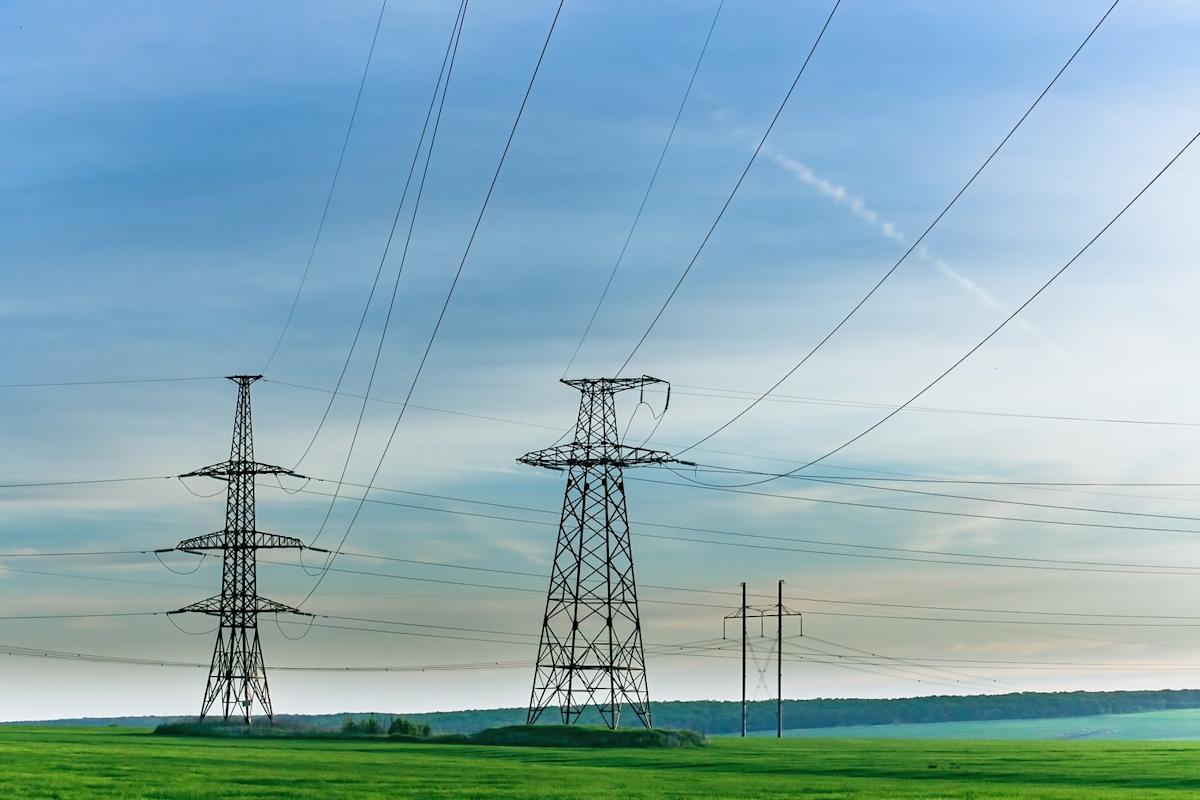
According to a report from Rand Corp., global AI data center power demand is projected to reach 68 gigawatts by next year and escalate to 327 gigawatts by 2030. This significant energy consumption highlights the importance of investing in companies that specialize in electricity supply, cabling, space, and cooling technologies, which are essential for the functioning of AI data centers.
The question of whether AI will create the world’s first trillionaire has been raised, particularly with the emergence of lesser-known companies dubbed “Indispensable Monopolies” that provide critical technology needed by industry giants like Nvidia and Intel. Among the companies positioned to benefit from the increasing demand for data center power are NextEra Energy and Credo Technology.
NextEra Energy, based in Florida, operates the largest utility company in the U.S., Florida Power & Light, serving over 12 million customers. While it may not be the first name that comes to mind in AI, the company is strategically positioned for significant growth. Its NextEra Energy Resources segment acts as a wholesale generator of electric power and is collaborating with major tech firms to supply energy for AI data centers. In December, NextEra announced a deal with Alphabet‘s Google Cloud to construct and power multiple AI data centers, further enhancing its role in this rapidly expanding market.
NextEra is also increasing its investments in gas-fired power plants, aiming to deliver an additional 15 gigawatts of power to data centers by 2035, with 6 gigawatts sourced from gas. During a recent earnings call, CEO John Ketchum expressed high expectations: “I’ll be disappointed if we don’t double our goal and deliver at least 30 gigawatts through this channel.”
In its latest financial report, NextEra reported a net income of $2.97 billion for the full year, up from $2.3 billion the previous year, with earnings per share climbing to $1.44 from $1.12. Management anticipates compound annual growth of at least 8% through 2032 and a 10% dividend growth for 2026, gradually slowing to 6% through 2028.
Power isn’t the only critical requirement for data centers; efficient wiring is also essential for optimal performance. Here, Credo Technology emerges as a notable contender, providing high-speed data connectivity in data centers and 5G products. The company’s Active Electrical Cables (AECs) employ signal processors to facilitate faster and more efficient data transfers between chips and switches, outperforming traditional copper wiring by reducing signal degradation and power consumption.
Credo recently secured a partnership with TensorWave, an AI cloud provider collaborating exclusively with chipmaker Advanced Micro Devices, to integrate its AECs into TensorWave’s next-generation AI cluster infrastructure. In its latest earnings report for the second quarter of fiscal 2026, Credo revealed a revenue of $268 million, marking a 272% increase year-over-year, alongside a net income of $82.6 million compared to a loss of $4.2 million in the prior year. The company has guided expected revenue for the fiscal third quarter to range between $335 million and $345 million.
NextEra Energy stands as a regulated utility with a steady growth trajectory and dividends, whereas Credo Technology offers innovative products essential for ensuring efficient connectivity among GPUs. If Rand Corp.’s projections for AI data center demand come to fruition, both companies represent strategic investment avenues for those looking to diversify within the AI sector, without directly investing in chip manufacturers.
Investors considering stock in Credo Technology Group should note that it was not included in a recent list of the 10 best stocks identified by Stock Advisor analysts, which may raise questions about its investment potential. Historically, companies like Netflix and Nvidia have yielded substantial returns for early investors, with returns of 519,015% and 1,086,211%, respectively, since their respective recommendations.
Patrick Sanders has positions in Nvidia, while The Motley Fool is invested in and recommends several companies including Advanced Micro Devices, Alphabet, NextEra Energy, Nvidia, and Taiwan Semiconductor Manufacturing. The Motley Fool also recommends Broadcom. Such dynamics in the AI infrastructure landscape suggest that the focus may increasingly shift from chip innovation to the underlying energy and connectivity needs that enable AI’s growth.
See also Nigeria’s Education System Fails to Prepare Graduates for AI-Driven Workforce
 AI’s Expansion in Workplaces Raises Concerns Over Human Connection and Job Roles
 Halo Stocks Propel UK and EU Markets to Record Highs, Outperforming AI-Heavy Firms
 AI Communication Shifts: Intent Engineering Evolves Beyond Prompt Techniques