






















































Telecom companies are at a pivotal moment as artificial intelligence (AI) reshapes the economics of network management. With the industry facing a critical decision—either harness software-driven data infrastructure for new revenue streams or risk obsolescence during the next platform shift—service providers must adapt quickly to capitalize on these emerging opportunities.
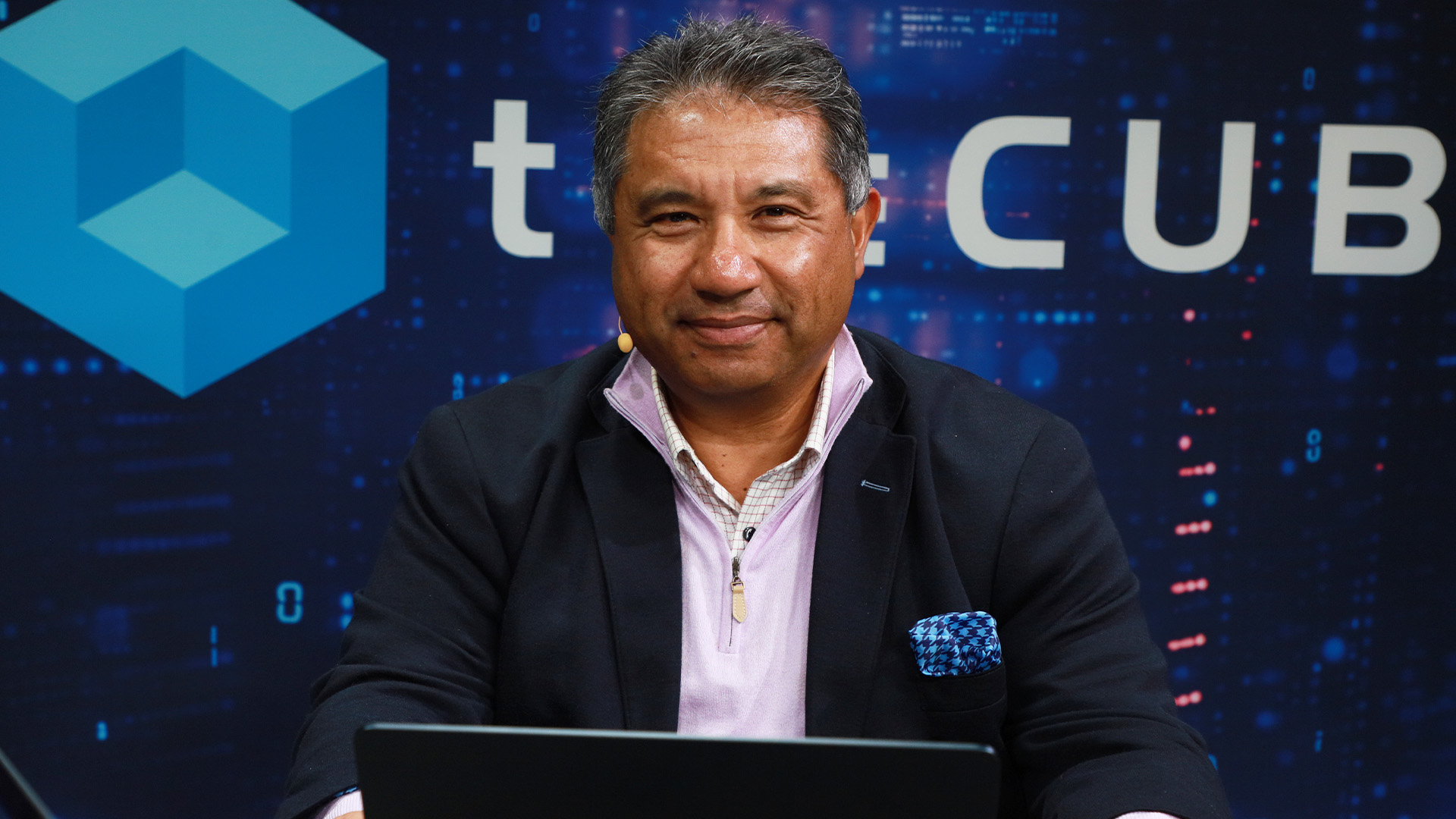
According to Zeus Kerravala, founder and principal analyst at ZK Research LLC, telecom operators have historically focused on minimizing costs during transitions but often fall short in capturing higher-margin value, especially as cloud and software-as-a-service ecosystems have evolved. However, the current shift toward AI-enabled, software-defined data infrastructure presents a chance to alter this trend. “I don’t think there’s any question that AI is going to help [telco companies] lower their operational costs. I think agentic ops is coming, and that’s going to make them a lot more efficient,” Kerravala stated during an interview at MWC Barcelona.
Kerravala emphasized the need for telecom operators to leverage existing modern data infrastructure rather than embark on costly rebuilds, as was the case in previous transitions that required entirely new physical networks. The current architectures allow for software-based upgrades, enabling a more rapid innovation cycle if service providers can effectively execute their strategies. “If you’ve got to build a whole new network to go do something, well, that’s going to take you a long time,” he noted, adding that partnerships with hyperscalers and advancements in software models should facilitate faster progress.
Despite these advancements, skepticism remains in the market regarding the actualization of telecom monetization. Kerravala pointed out that investors are increasingly demanding tangible evidence that the promised infrastructure refresh cycles will lead to measurable growth. “I think Wall Street’s now saying, ‘Prove it to me. You’ve talked a lot about how infrastructure spend is coming or refresh is coming in; now prove it to me,’” he remarked, underscoring the widening gap between ambition and execution.
This call for accountability comes as the industry grapples with the challenges of demonstrating return on investment in a landscape that is evolving rapidly. While AI promises to improve operational efficiencies, the broader question remains: Can telecom companies elevate their value propositions to carve out new revenue sources? The ongoing convergence of AI, networking, and data infrastructure stands to reshape enterprise architecture significantly, affecting everything from core operations to edge computing.
As telecom operators look to navigate this inflection point, the stakes are high. The potential for AI to drive efficiencies and unlock new revenue avenues is substantial, but the execution must be precise to avoid falling behind. The dialogue at events like MWC Barcelona serves as a platform for industry leaders to explore these crucial questions as they chart their paths forward in an increasingly complex technological environment.
While the future remains uncertain, the integration of AI into telecom networks could usher in a new era of profitability and innovation, provided that operators can meet the expectations of both investors and consumers alike.
Here’s the complete video interview with Kerravala, part of SiliconANGLE’s and theCUBE’s coverage of MWC Barcelona:
(* Disclosure: TheCUBE is a paid media partner for MWC Barcelona. Sponsors of theCUBE’s event coverage do not have editorial control over content on theCUBE or SiliconANGLE.)
About SiliconANGLE Media
SiliconANGLE Media is a recognized leader in digital media innovation, uniting breakthrough technology, strategic insights, and real-time audience engagement. Founded by tech visionaries John Furrier and Dave Vellante, SiliconANGLE Media has built an ecosystem of digital media brands that reach over 15 million tech professionals.
See also OpenAI Faces Backlash as ‘QuitGPT’ Protest Draws 50 Against Pentagon Partnership
 AI Companions Surge in Popularity, Yet Pose Serious Psychological Risks for Users
 Meta Faces Backlash as Workers Review Disturbing Footage from Ray-Ban Smart Glasses
 Samsung Integrates Perplexity AI into Galaxy Devices for Enhanced User Experience
 Nvidia Stops Investments in OpenAI, Anthropic Amid Strategic Shift in AI Services















