
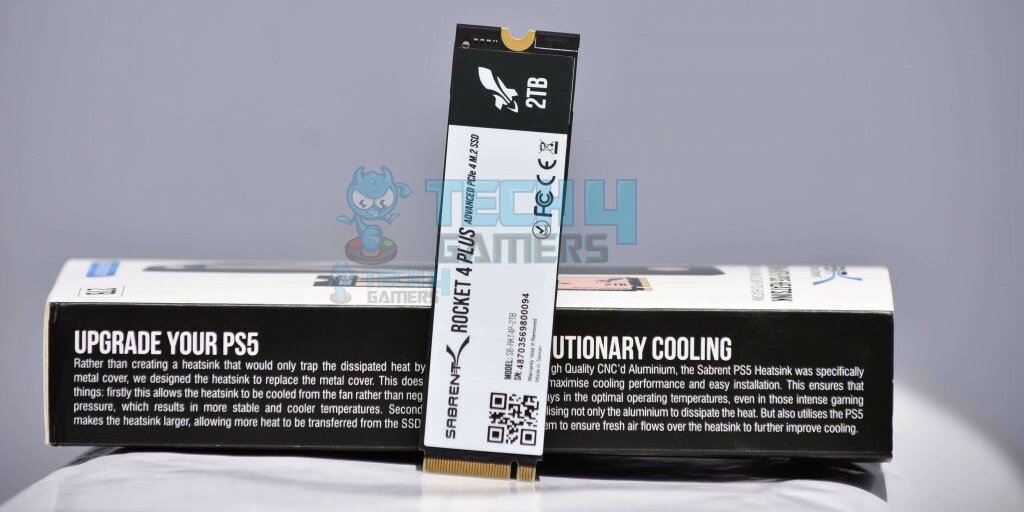
As the technology sector buzzes with excitement over artificial intelligence, consumer storage products are adopting the “AI-Optimized” label, leading to confusion among buyers. Many consumers encountering these drives at electronics retailers may not realize that the term is largely a marketing strategy rather than a technical specification. Typically, these so-called AI-Optimized solid-state drives (SSDs) feature firmware designed for write performance, which can hinder reading capabilities essential for daily computing tasks, particularly gaming. Consequently, the premium price tag attached to these drives does not reflect significant improvements for the average user.
Insights from industry experts reveal that genuine advancements in AI storage are found in enterprise data centers, where systems cost significantly more than consumer-grade products. The reality is that the SSDs marketed to consumers as AI-optimized are often nothing more than standard drives with an appealing label. For the vast majority of users—especially gamers—a high-end consumer SSD will still deliver superior performance at a lower cost.
Understanding how SSDs operate is essential to grasping the marketing misrepresentations surrounding “AI-Optimized” drives. Most consumer SSDs are configured for read-heavy workloads, which is appropriate for everyday tasks such as booting up computers, launching applications, and retrieving documents. In contrast, these AI-optimized drives prioritize sustained writes, a configuration suited for enterprise applications like AI dataset training. This discrepancy means that while an SSD optimized for AI workloads might excel in a data center, it could degrade random read performance, a critical factor for gamers who rely on rapid access to game assets.
For example, leading gaming titles demand quick random reads to load textures and other data efficiently. When manufacturers tune their drives to favor writes, they inadvertently compromise the very performance metrics that gamers value. Further complicating matters, aggressive write optimization can lead to accelerated wear on the NAND flash memory, ultimately shortening the drive’s lifespan without offering tangible benefits for consumer use.
True AI-focused storage solutions exist, but they are designed for specialized applications and are not available off-the-shelf for consumers. Companies like Micron have developed advanced SSDs, such as the **9550 SSD**, which is optimized for high-speed data transfers in AI environments, boasting sequential read speeds of 14.0 GBps. Such technology supports demanding applications found in data centers but is far removed from consumer needs. The SSDs found in retail outlets, often sold at a discount, fail to incorporate the sophisticated features necessary for AI workloads.
Interestingly, market research indicates that the global AI storage SSD market was valued at just **$164 million** in 2024—an insignificant fraction compared to the overall SSD market. Despite this, the term “AI-Optimized” has proliferated on countless consumer drives, effectively diluting its significance and misleading potential buyers. This marketing strategy has sparked a notable shift in production focus within major memory manufacturers. For instance, Micron recently announced its decision to withdraw its consumer brand **Crucial** from the market, reallocating resources towards higher-margin enterprise products designed to meet the needs of AI data centers.
This shift suggests that the AI-Optimized SSD offerings currently on the market may be a final push from a segment of the industry now prioritizing more lucrative enterprise solutions. As production capacities pivot toward these high-margin items, consumers may face rising prices and a diminishing selection of traditional SSDs. Those seeking reliability and performance in everyday computing tasks should consider alternatives that have proven effective.
For most users, the best option is to invest in high-end consumer SSDs that excel in random read performance, which is crucial for gaming and general computing. Drives featuring **Phison** or **Silicon Motion controllers** and using **TLC NAND** provide a good balance between speed and endurance. While QLC NAND may suffice for pure storage solutions, it is generally advisable to avoid it for operating system drives. With the ongoing AI boom reshaping the industry, consumers should remain vigilant and skeptical of marketing claims, focusing instead on technical specifications that genuinely contribute to improved performance.
See also TTEC Digital Achieves Google Cloud Expertise in Customer Engagement and Data Analytics
 Agencies Merge Paid and Organic Search Strategies to Tackle AI Search Era Challenges
 Martech Outlook Enhances User Experience with New Cookie Policy and Personalized Content
 Google AI Cites Itself 17% of the Time, Shifting Focus to Organic Search Results
 X Tests New Product-Linked Ad Format with Starlink to Boost Revenue Amid 60% Ad Decline