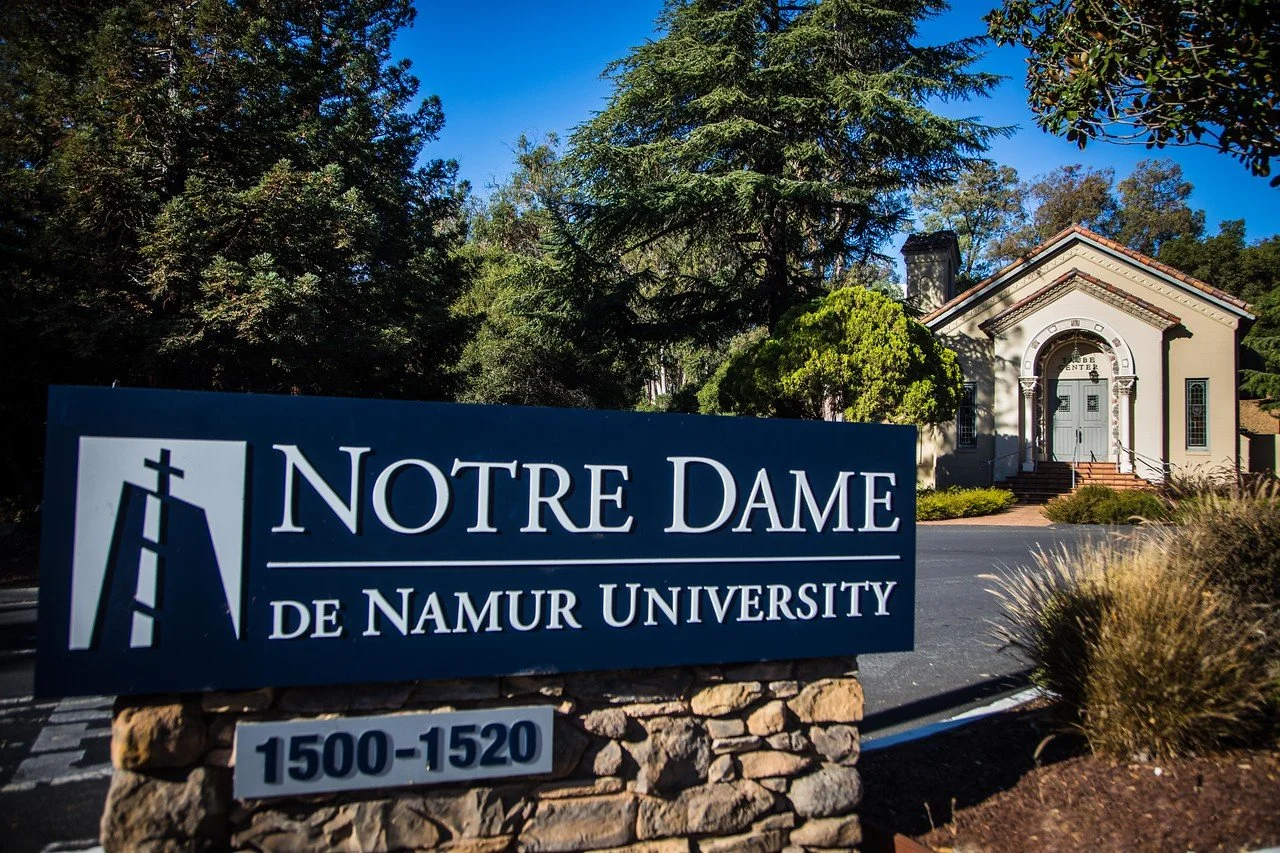
Notre Dame de Namur University (NDNU) has announced a partnership with Edthena and the Center for Reaching & Teaching the Whole Child to integrate video-based coaching and classroom observation tools into its teacher preparation programs. This initiative aims to explore how AI-enabled tools can enhance teacher development and better align training with teaching performance expectations set by California’s credentialing system.
The Edthena VC3 video coaching platform will be introduced across NDNU’s teacher preparation programs, allowing teacher candidates and supervisors to review recorded classroom practices, share feedback, and engage in structured reflection. University leaders emphasized that this program is designed to strengthen supervision, coaching, and reflective practices for teacher candidates, facilitating a more effective training environment.
NDNU plans to utilize the Edthena platform to support observation and coaching, enabling teacher candidates to record their teaching sessions and share the videos with supervisors for constructive feedback. Faculty and supervisors will also employ the platform to guide observation and mentoring while aligning these processes with goals related to culturally responsive and relationship-centered teaching.
Kelly Vaughn, Ph.D., Dean of the School of Education at NDNU, remarked, “I believe Edthena will be a true game changer for how our faculty, university supervisors, cooperating teachers, and teacher candidates engage in meaningful conversations and debriefs.” She noted that the platform assists in analyzing recorded videos, thus creating richer opportunities for teacher growth. Vaughn also highlighted that Edthena supports tighter alignment with California’s teacher performance expectations and enhances collaboration across programs.
Kate Maselli Zimman, a University Supervisor at NDNU, expressed enthusiasm about the potential of Edthena, stating, “Edthena feels like a space where goals, video, and evidence come together intentionally to support student teachers in ways that are transformational, deeply reflective, and rooted in authentic teacher practice.” This alignment with the Teaching Performance Expectations (TPEs) is intended to foster meaningful goal-setting and facilitate student teacher growth.
The initiative is further supported by the Center for Reaching & Teaching the Whole Child, which acts as a research and implementation partner. This collaboration focuses on designing coaching practices that incorporate video tools while emphasizing the social, emotional, and cultural dimensions of teaching. The organization’s Anchor Competencies Framework will guide NDNU in integrating reflective practices, coaching, and educator development into its programs.
Dr. Halley Maza, Director of Learning Innovation and Research at the Center, stated, “At the Center for Reaching & Teaching the Whole Child, we believe technology should deepen human connection, not replace it.” Maza also mentioned that the partnership with NDNU and Edthena embodies this philosophy by combining video-based coaching with a strong focus on the social, emotional, and cultural aspects of teaching and learning. She added, “Grounded in our Anchor Competencies Framework, this work supports teacher candidates in developing the competencies that are essential for effective and equitable teaching.”
Edthena is known for developing tools that foster teacher professional learning through video observation, feedback, and AI-supported coaching workflows. Adam Geller, CEO of Edthena, remarked on NDNU’s vision for training teacher candidates, saying, “Through its high-quality programming and intentional use of technology, the university is providing aspiring teachers with the opportunity to develop the social, emotional, and cultural competencies that are essential for today’s K-12 classrooms.”
This partnership reflects a broader trend in teacher preparation programs, focusing on integrating video observation, coaching cycles, and digital tools to bolster candidate development while maintaining an emphasis on human relationships and reflective practice in teaching. As educational institutions continue to explore innovative methods for teacher training, initiatives like this one may pave the way for more effective and inclusive educational practices.
See also Sir Nick Clegg Joins Efekta Education Group Advisory Board to Enhance Global AI Learning Access
 Aguascalientes Launches AI Lab to Boost STEM Skills for Future Workforce Development
 MIT Launches Interdisciplinary Course Merging AI Chatbots with Anthropology Insights
 Shoprite Foundation Launches Robotics Lab in Mpumalanga for 8,000 Learners’ Digital Skills
 University of Phoenix Scholars Reveal Insights on Generative AI’s Role in Higher Education