A House Homeland Security subcommittee is scheduled to hold a hearing on March 17 at 2 p.m. ET titled “DeepSeek and Unitree Robotics: Examining the National Security Risks of PRC Artificial Intelligence, Robotics, and Autonomous Technologies and Building a Secure U.S. Technology Base.” The session aims to explore the implications of emerging technologies from the People’s Republic of China and the potential risks they pose to national security.
This hearing comes amid growing concerns over technological advancements in AI and robotics, particularly those originating from China. With the rapid progression of these technologies, lawmakers are increasingly scrutinizing how they may impact U.S. security and economic interests. The subcommittee’s focus on both AI and robotics underscores the belief that these sectors are critical to future military and civilian applications.
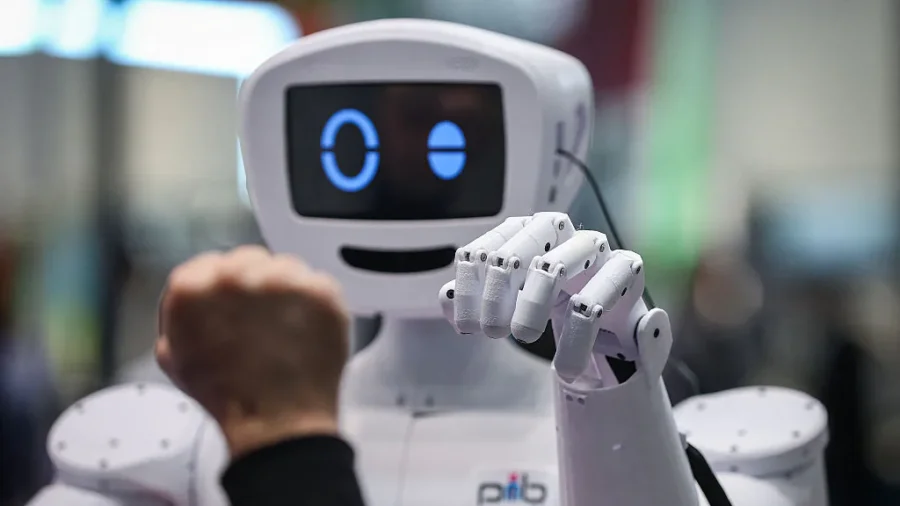
The session will feature testimony from several key witnesses who are well-versed in the intersection of technology and policy. Among them is Max Fenkell, the global head of policy and government relations at Scale AI. His expertise will likely shed light on how AI can be effectively regulated and harnessed to mitigate security risks. Meanwhile, Matthew Malchano, vice president of software at Boston Dynamics, will provide insights into advancements in robotics and their implications for various sectors, including defense.
Michael Robbins, president and CEO of the Association for Uncrewed Vehicle Systems International, is also slated to testify. His organization represents a growing sector of unmanned systems technology, which is increasingly relevant in discussions about both commercial and military applications. Robbins’ perspective will be valuable for understanding how uncrewed systems can be safely and effectively integrated into existing frameworks.
The emphasis on PRC technology in the hearing’s title highlights a broader geopolitical concern. U.S. lawmakers are keen to ensure that American technological innovation does not fall behind that of China, particularly in areas deemed critical for national defense. This has led to calls for stronger protections and investments in domestic technology development.
In recent years, the U.S. has taken significant steps to address these challenges, including increased funding for AI research and development. As part of this strategy, the Department of Defense has been actively exploring partnerships with private companies to advance its technological capabilities. However, the pace of innovation in China has raised alarms, prompting lawmakers to consider more stringent measures to safeguard U.S. interests.
The upcoming hearing will also serve as a platform for discussing best practices in building a secure technology base in the U.S. Stakeholders from various sectors, including academia and industry, are looking for clarity on regulations that would support innovation while maintaining security integrity.
As these discussions unfold, the implications for the future of technology policy in the U.S. could be significant. The hearing not only seeks to address immediate risks but also aims to lay the groundwork for a comprehensive strategy to ensure that American technology remains competitive and secure in the face of growing challenges from abroad. The outcomes of this hearing may influence how the U.S. approaches technological collaboration and regulation moving forward, particularly as the global landscape continues to evolve.
See also VIDRAFT Launches MARL Middleware to Cut LLM Hallucinations, Now on Hugging Face and GitHub
 Zendaya Addresses AI Wedding Photo Controversy While Promoting New Film With Pattinson
 U.S. Appeals Court Allows Perplexity AI’s Comet to Operate on Amazon Amid Legal Battle
 Microsoft Considers Legal Action Against Amazon and OpenAI Over $50B AI Deal
 Microsoft Mulls Legal Action Over $50B Amazon-OpenAI Cloud Deal Amid Rising AI Competition