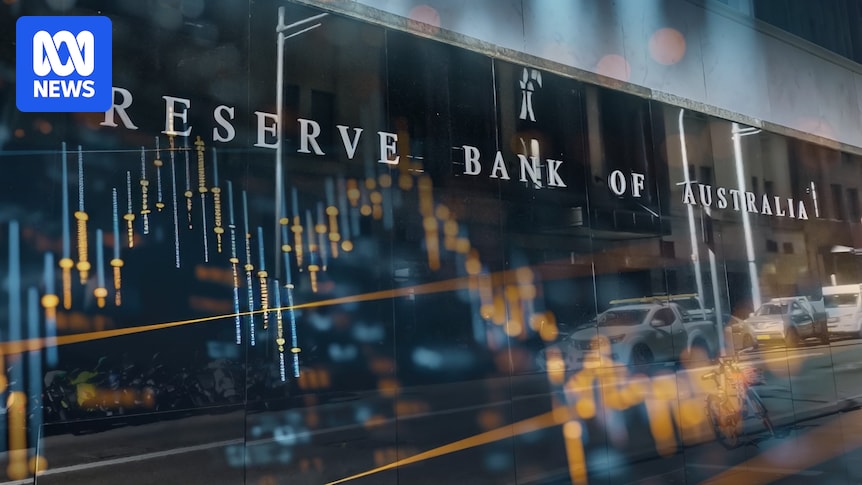
The outbreak of war in the Middle East has escalated risks for the Australian economy, prompting the Reserve Bank of Australia (RBA) to issue a warning in its latest Financial Stability Review published today. The RBA noted that while Australia’s financial system is “resilient,” the potential for geopolitical tensions to cause severe international economic shocks remains a significant concern.
The central bank has already implemented two interest rate hikes this year, asserting that the majority of households are expected to withstand these increases. However, should a major economic downturn occur, the RBA stated that Australian banks are “well positioned to absorb significant loan losses while continuing to support the economy through lending to households and businesses.”
One of the most pressing risks highlighted by the RBA is the possibility of escalating geopolitical tensions leading to broader economic disruptions. The current conflict in the Middle East could potentially destabilize the global economy, particularly if supply disruptions to oil and other commodity markets are prolonged. Since the U.S. and Israel’s military actions against Iran in late February, the price of crude oil has surged past $US100 per barrel, contributing to rising petrol prices across Australia.
Treasurer Jim Chalmers has acknowledged that the prolonged conflict could see inflation rise above 5 percent, especially if access through the Strait of Hormuz, a critical channel for global oil transport, remains hindered. The RBA’s report emphasizes that “tensions among major global powers” are escalating, with increased risks of hostile cyber actions and strains in the international rules-based order, which could lead to global geo-economic fragmentation.
Artificial Intelligence and Market Vulnerabilities
Another critical area of concern for the RBA is the high valuations associated with artificial intelligence (AI)-related investments. The bank warned that a “sharp revision” in the perceived productivity benefits of AI could result in significant downgrades in profitability forecasts and asset valuations, with negative consequences for asset quality in the financial system and real economy investment plans.
The RBA has previously signaled that global share and bond markets remain vulnerable to sharp corrections, particularly if optimism surrounding the AI sector is substantially reassessed. As Reserve Bank board members meet to discuss further measures, they are acutely aware of the potential impact of the ongoing energy shock on the economy.
Despite the tumult, the RBA indicated that “risk premia” across global markets are relatively low by historical standards, suggesting that investors may be underestimating the risks associated with a significant market upheaval. This complacency is evident, as share markets hover near record highs, even in the face of recent declines.
Australia’s reliance on its largest trade partner, China, constitutes another major vulnerability, according to the RBA. The report outlines that China continues to face weak demand, low inflation, a prolonged slump in property prices, and increasing government debt, coupled with “amplified tensions with some trade partners.” While the United States is not named explicitly, the implications are clear.
The RBA warns that a disruptive crystallization of these vulnerabilities in China could lead to heightened risk aversion in global financial markets, resulting in diminished demand for Australian goods and services. The central bank believes that a “perfect storm” of adverse conditions in the Chinese economy could significantly impact Australia’s economic landscape.
As global tensions and economic vulnerabilities mount, the RBA’s cautious stance underscores the interconnectedness of international markets and the potential domestic repercussions of global events. Observers will be closely monitoring how these developments unfold and what measures the RBA may take in response to the evolving landscape.
See also CIOs Examine Alternatives as SAP’s S/4HANA Roadmap Faces Scrutiny and Doubts
 Meta Signs $27 Billion Deal with Nebius for AI Data Center Capacity Expansion
 Nvidia Projects $78B Revenue for Q1 2026 Amid AI Chip Market Growth to $1T by 2030
 Airia Announces Enterprise-Grade Security for OpenClaw AI with Advanced Gateway Technology
 Salesforce Launches Agentforce Sales, Aiming for 24/7 Automation at $125/User