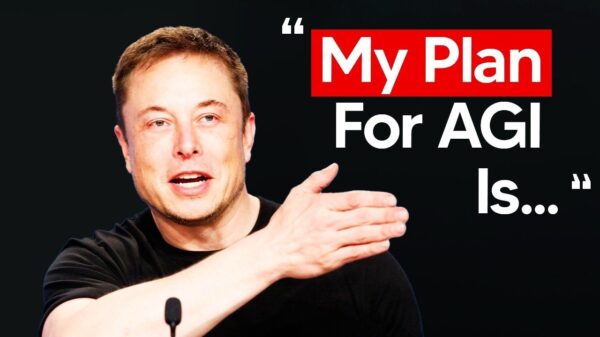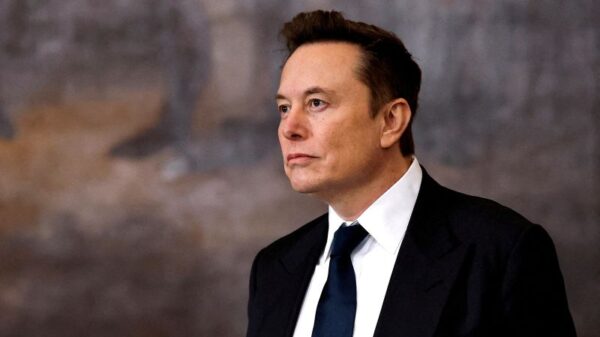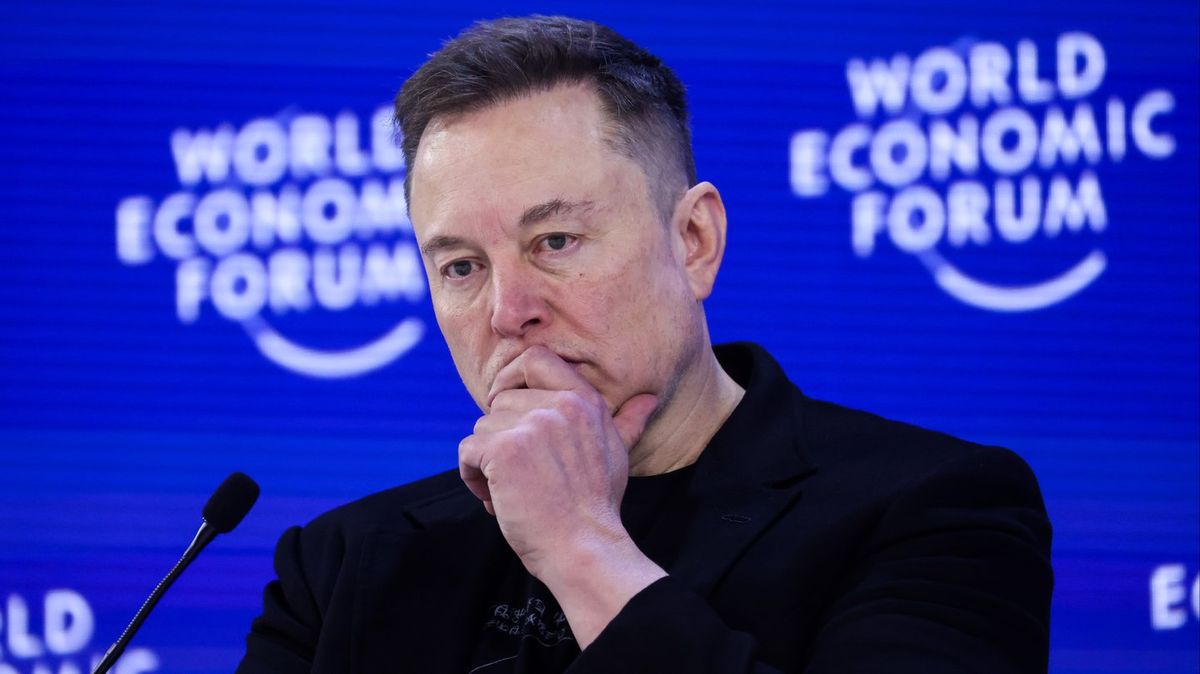
Elon Musk faces substantial financial repercussions following a jury’s verdict that found him guilty of intentionally misleading Twitter investors before acquiring the social media platform in 2022. Musk’s $44 billion purchase of Twitter has been overshadowed by allegations that he defrauded shareholders, which has culminated in a civil lawsuit against him.
Prior to the acquisition, Musk made statements on social media and during a podcast that suggested he might retract his offer, prompting some Twitter shareholders to divest their holdings. Allegedly, Musk capitalized on this dip in stock prices to acquire additional shares at a lower cost. The jury, which deliberated for three days after a trial that commenced on March 2 in San Francisco, California, found Musk liable for misleading investors through two specific tweets, one of which claimed that the Twitter deal was “temporarily on hold.”
However, the jury cleared him of broader fraud accusations, determining that he did not orchestrate a scheme to deceive investors. While Musk was deemed responsible for misleading shareholders, the jurors did not find that he intentionally plotted to defraud them, which could have resulted in more severe penalties.
The implications of the jury’s ruling are significant, as the case is a class action, leaving it unclear precisely how much Musk will owe to thousands of affected shareholders, many of whom are institutional investors. Estimates suggest that damages could reach as high as $2.6 billion, with jurors reportedly awarding between three to eight dollars per stock per day to shareholders impacted by Musk’s statements.
Joseph Cotchett, an attorney representing the plaintiffs, characterized the outcome as an “important victory” not just for Twitter investors but for the broader public markets. “The jury’s verdict sends a strong message that just because you’re a rich and powerful person, you still have to obey the law, and no man is above the law,” Cotchett stated.
Following the ruling, Musk’s legal team expressed intentions to appeal. In a statement relayed via email, they described the verdict as “a bump in the road” and expressed confidence in achieving vindication on appeal. They noted that while the jury ruled against Musk on certain points, it also acknowledged no fraudulent scheme existed, suggesting a potential for a different outcome in future legal proceedings.
The broader ramifications of this case extend to the realm of investor trust and corporate accountability, particularly in an era where social media has become a powerful tool for influencing market behavior. Musk’s case underscores the complexities of social media communications and their potential legal consequences, particularly for high-profile individuals with substantial financial interests in publicly traded companies.
As this legal saga unfolds, the focus will inevitably turn toward how regulators and market participants may respond to the precedent set by this case, especially concerning the responsibilities of executives in their public communications. Investors and stakeholders alike remain alert to developments, as the outcome could influence future regulations governing social media use by corporate leaders.
See also Mistral Proposes Revenue-Based Levy for AI Training Copyright in Europe
 Google DeepMind Appoints Jasjeet Sekhon as Chief Strategy Officer Amid AI Competition
 Microsoft Acknowledges Overreach, Reduces Copilot Integration in Notepad and Other Apps
 Lyft Integrates NVIDIA AI for $8.7B Revenue Goal Amid Autonomous Fleet Overhaul
 Amazon Acquires RIVR to Enhance Last-Mile Delivery with Advanced Physical AI Systems