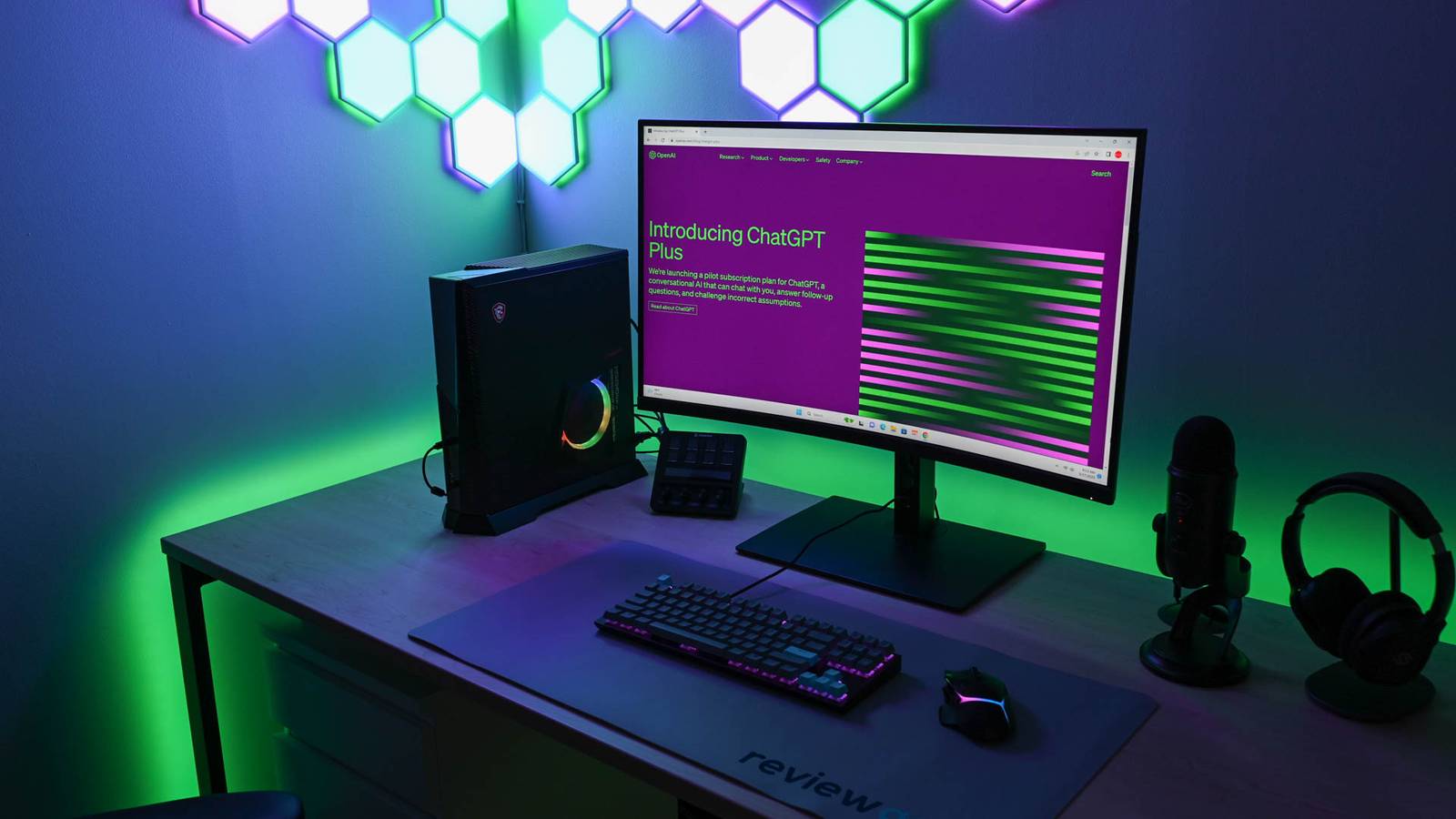
Local large language models (LLMs) are gaining traction as alternatives to established AI assistants such as ChatGPT, Gemini, and Claude, offering users the ability to run these models directly on their personal computers. While they exhibit strong capabilities in various tasks, local LLMs often fall short compared to their cloud-based counterparts. This disparity underscores the rationale for utilizing both types of models, as users can enjoy the benefits of each.
One significant advantage of local LLMs is their accessibility. Contrary to popular belief, powerful hardware is not a prerequisite for running these models. Users with modest setups can still achieve commendable performance. For instance, an M2 MacBook Air with just 8GB of RAM successfully handles tasks such as summarizing text, analyzing images, and assisting with coding. Though larger models demand more robust systems, smaller ones can perform adequately on less powerful hardware. Tools like llm-checker and llmfit can help users identify compatible models for their systems, ensuring optimal performance based on available resources.
Despite their strengths, local LLMs cannot consistently compete with major proprietary models when it comes to handling complex tasks. The speed advantage of local models may be evident in simpler assignments, yet their cloud-based counterparts boast superior capabilities thanks to their extensive infrastructure. Proprietary models like ChatGPT, Claude, and Gemini benefit from vast clusters of GPUs, allowing them to process large amounts of data more efficiently. This translates into a performance discrepancy, where local LLMs, while nimble, resemble sports cars, whereas proprietary models function like Formula 1 vehicles, benefiting from billions of dollars in infrastructural investments.
However, local LLMs certainly have their place. They can effectively perform a range of tasks, including document summarization and basic data extraction, as long as the input falls within the model’s context window. Creative writing and solving standard logic or math problems are also strong suits. In contrast, proprietary LLMs excel at more intricate assignments, such as cross-document analysis or redesigning application architecture.
The rationale behind using local LLMs extends beyond performance. Privacy stands out as a key benefit. When utilizing proprietary LLMs, users must willingly share the content they input, raising concerns for those handling sensitive information. A local LLM serves as a safeguard, enabling users to redact sensitive data before uploading to a cloud service. For example, one user successfully identified and concealed personal information in bank statements using a local model, subsequently analyzing their spending habits with a proprietary LLM without compromising privacy.
Moreover, local LLMs can help users circumvent the limitations imposed by proprietary models. In scenarios where proprietary LLMs refuse to provide specific answers due to strict filters, local models may deliver the desired output without hesitation. This versatility is particularly appealing in creative applications, such as role-playing games, where local LLMs can generate content that proprietary models might restrict.
For those who have subscriptions to proprietary LLMs, using local models for straightforward tasks can be a prudent strategy. This approach conserves usage limits on premium accounts for more complex challenges, thereby optimizing the overall experience. While local LLMs do not yet rival the sophistication of cloud-based models in every aspect, their capacity to perform a variety of tasks makes them valuable tools in the AI landscape.
Ultimately, the integration of local LLMs with proprietary cloud-based models allows users to benefit from both privacy and performance. As the technology continues to evolve, the synergy between these two approaches is likely to enhance user experiences, offering solutions to a wide range of tasks while addressing concerns around data security. The landscape of AI assistance is expanding, and users now have more options than ever to tailor their experiences to their specific needs.
See also Microsoft Launches MAI-Image-2, a Photorealistic AI Model with Enhanced Text Rendering
 Microsoft Reveals MAI-Image-2, Now Third on Arena.ai Text-to-Image Leaderboard
 Microsoft Launches MAI-Image-2, Enhancing AI Image Generation with Photorealism and Text Accuracy
 Tech Giants Meta and OpenAI Evaluate Employees by LLM Token Consumption Metrics