Lam Research (NASDAQ:LRCX) has delivered a remarkable 321% total return over the last three years, significantly outperforming peers like ACM Research (NASDAQ:ACMR), which achieved a 269% return, and ASML (NASDAQ:ASML), which saw a 105% increase. Despite this impressive trajectory, Lam’s stock fell approximately 10% recently, driven by concerns over memory chip demand following Google’s announcement of its new TurboQuant compression algorithm. This announcement suggests a potential reduction in the memory footprint required for large language models, causing investors to fear that lower memory demand could lead to slower growth across the semiconductor supply chain.
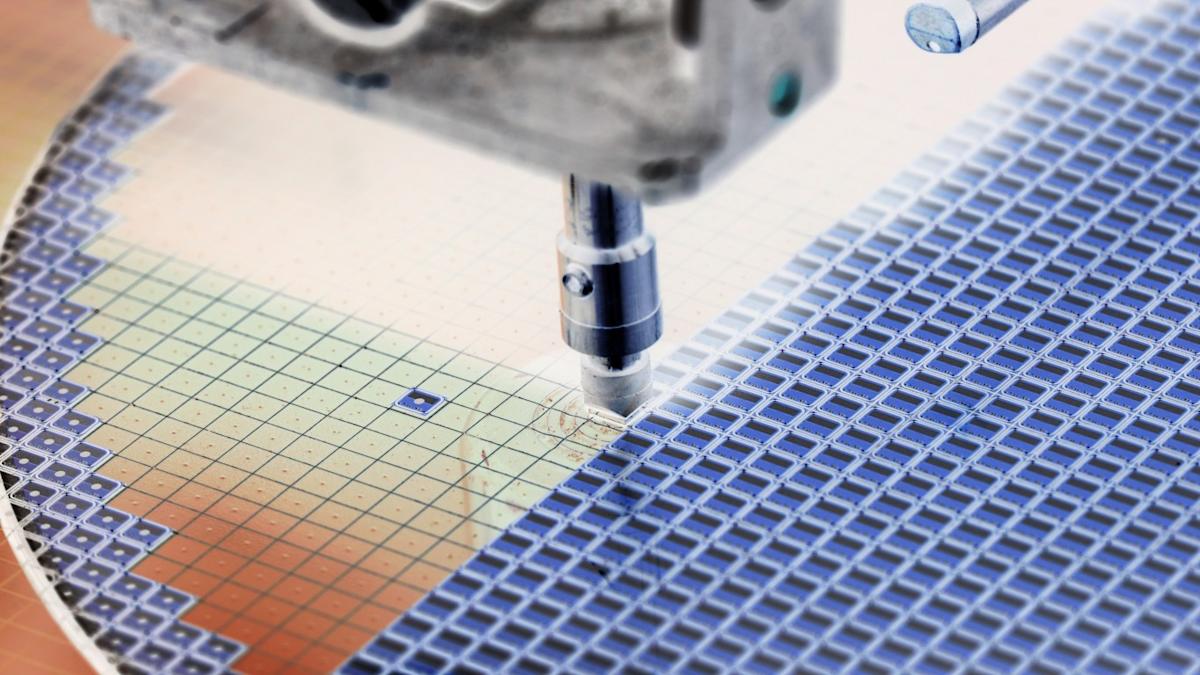
Investors have been closely monitoring the AI semiconductor equipment landscape, with a focus on ASML’s lithography advancements and ACM Research’s wafer-cleaning innovations. However, Lam Research has been quietly building a formidable position in the market, primarily through its etch and deposition tools essential for producing high-bandwidth memory (HBM) and advanced AI logic chips. These tools play a crucial role in the intricate processes of etching and depositing thin films on silicon wafers, forming the backbone of advanced chip architecture.
The recent dip in Lam’s stock price has been particularly pronounced because the company’s technology is fundamental to the production of the chips that power AI applications. While ASML is often credited for enabling smaller transistors, Lam’s equipment is responsible for developing the architecture that allows these transistors to perform at peak efficiency and scale. This focus on middle- and back-end processes has allowed Lam to maintain strong demand for its equipment, even amidst fluctuations in the broader semiconductor market.
The surge in demand for advanced packaging techniques has led to significant revenue growth for Lam Research, with management projecting continued expansion into 2026. As the race to enhance AI capabilities accelerates, the resilience of Lam’s business model is becoming evident. The company has a robust installed base that generates recurring high-margin revenue from spare parts, upgrades, and services, providing a financial buffer that other equipment manufacturers may lack.
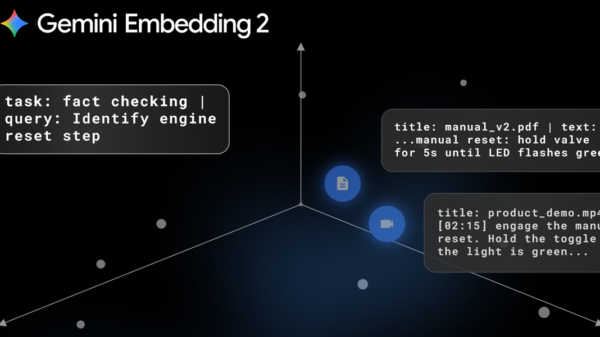
Google’s TurboQuant algorithm has generated buzz by proposing to dramatically compress the memory requirements of AI models, leading to concerns about reduced long-term demand for memory chips and, by extension, the equipment used to manufacture them. Wall Street reacted swiftly, assuming that this advancement would translate into diminished orders for manufacturing tools. However, experts argue that such fears may be overblown. Despite TurboQuant’s efficiency gains, the demand for AI workloads remains rampant, with new applications emerging at a rapid pace.
Analysts have pointed out that while TurboQuant represents a leap in software efficiency, it does not equate to a decrease in hardware needs. The ongoing expansion of chip fabrication capacities is expected to continue, fueled by the explosive growth of AI applications. Chipmakers are unlikely to rescind orders for critical manufacturing tools that enhance yields and operational performance at the most advanced production nodes.
The market’s swift reaction to Google’s announcement has created an opportunity for discerning investors. Lam Research enters this period with a strong operational momentum, a clean balance sheet, and a solid foothold in essential areas of AI infrastructure. Its tools are widely adopted across major foundries and memory manufacturers, aligning perfectly with the industry’s shift towards 3D stacking and hybrid bonding techniques, which play to Lam’s strengths.
Even as the short-term memory concerns persist, the multi-year tailwinds from increased spending on AI infrastructure far outweigh the implications of any single algorithmic advancement. Analysts remain skeptical of the transformative nature of Google’s TurboQuant, with some indicating that the compression figures are largely compared against outdated benchmarks rather than contemporary methods already in widespread use.
For investors, the recent 10% decline presents a unique opportunity to acquire a proven player in the semiconductor equipment space at a more attractive valuation. Lam Research’s forward earnings multiple still appears reasonable given its growth trajectory and the expansive market opportunities ahead, particularly as the need for high-performance AI chips continues to escalate.
In summary, while Lam Research may lack the headline-grabbing innovations typical of its peers, its consistent performance and strategic positioning make it one of the most rewarding investments in the AI semiconductor equipment sector. The market’s reaction to TurboQuant reflects a transient misinterpretation of its impact on Lam’s long-term prospects, offering a timely entry point for investors seeking exposure to a company that has demonstrated an ability to thrive amidst competitive pressures.
See also Machine Learning and 3D Physics Combine for Effective L’Aquila 2009 Damage Assessment
 Qualified Health Raises $125M to Expand AI Platform Across U.S. Health Systems
 Jentic Launches AI Readiness Scorecard to Transform API Infrastructure for Enterprises
 40% of Australian GPs Now Utilize AI Scribes, But Are Patient Connections at Risk?
 Fisch Solutions Launches AI Integration Services for SMBs with 30-Day ROI in Tri-State Area