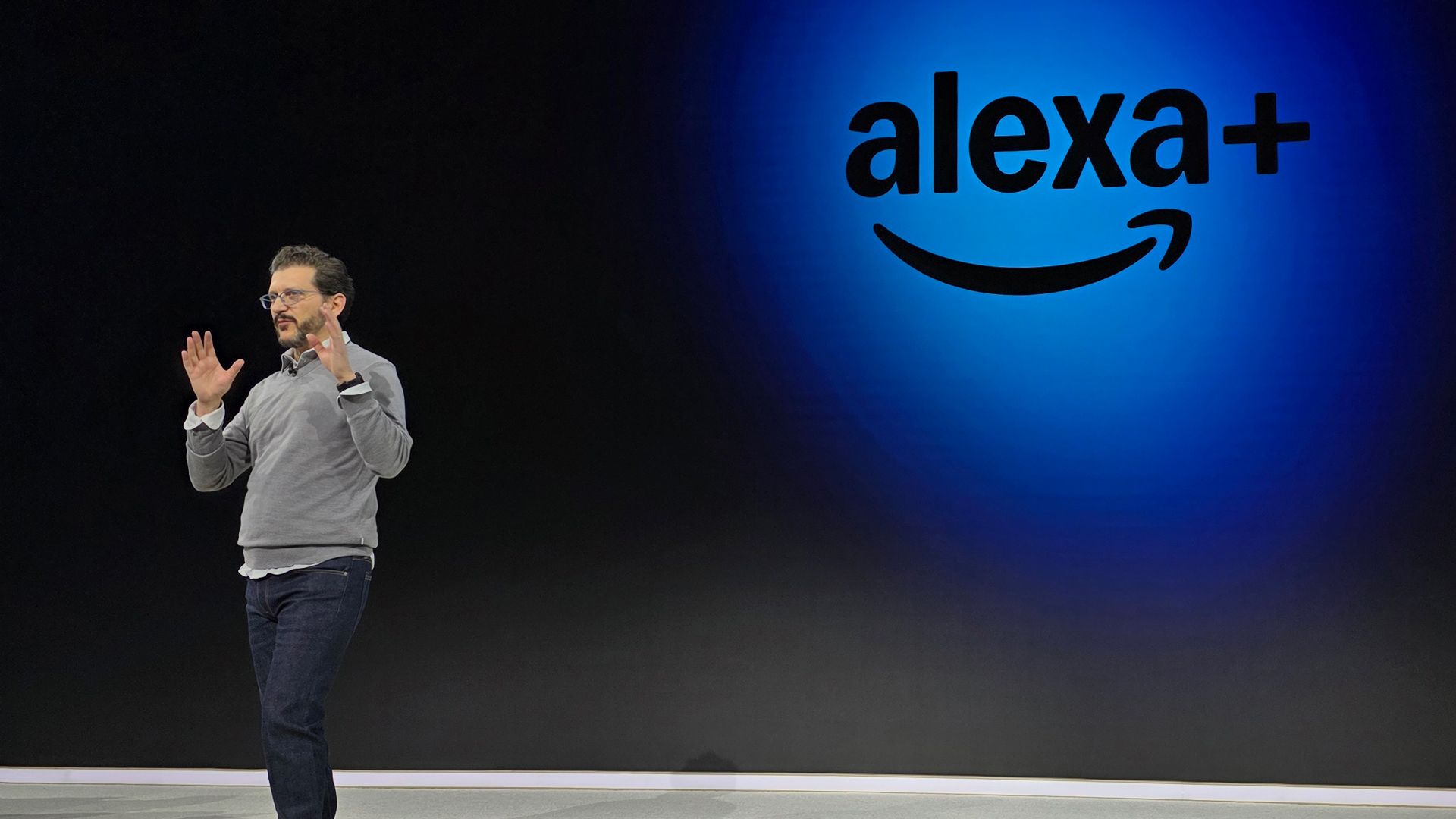
OpenClaw, a newly unveiled framework for orchestrating artificial intelligence agents, has marked a significant advancement in AI capabilities this year. This tool essentially provides AI with digital “hands,” enabling interaction with computers and other digital environments in ways that resemble human activity. As companies explore these innovations, Amazon’s Alexa team is leveraging the latest models with its Alexa+ platform. Daniel Rausch, vice president of Alexa and Echo at Amazon, provided insights into how this upgrade is enhancing user engagement and performance.
OpenClaw is designed to be a lightweight and flexible solution, particularly effective when used on a well-equipped Mac mini or a PC with a robust GPU. This local option offers the potential for cost savings over time, although users must remain vigilant about permissions and security configurations to safeguard sensitive data. The advent of OpenClaw has already prompted enhancements from other companies, including Nvidia’s Nemobot and competitors like Perplexity Computer and Claude Cowork Dispatch, which can come with subscription costs exceeding $100 per month—often justifiable for business automation tasks.
For mainstream consumers, however, Alexa+ emerges as a primary tool for efficiently managing everyday tasks. Rausch notes that Amazon’s ongoing commitment to making Alexa the “world’s best personal AI assistant” remains firmly in place. The platform has undergone an 18-month overhaul to enhance its architecture while ensuring compatibility with the vast majority of devices it supports. The result has been a notable uptick in user engagement, with interactions reportedly increasing two to three times over the original Alexa assistant.
This increase in usage is evident in areas such as music streaming and smart home interactions, which have surged by over 50 percent compared to the previous generation of Alexa. Rausch attributes this growth primarily to Alexa+’s improved understanding of user intent, allowing for a more seamless user experience. “You can truly say what you want and it happens,” he commented, highlighting the platform’s effectiveness in executing commands.
Rausch also pointed out that users are increasingly exploring Alexa’s capabilities, engaging in conversations about its functions. This stands in contrast to other AI chat interfaces, which often compartmentalize their features. While exploration can yield positive outcomes, it can also lead to potential pitfalls, as some users have formed deep emotional connections with AI chatbots, raising concerns about dependency.
Unlike competing products, Alexa prioritizes task completion over engagement for its own sake. Rausch emphasized that the core design philosophy of Alexa revolves around helping customers accomplish their goals, rather than simply prolonging interaction. He noted Amazon’s long-standing commitment to safe AI practices, mentioning that Alexa has consistently shown resilience against spreading misinformation. This focus on responsible AI is designed to prevent emotional isolation and foster meaningful human relationships.
Despite OpenClaw pushing the boundaries of AI potential, Rausch contends that Alexa shares a fundamental design goal, albeit for everyday users without the need for specialized hardware or cryptocurrency investments. Alexa is increasingly capable of handling asynchronous tasks, with growing interest in features like a Ticketmaster-monitoring function that can alert users to high-demand tickets.
Recent updates to Alexa-enabled Echo devices have incorporated new sensing technology to enhance contextual awareness within the home environment. Although Alexa currently has limited smartphone capabilities, the integration of Ring and Blink security products allows it to visualize and interpret home surroundings, expanding its utility beyond basic functions.
To fully realize personalized AI experiences, Amazon recognizes the need to bolster its offerings in personal devices. The acquisition of Bee, a company known for its innovative wristband that records and processes notes and meetings, is a step toward this goal. As Amazon continues to evolve the Alexa platform, the focus will shift from merely being ubiquitous to achieving efficiency and effectiveness in accomplishing tasks across various contexts.
See also Trump Backs Section 702 Reauthorization, Urges Clean 18-Month Extension Amid Controversy
 Google Reveals TurboQuant AI Compression to Potentially Lower RAM Prices
 Dutch Court Bans xAI’s Grok from Generating Non-Consensual Images; €100K Daily Fines Imposed
 Top 10 AI Girl Generators for 2026: Create Realistic Characters with Ease
 Huawei Launches Atlas 350 AI Accelerator, Claims 2.87x Performance Boost Over Nvidia H20