Education policy is increasingly at the forefront of national discourse as various stakeholders seek to address systemic challenges within the American education system. The latest discussions, as highlighted by publications such as Education Next, reflect a complex interplay of factors influencing educational standards, assessment methods, and public trust in educational governance.
One significant development is the emergence of the Classic Learning Test (CLT), which has begun to challenge the longstanding SAT-ACT duopoly in college admissions. This upstart assessment aims to provide an alternative evaluation method that emphasizes a classical education. As it gains traction, the CLT has sparked debate about the efficacy and relevance of traditional standardized testing methods, prompting colleges to rethink their admissions strategies.
Simultaneously, the Democratic Party faces a crisis in public trust concerning education. Despite polling data suggesting that progressives hold a slight edge on educational issues, widespread criticism regarding their handling of school policies has led to a substantial decline in confidence. The fallout from contentious debates over school closures, funding, and curriculum changes has left many questioning the party’s commitment to educational excellence.
In a related discourse, the increasing focus on standards, testing, and accountability has ignited discussions about the broader implications of educational assessments. Critics argue that high-stakes testing can lead to grade inflation and may not accurately reflect students’ knowledge or skills. This debate is further compounded by research that indicates a trend toward dumbing down Advanced Placement (AP) courses, potentially undermining their value in preparing students for higher education.
Experts, including education scholars and practitioners, emphasize the importance of knowledge-rich instruction as a critical factor in enhancing educational outcomes. Advocates for this approach argue that a well-rounded curriculum, grounded in foundational knowledge, not only benefits students academically but also prepares them for future challenges in a rapidly evolving job market.
The discourse on education is not limited to academic performance; it also encompasses social dynamics. Many students, particularly those from underserved communities, face obstacles that extend beyond the classroom. A lack of social capital and networks can hinder their academic and career prospects. Schools are increasingly recognized as vital spaces for fostering these connections, underscoring the need for a holistic approach to education that addresses both academic and social needs.
Moreover, the concept of restorative justice in schools—a strategy intended to address disciplinary issues by focusing on students’ social and emotional well-being—has also come under scrutiny. Teachers report that while the intention is noble, the practical application has resulted in classrooms that are harder to manage, leading to calls for a reevaluation of disciplinary methods.
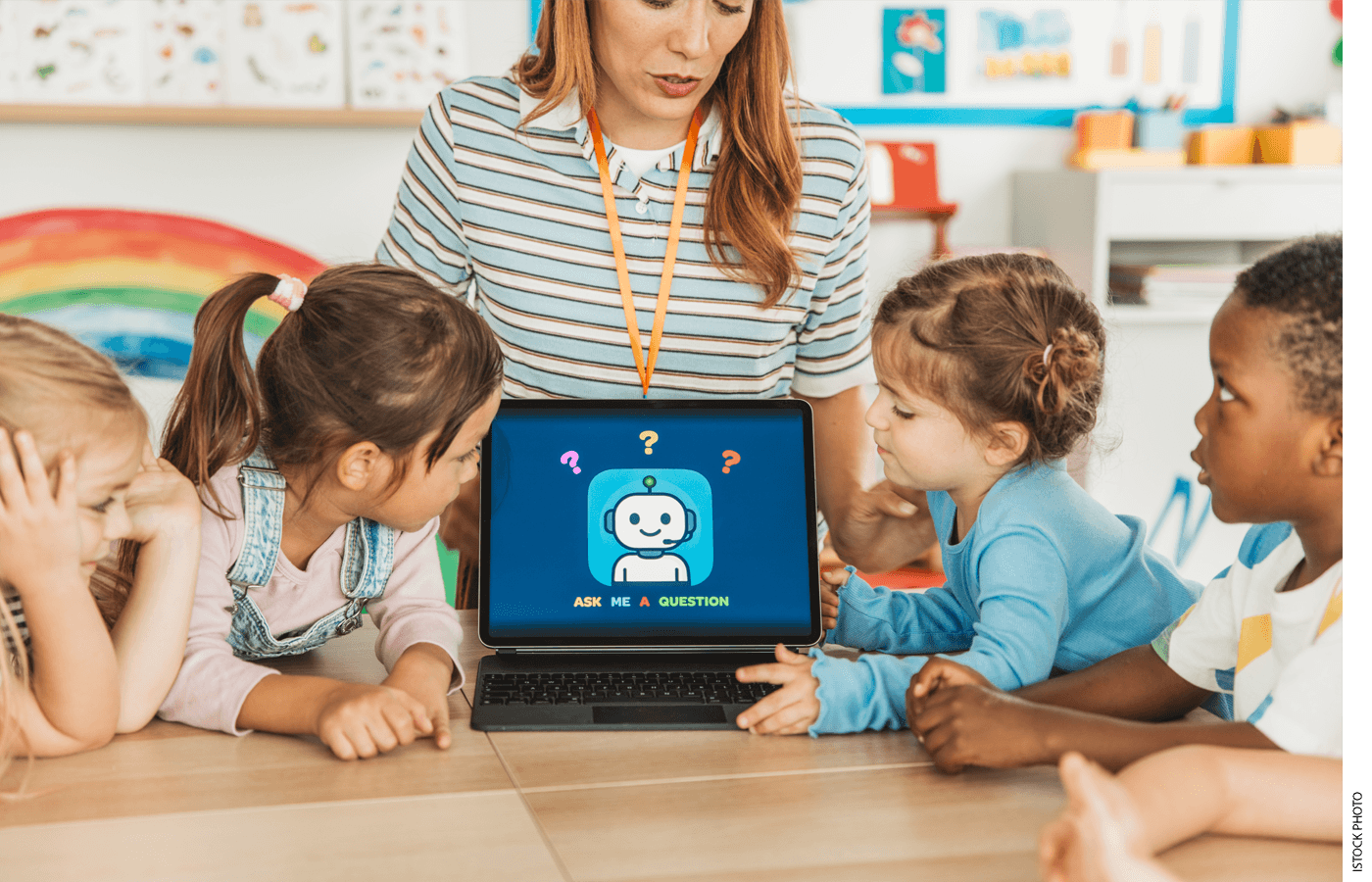
The intersection of technology and education remains another area ripe for exploration. Despite substantial investments in educational technologies over the past fifteen years, questions persist about their effectiveness. Observers note that while digital tools have transformed the learning landscape, they have not necessarily translated into improved learning outcomes for students.
As these discussions unfold, the role of public policy in shaping the future of education remains crucial. Policymakers, educators, and community stakeholders must collaborate to ensure that educational reforms are not only well-informed but also equitable and effective. The challenge lies in balancing innovation with the foundational principles of education—preparing students not just for tests, but for life beyond the classroom.
In summary, the current landscape of American education is marked by a mixture of challenges and opportunities. From the rise of alternative assessments to the need for deeper public trust in educational governance, the path forward will require thoughtful engagement from all sectors involved. As the education system grapples with these complexities, the conversations initiated today will likely shape the educational experiences of future generations.
See also AI’s Evolving Role in Higher Education: Insights from Boston City Campus’ Stephan van der Westhuizen
 17 Education & Technology Achieves Resilience Post-Regulation with AI-Driven K12 Solutions
 Discovery Education Launches Connected Ecosystem to Integrate AI and K-12 Instruction
 Art Schools Embrace AI Amid Student Protests Over Job Security and Curriculum Changes
 ThoughtLeadr Replaces Training with AI-Generated Posts, Boosting Engagement by 312%