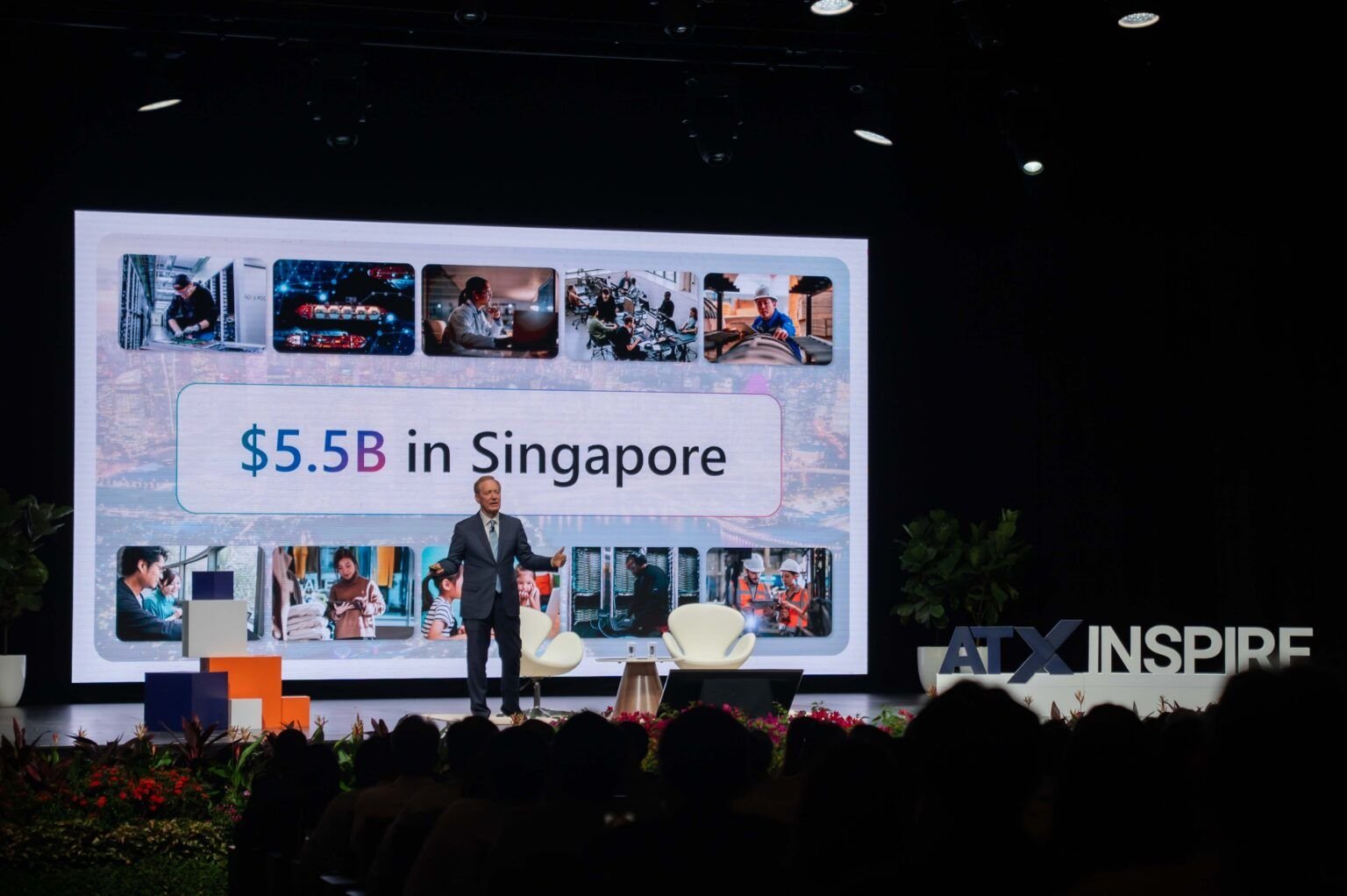
Microsoft is set to provide all tertiary students in Singapore with 12 months of free access to Microsoft 365 Premium equipped with Copilot, a move aimed at integrating artificial intelligence directly into daily academic practices. This initiative reflects a broader trend in education to embed AI tools into existing applications like Outlook, Word, Excel, PowerPoint, and OneNote, thereby positioning Copilot as an essential component of student productivity.
The rollout is not only about access but also about fostering a deeper understanding of AI among educators and nonprofit leaders. Microsoft Elevate programs will expand in Singapore, focusing on building AI capability in the education and social impact sectors. The Microsoft Elevate for Educators initiative aims to train teachers across various educational levels, emphasizing responsible AI usage in classrooms.
Simultaneously, the Microsoft Elevate for Changemakers program seeks to equip nonprofit leaders with practical AI skills, thereby addressing the disparity in AI readiness that persists in sectors with limited access to training and resources. These programs are strategically designed to respond to the increasing demand for AI literacy.
In a recent announcement on LinkedIn, Smith framed this initiative within a long-term strategy for Microsoft, stating, “Our ongoing investment in cloud and AI infrastructure reflects Microsoft’s long-term confidence in Singapore as a global digital leader.” He emphasized the importance of enabling AI adoption across various sectors, noting that initiatives would focus on strengthening skills, enhancing cybersecurity, and promoting trusted governance.
As the demand for AI skills continues to rise, data from LinkedIn reveals a significant increase in the expectation for AI fluency across various job roles in Singapore. This shift has prompted educational authorities to recognize baseline AI skills as fundamental, akin to digital literacy. Dr. Janil Puthucheary, Senior Minister of State at Singapore’s Ministry of Education, highlighted the educational sector’s critical role in this transition, asserting, “Baseline AI skills are increasingly becoming as fundamental as digital literacy.”
Dr. Puthucheary also pointed out the importance of providing hands-on experience with AI tools for students while supporting educators to adopt these technologies with confidence. This dual approach aims to fortify the foundations for Singapore’s future workforce, ensuring that graduates are equipped to utilize AI with discernment and trust.
The coordinated focus on infrastructure, accessibility to tools, and comprehensive training illustrates a recognition that simply providing access to AI technologies is insufficient. Without investment in skills and their practical implementation, the potential benefits of these tools may not be fully realized. As Microsoft’s initiative unfolds, it will likely contribute to the broader narrative of AI integration within educational frameworks, setting a precedent for other regions to follow.
See also AI Revolutionizes Enterprise Software, Achieving Double-Digit Efficiency Gains Across Industries
 Zoho Launches WorkDrive 6.0, Aiming to Revolutionize AI-Driven Content Management
 Opkey Launches Release Advisor, Cutting SaaS Release Analysis Time by 60%-80%
 Cal Poly Student Parker Jones Urges Professors to Embrace AI Tools Amid Curriculum Gaps
 WMF AI Global Summit Returns to Address $500B Market Shift from Hype to Execution