As organizations navigate the complexities of cloud security, effectively managing Non-Human Identities (NHIs) and secrets has become increasingly critical amid rising cyber threats. These machine identities, which include encrypted passwords and tokens, act as essential components in safeguarding cloud infrastructures, functioning much like digital passports that allow access based on granted permissions. Industries such as financial services, healthcare, and DevOps are particularly focused on this management as they shift to cloud-based systems, highlighting the need for robust oversight of both identities and their access credentials.
The traditional reliance on point solutions, such as secret scanners, often leads to limited security measures. In contrast, comprehensive NHI management platforms offer a more holistic approach, focusing on securing machine identities throughout their lifecycle. This involves stages such as discovery, classification, threat detection, and vulnerability identification, enabling businesses to boost their defenses against potential data breaches and leaks.
The strategic significance of managing NHIs is underscored by its myriad benefits. Proactive identification of security risks can significantly lower breach likelihood, while effective compliance measures streamline regulatory adherence. Furthermore, automation in NHI management enhances the efficiency of security teams, allowing them to concentrate on more strategic initiatives. A centralized view for access management also empowers organizations with better oversight, reducing operational costs through automated processes like secrets rotation.
These advantages extend across various sectors. In financial services, effective machine identity management secures sensitive data against threats. In healthcare, it plays a crucial role in protecting patient information, while the travel industry leverages NHIs to ensure secure transactions and improve customer experience.
Agentic AI: A Transformative Force
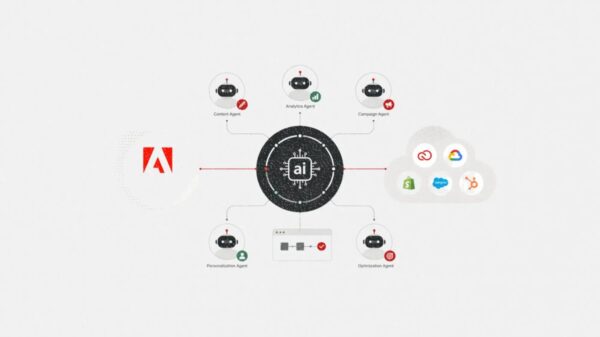
The rise of Agentic AI presents an additional layer of innovation in cybersecurity. By integrating AI capabilities with NHI management, organizations can gain enhanced insights and automate security processes. However, it is vital that businesses maintain a balance, ensuring that the incorporation of AI does not compromise existing security protocols. The use of Agentic AI can facilitate a seamless transition to more sophisticated security frameworks, enhancing actionable insights and fostering stakeholder confidence.
As organizations delve deeper into these technological advancements, understanding the role of NHIs and Agentic AI is paramount. Effective NHI management not only acts as a defensive shield against breaches but also serves as a strategic advantage for businesses aiming to innovate confidently in the digital landscape.
Adopting a layered security approach is another vital strategy for addressing modern cyber threats. By integrating NHI management with broader security frameworks—such as network security, endpoint protection, and encryption—organizations can establish a multi-faceted defense mechanism. This layered methodology significantly complicates the efforts of potential attackers, enhancing the overall security posture.
Organizations are also confronting unique challenges as they transition operations to the cloud. While the cloud offers scalability and flexibility, it also presents new security vulnerabilities, including multi-tenancy and remote access issues. NHI management platforms are crucial in building resilient security frameworks, enabling real-time monitoring and automated alerts to address any irregular behavior swiftly.
Data-driven insights through predictive analysis are becoming increasingly vital in cybersecurity, allowing organizations to anticipate and counter potential threats effectively. By utilizing historical and real-time data, companies can identify patterns that signify vulnerabilities, thereby bolstering their defenses against cyber intrusions. This proactive approach enhances the ability to protect NHIs while securing operational integrity.
Enhancing security does not have to stifle innovation; in fact, efficient NHI management can create a secure environment that supports rapid innovation. For example, DevOps teams can confidently deploy continuous pipelines, knowing that automated management of NHIs will protect their infrastructures. Engaging with emerging technologies, such as AI, can further enhance the integration of security and innovation, allowing businesses to remain at the forefront of technological advancements.
Collaboration between security and R&D teams is essential for strengthening an organization’s cybersecurity posture. Bridging the gap between these units ensures that security considerations are incorporated from the initial stages of product development, helping to identify vulnerabilities before they become threats. A shared responsibility model equipped with advanced NHI management tools can align company objectives with security initiatives, fortifying overall resilience against cyber threats.
Looking ahead, the future of NHI management is expected to be shaped by evolving cyber threats and the incorporation of groundbreaking technologies, including AI and machine learning. These advancements promise to enhance predictive analytics and enable real-time threat responses, making the secure management of NHIs more paramount than ever. As organizations commit to innovative cybersecurity approaches, the effective management of NHIs will transition from being a strategic necessity to a fundamental requirement in safeguarding cloud environments.
See also Microsoft Announces $10 Billion Investment in Japan for AI, Data Centers, and Workforce Training
 CrowdStrike’s Falcon Platform Achieves 80% Analyst Efficiency with New AI FeaturesCrowdStrike Falcon Achieves 30% YoY Growth, Redefining Cybersecurity for Enterprises
 AI Transforms Cybersecurity: New Strategies Required to Combat Evolving Threats
 Cyberattacks Rise 44% as Leaders Underestimate AI Threats—Time to Act Now