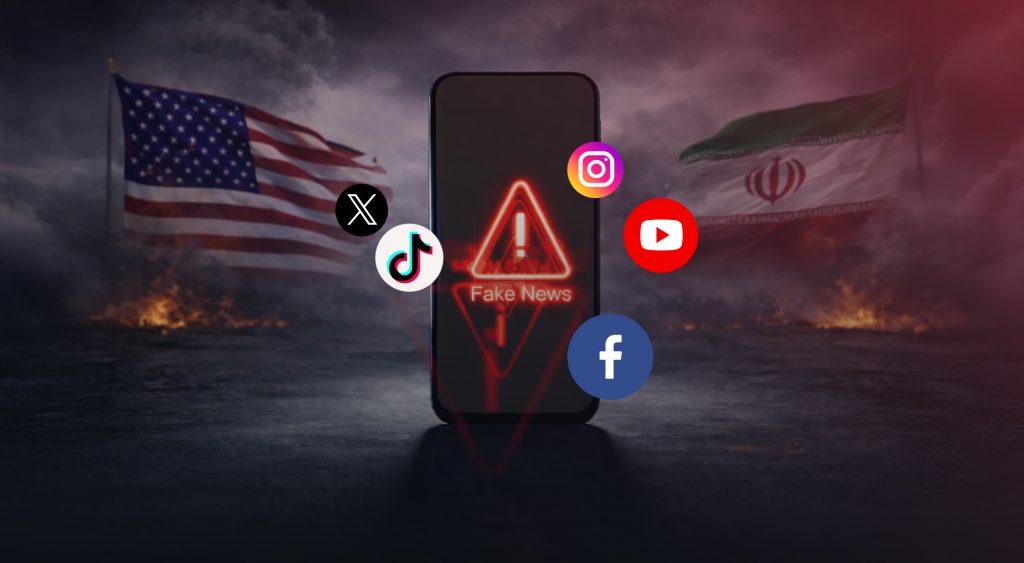
As tensions between the U.S., Israel, and Iran escalated in the spring of 2025, the ability to discern fact from fiction in media coverage became increasingly compromised. Following the collapse of U.S.-brokered negotiations over Iran’s nuclear program, misleading and synthetic media proliferated on platforms like X and Telegram, blurring the lines between reality and disinformation. Viral clips depicted genuine destruction, yet others showcased older conflict footage recontextualized to fit new narratives, while entirely fabricated images emerged, indistinguishable to the average viewer. The once manageable challenge of competing narratives in the Middle East has transformed into a complex battleground of information warfare that beckons urgent attention.
This conflict serves as a vivid illustration of how narrative control can shape public perception. Each player—Israel, Iran, and the United States—has significant incentives to influence how the conflict is perceived. Israel seeks to reassure its citizens and maintain Western support by portraying military actions as proportionate and necessary. Iran aims to strengthen internal resilience while framing itself as a victim of aggression on the world stage. The U.S. balances its complicated alliances, striving to sustain credibility in the Muslim world while advocating for de-escalation.
The stakes surrounding these narratives are profound; perceptions of strength, victimhood, and military efficacy directly translate into diplomatic leverage and justifications for action. For instance, narratives portraying existential threats are frequently employed to legitimize aggressive military operations, such as Israeli strikes on Iranian facilities or Tehran’s proxy engagements framed as defensive actions. The competition for story control has evolved, with social media democratizing the dissemination of information. A single influential Telegram channel can now propagate misleading content globally within minutes, competing with established news outlets and official government communications.
The introduction of synthetic media has exacerbated this information crisis, with AI-generated images and manipulated videos complicating the already murky waters of public understanding. During recent escalations, authentic footage from past conflicts was recirculated under false pretenses, further muddying the informational landscape. This hybrid deception—real images stripped of context—poses significant challenges for both audiences and content moderation systems, which struggle to detect subtle manipulations.
As synthetic media technologies advance, the capacity for deception increases. AI-generated imagery has already been documented in the conflict, with one notable incident in November 2024 involving a fabricated image of an Iranian military base that spread widely before analysts identified inconsistencies. The speed at which misinformation circulates often outpaces corrections, leading to a cycle of credulity or blanket skepticism among audiences, both of which serve the interests of parties benefitting from confusion.
The challenge of misinformation is not limited to casual consumers of news; it extends into the realms of policy and governance. As open-source information becomes integral to intelligence assessments and policymaking, the potential for synthetic media to infiltrate high-stakes decision-making environments raises alarm. Institutions unprepared for the verification of digital content remain vulnerable to disinformation, underscoring an urgent need for formal protocols that ensure the authenticity of visual material.
Moving forward, a cultural shift in how individuals engage with conflict reporting is essential. Reducing the likelihood of amplifying false information requires that users develop verification as a habitual practice rather than deferring to external actors. Techniques such as pausing before sharing, tracing sources, cross-referencing reports, and contextual scanning can significantly bolster the integrity of shared information.
As synthetic media tools become more accessible and sophisticated, the imperative for clear verification methods is more pressing than ever. The narrative battleground of the U.S.-Israel-Iran conflict highlights not only the stakes involved but also the broader implications for democratic discourse in an age where the veracity of information is constantly in question. A collaborative effort to prioritize accurate reporting and responsible sharing can foster resilience against manipulation, enhancing the public’s ability to navigate an increasingly complex information landscape.
See also Zeeshan Yaseen Named Top LLM SEO Expert for 2026, Redefining AI Search Optimization
 OpenAI’s GPT 5.4 Ties with Gemini as Top AI Model for Android App Development
 WIT STUDIO Confirms AI Art Use in Ascendance of a Bookworm, Plans Redraw for Episode 2
 The New Yorker Uses Generative AI for Sam Altman Illustration, Sparking Controversy
 Anthropic Unveils Claude Mythos Preview for Enhanced Cybersecurity, Triples Revenue to $30B