As e-commerce sales continue to surge, retailers are facing a growing challenge with customer returns, a process that is often complex and costly. According to data from the U.S. Census Bureau, e-commerce retail sales as a percentage of total retail sales nearly doubled from 7.2% in Q3 2015 to 16.4% in Q3 2025. The National Retail Federation reported that items ordered online are returned at rates averaging 21% higher than those purchased in-store. This trend creates logistical headaches for retailers as they grapple with inspection, sorting, and reshipping of returned items, many of which ultimately end up in landfills due to prohibitive processing costs.
Disney Petit, founder and CEO of LiquiDonate, is addressing these challenges with a sustainability-focused software platform designed to match excess inventory from retailers with nonprofits and schools. Prior to founding LiquiDonate, Petit led social impact initiatives at Postmates, where she developed innovative solutions like Bento, a service connecting food-insecure individuals with prepaid meals. LiquiDonate, which was recognized by Time magazine as one of the “Best Inventions” of 2025, aims to divert unsellable inventory from landfills while providing meaningful support to organizations in need.
In a recent interview, Petit explained that returns have become one of retail’s largest operational challenges, affecting both costs and efficiency. “About 20% to 30% of products purchased through e-commerce are returned,” she noted, with higher rates in categories such as apparel. Retailers often find themselves unable to keep up with the volume of returns, especially as distribution centers are primarily set up for forward logistics rather than reverse logistics.
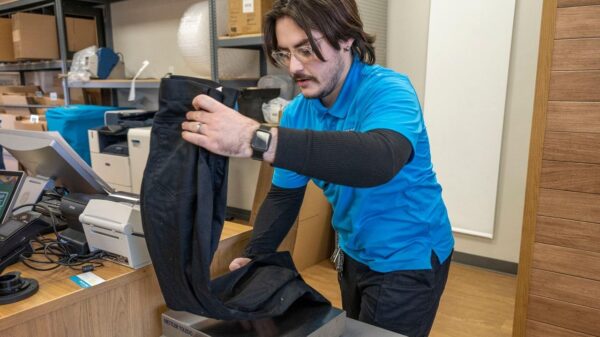
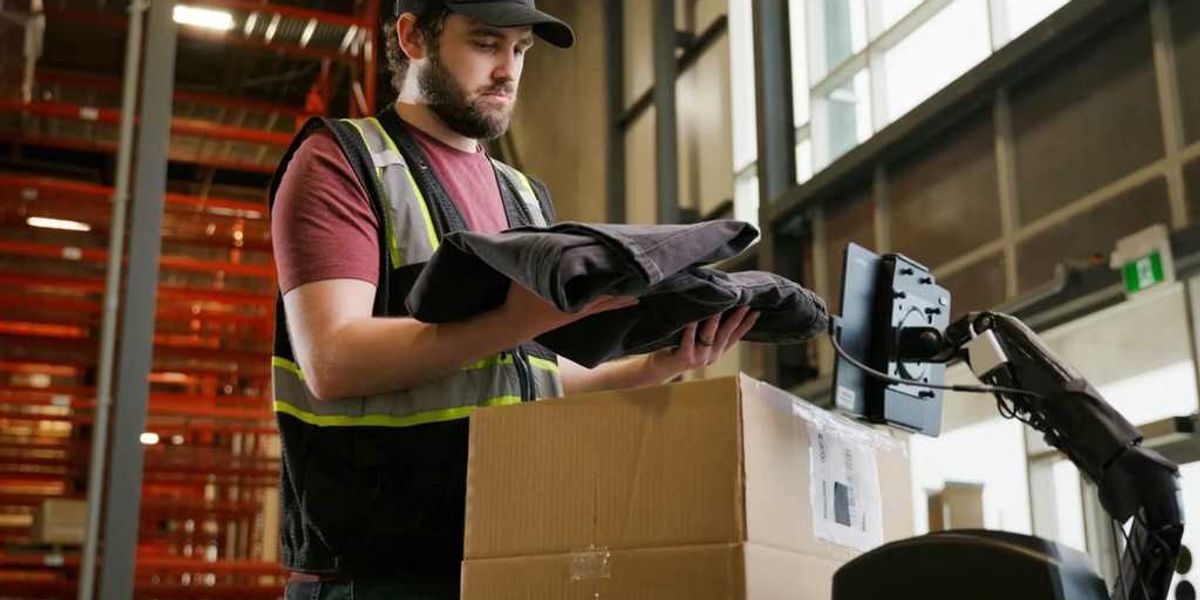
The condition of returned items varies widely, complicating the process further. Many returned products are still in their original packaging, while others may be damaged or require repackaging. Petit emphasized that the costs of processing returns can range between $15 and $35 per item, making reselling unfeasible for low-value goods. Consequently, up to 70% or 80% of unsellable returns end up in landfills, a statistic that underscores the urgent need for solutions like LiquiDonate.
Petit was motivated to start LiquiDonate after recognizing the significant waste created by excess inventory and returns. “I realized that there was an even bigger need in the retail space,” she said. “Many items were ending up in landfills when nonprofits could have repurposed them.” The platform enables retailers to donate unsellable inventory to local nonprofits instead of shipping the products back to warehouses, which can be inefficient and costly.
LiquiDonate’s approach not only minimizes shipping distances—reducing transit by up to 90%—but also streamlines the donation process for retailers. The software automates the generation of shipping labels for nearby nonprofits, thus avoiding the waste associated with returning items to distant warehouses. Additionally, the platform handles tax receipt generation, significantly easing the accounting burden on retailers.
The process is designed to be seamless for consumers, who are often unaware that their returned items are being redirected to nonprofits. Petit noted that retailers can choose to present the donation as part of a marketing initiative, appealing particularly to younger consumers who value social responsibility. “The feel-good aspect can enhance customer engagement,” she said.
In the past four years, LiquiDonate has successfully diverted over 12 million items from landfills, demonstrating its dual impact on sustainability and cost-efficiency for retailers. The logistics infrastructure proposed by LiquiDonate is increasingly recognized as a critical component for modern retail operations, moving the conversation from a “nice-to-have” to a “must-have” in the industry.
Retailers interested in implementing LiquiDonate’s solutions can easily integrate the platform into their existing systems. For those on Shopify, installation can be completed in a day, while larger enterprises typically undergo a 30-day pilot to ensure smooth operational integration. Nonprofits are thoroughly vetted to ensure they can effectively utilize the donated goods, maintaining an efficient end-to-end process.
As e-commerce continues to grow, the need for effective return management solutions will only increase, making initiatives like LiquiDonate crucial not only for reducing waste but also for fostering community support through responsible giving.
See also Coinbase Predicts AI Agents Will Transform Crypto: Top 3 Cryptos to Consider Now
 Microsoft’s Nadella Initiates ‘Copilot Code Red’ to Boost AI Competitiveness and Investor Confidence
 Silicon Valley Faces Job Cuts as AI Takes Over 50% of Workforce Tasks
 Snowflake Shares Plunge 10% to $121.11 Amid Agentic AI Concerns and SaaS Sell-off
 Anthropic’s Claude Dominates HumanX Conference, Signaling Shift in Enterprise AI Landscape