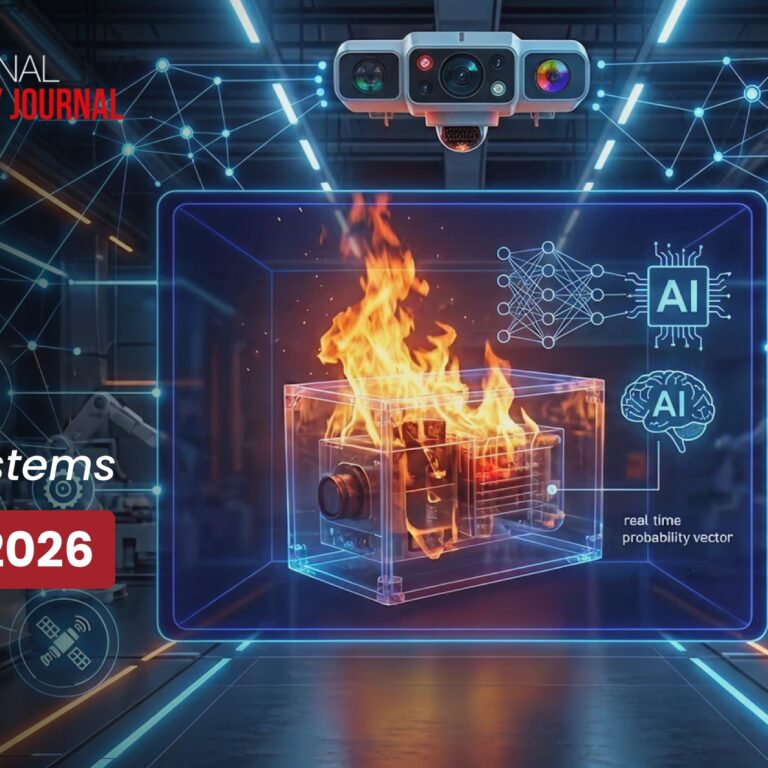
Smart fire detection systems are reshaping fire safety by leveraging artificial intelligence (AI) and the Internet of Things (IoT) to provide early risk recognition and reduce false alarms. As traditional fire alarm systems continue to falter, with many relying on fixed smoke or heat thresholds, the need for these advanced systems has become increasingly pressing. According to market forecasts, the demand for fire protection solutions is projected to reach USD 42.95 billion by 2030, reflecting a significant shift toward smarter safety measures.
Traditional fire detection systems often respond too late to emerging threats, as they depend on rigid parameters. By the time these alarms are triggered, fires may have already begun to spread, causing extensive damage. Furthermore, the prevalence of false alarms—often triggered by benign conditions such as dust or steam—compounds the issue, leading to alarm fatigue among users and delayed responses during genuine emergencies.
In contrast, smart fire detection systems utilize a combination of AI, connected sensors, and real-time data analysis to enhance the accuracy of fire risk detection. These systems evaluate multiple environmental conditions simultaneously, such as smoke, heat, gas levels, and air quality, allowing for early identification of unusual patterns and reducing the occurrence of false alarms. The intelligence layer processes this data to differentiate between actual fire events and harmless stimuli, using metrics like False Alarm Rate (FAR) and False Rejection Rate (FRR).
The connectivity layer of these systems ensures that devices remain linked across an entire building, enabling real-time alerts and remote monitoring. This integration not only automates emergency responses, such as shutting down heating systems or activating alarm protocols, but also enhances overall fire safety in smart buildings by facilitating comprehensive analyses of fire risks.
Market Dynamics and Growth
As the demand for effective fire safety solutions continues to rise, smart fire detection systems are becoming an essential component of modern infrastructure. The fire safety equipment market is expected to grow from USD 49.42 billion in 2025 to USD 52.89 billion in 2026, as organizations increasingly adopt IoT and predictive fire alarm systems to improve monitoring and emergency response. This transition underscores a broader recognition that traditional fire safety measures are increasingly inadequate in contemporary settings.
One of the most significant challenges in fire safety remains the high incidence of false alarms, which account for approximately 87% to 98% of automatic fire alarm activations in the United States, according to various studies. Fire departments respond to over 2 million false alarms annually. This leads to unnecessary evacuations, disrupted business operations, strained emergency services, and diminished trust in alarm systems. Mitigating these issues is crucial, as alert fatigue can render genuine emergencies even more hazardous.
Smart fire detection systems address these challenges through innovative technologies such as multi-criteria sensor fusion, which integrates data from various sensors to confirm real fire events, and machine learning algorithms that analyze diverse data sets to detect fire patterns. By adopting these advanced systems, industries can significantly enhance their fire safety measures, particularly in high-risk environments such as industrial facilities and smart buildings.
These advanced systems are already being implemented across various sectors that demand heightened safety measures. In industrial settings, where machinery and hazardous materials pose significant fire risks, traditional systems often fail due to environmental factors. Smart fire detection systems can analyze multiple signals concurrently, thereby improving accuracy and facilitating early detection of concealed or slow-burning fires.
In modern smart buildings, IoT fire alarm systems provide real-time monitoring and immediate alerts, integrating seamlessly with building management systems to automate emergency responses. Similarly, in public venues like airports and tunnels, where swift detection is critical, these systems utilize AI-driven analytics to rapidly assess fire risks, ensuring a coordinated and effective reaction.
As fire safety regulations evolve, compliance with standards such as the NFPA 72 and EN 54 is becoming increasingly essential. The latest revisions to the NFPA 72 code emphasize the importance of system reliability and cybersecurity, particularly as connected technologies proliferate. Maintaining compliance not only ensures the safety and effectiveness of fire detection systems but also protects organizations from legal liabilities.
Looking ahead, the landscape of fire detection technology is poised for significant advancements. As AI systems become more sophisticated, they will be capable of detecting subtle changes in environmental conditions that may indicate an incipient fire. Furthermore, the integration of camera-based detection systems in industrial environments is gaining traction, providing an additional layer of safety through real-time visual monitoring.
With the automatic fire suppression market expected to grow from USD 19.6 billion in 2025 to USD 31.4 billion by 2035, the trajectory toward smart fire detection systems is clear. As organizations prioritize compliance and the integration of smart technologies, the evolution of fire safety systems will be critical in enhancing safety, minimizing damage, and ensuring operational continuity in a complex world.
See also AI Hardware Suppliers Nvidia and Dell Set for Growth with Strong Earnings Ahead
 SiFive Unveils RISC-V Architecture to Overcome AI Compute Bottlenecks and Boost Efficiency
 Microsoft Research Announces 2026 Fellowship Cohort Focused on AI and Education