The Philippine government has initiated a comprehensive campaign against disinformation and digitally manipulated media, marking a pivotal response to the escalating global threat posed by deepfakes and synthetic identity attacks. This coordinated effort follows the signing of a memorandum of agreement (MOA) among the Department of Justice (DOJ), the Presidential Communications Office (PCO), and the Department of Information and Communications Technology (DICT).
Signed at the DOJ headquarters in Manila, the MOA aims to create an inter-agency framework that prioritizes public safety and national security against malicious information operations. DOJ Secretary Frederick Vida characterized the MOA as a crucial step in safeguarding the country from digital falsehoods, stressing the distinction between criminal disinformation and constitutionally protected speech.
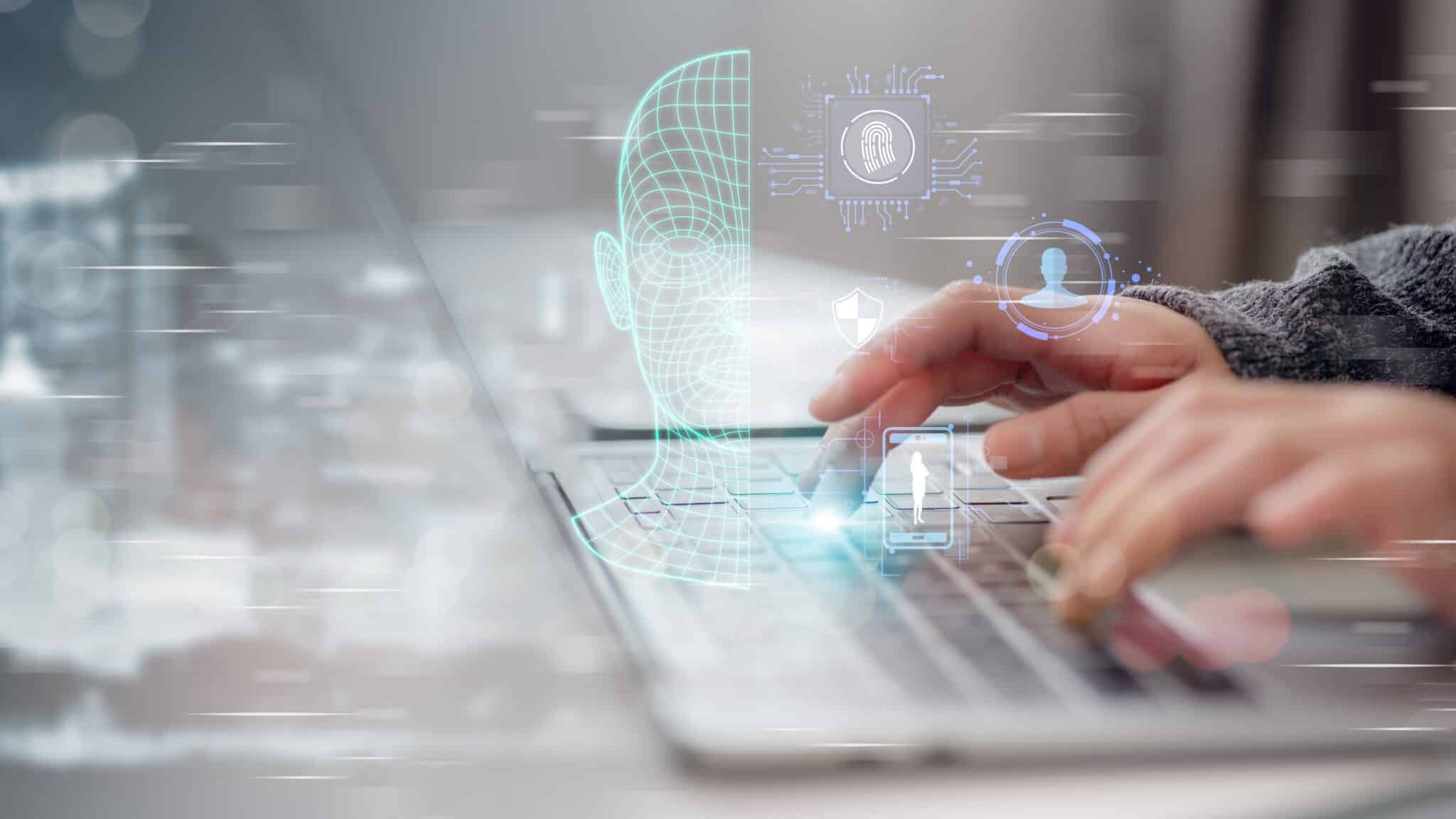
The initiative comes on the heels of alarming statistics from cybersecurity firm iProov, which processed over one million daily authentication checks in 2025, illustrating the growing challenges enterprises face due to synthetic identity attacks fueled by generative AI. Gartner research indicates that 62 percent of organizations experienced a deepfake attack within the past year, underscoring the criticality of addressing identity manipulation as a primary entry point for cybercriminals.
In just one year, iProov documented a staggering 2,665 percent increase in native virtual-camera attacks and a 300 percent rise in face-swap attempts. The report also highlighted that only 0.1 percent of consumers could reliably detect deepfakes, reinforcing concerns that the public is increasingly susceptible to AI-generated deceptions.
Under the newly established framework, the PCO will spearhead public information efforts, the DOJ will handle legal enforcement, and the DICT will deliver technological support, including cybersecurity capabilities and monitoring systems. DICT Secretary Henry Aguda emphasized the importance of adopting innovative technologies to counteract the rapid spread of deepfakes, noting that “this is no longer just a rumor. Now, lies can look real.”
The challenges posed by AI-driven deepfakes and synthetic identities are particularly pronounced in Southeast Asia, where the rapid digital growth is outpacing regulatory frameworks. Dominic Forrest, Chief Technology Officer at iProov, expressed concern in an interview with Cybersecurity Asia, stating that such technologies “are being actively weaponized to move money and take over accounts.” The region’s surge in mobile banking and online services makes it an attractive target for fraudsters leveraging synthetic media.
iProov’s Security Operations Center (iSOC) has identified live operations from a group named Grey Nickel, which systematically targeted organizations in the Asia-Pacific region. These fraudsters employed advanced techniques such as face-swap technology and metadata manipulation to evade single-frame liveness verification systems used by banks and payment platforms.
To counteract these threats, Forrest advocates for a shift away from traditional active liveness checks, which generative AI can easily mimic. He argues that passive liveness solutions, like iProov’s Dynamic Liveness technology, offer a more robust defense against these sophisticated attacks.
iProov’s technology has gained traction across various sectors, including government and finance, with deployments in the Philippines at UnionDigital Bank and Vietnam’s MoMo platform. As the Philippine government bolsters its defenses against digital misinformation, the initiative is seen as an essential step towards safeguarding public trust and security in an era increasingly defined by technological deception.
See also AI Chatbot Enhances Online Safety for Seniors, Promotes Digital Confidence and Inclusion
 Federal AI Adoption Surges to 3,600 Use Cases as Agencies Overcome Key Challenges
 China Reveals AI+Education Plan Aiming for Comprehensive AI Integration by 2030
 Egypt Integrates AI Across Key Sectors to Boost Economic Growth and Digital Transformation
 iDox.ai Launches Legal Service Edition for AI-Powered Redaction with Explainable Compliance