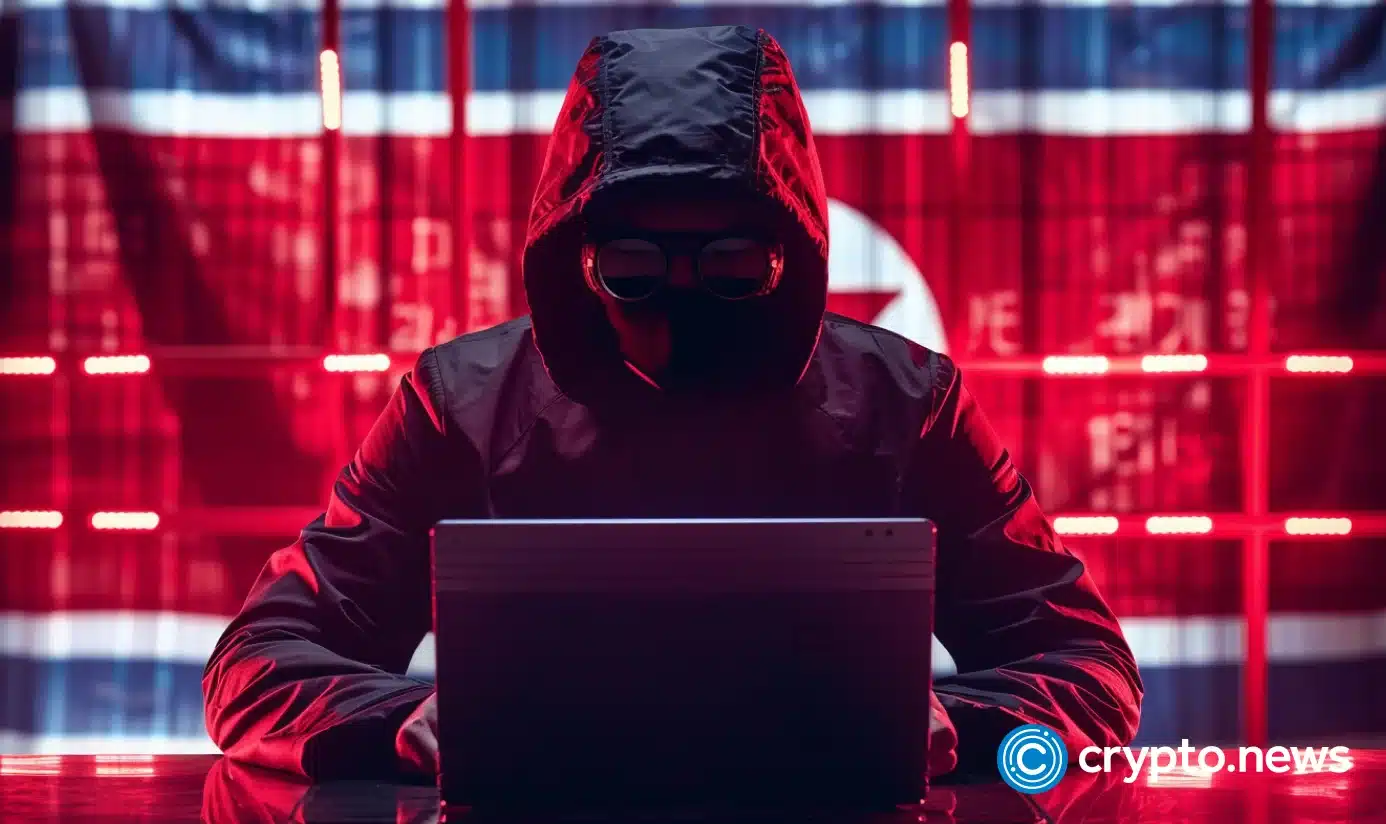
North Korean hackers have successfully breached the security of Zerion, a well-known crypto wallet provider, utilizing artificial intelligence to manipulate employees and compromise sensitive information. This incident, which resulted in a theft of approximately $100,000 from the company’s hot wallets, serves as a grave reminder of the evolving threats posed by state-sponsored cybercriminals in the digital asset sector.
Zerion confirmed the breach on Wednesday, noting that the attackers managed to hijack active login sessions and credentials of its team members, thereby accessing private keys. Despite the significant nature of the attack, Zerion’s internal investigation found that user funds and core infrastructure remained secure, although the web application was temporarily taken offline as a precautionary measure.
This breach follows a prior exploit involving Drift Protocol, which saw a staggering $280 million siphoned as a result of a sophisticated intelligence operation rather than a mere technical flaw. The increasing trend of AI-enabled identity theft within the cryptocurrency industry raises alarms among security analysts, who warn that such incidents could become more common as hackers refine their tactics.
The Security Alliance (SEAL) has recently identified and blocked 164 malicious domains linked to the North Korean group known as UNC1069. Their research highlights a pattern of “multiweek, low-pressure social engineering campaigns” targeting crypto firms via platforms like Slack, Telegram, and LinkedIn. By impersonating trusted colleagues or established brands, these hackers gradually erode defenses before deploying harmful payloads.
“UNC1069’s social engineering methodology is defined by patience, precision, and the deliberate weaponization of existing trust relationships,” SEAL observed in its findings. This approach is becoming increasingly effective, particularly as generative tools improve. Google’s Mandiant unit has documented the use of AI in crafting deepfake images and videos that allow hackers to masquerade as legitimate participants in virtual meetings, further complicating the cybersecurity landscape.
MetaMask developer Taylor Monahan emphasized that such tactics are not entirely new but represent a refinement of longstanding strategies. North Korean IT professionals have, for years, integrated themselves into decentralized finance projects and crypto firms, often functioning as legitimate contributors while executing covert operations.
The blockchain security firm Elliptic has articulated that the risk profile for the cryptocurrency industry is undergoing a fundamental shift. “The evolution of the DPRK’s social engineering techniques, combined with the increasing availability of AI to refine and perfect these methods, means the threat extends well beyond exchanges,” the firm noted. Individual developers and any personnel with access to internal systems are now seen as critical entry points for state-sponsored theft.
As the digital currency landscape continues to evolve, the sophistication of threats posed by actors like UNC1069 suggests that organizations must adapt their security protocols accordingly. The integration of AI into social engineering tactics represents a significant escalation in the capabilities of cybercriminals, necessitating a reevaluation of existing defenses. This incident underscores the urgent need for increased vigilance and advanced security measures as the lines between legitimate and malicious actors become increasingly blurred.
See also Meta Develops AI Version of Mark Zuckerberg to Enhance Employee Communication
 Authentise Launches Whisper AI to Enhance Engineering Intent Across Workflows
 ASEAN Enterprises Shift to AI Engineering for Scalable, Production-Ready Solutions
 Sadie AI Wins AAHOACON26 Tech Pitch Competition, Enhancing Hotel Revenue with Voice AI
 Durabook Launches R10 Rugged Tablet with Intel Core Ultra 200V and AI Capabilities