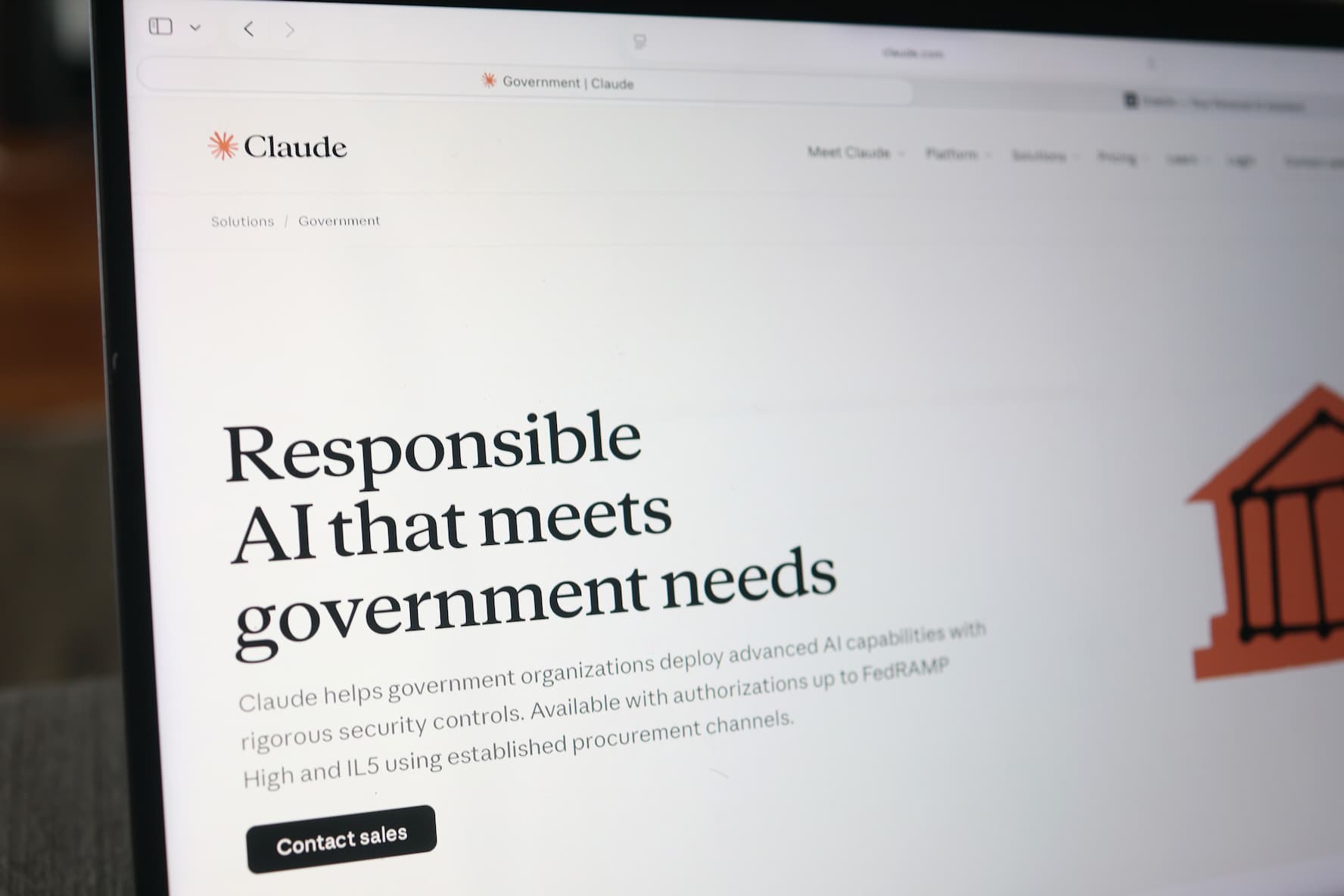
Three consecutive U.S. administrations have prioritized the adoption of artificial intelligence (AI) within the federal government. The Trump administration’s AI Action Plan underscored AI’s potential to enhance government responsiveness, while the Biden administration continued these initiatives in 2023, emphasizing risk assessments and hiring surges for AI talent. A recent report assessing AI adoption across federal agencies from 2023 to 2025 reveals significant progress alongside persistent challenges that could hinder its broader implementation.
Despite the acceleration in AI adoption over the past three years, the technology’s usage remains concentrated in a few large agencies. Challenges such as workforce capacity constraints, a risk-averse culture, and procurement hurdles continue to slow down efforts. The report highlights that although the federal government has documented over 3,600 AI use cases by 2025—69% more than in 2024—adoption varies significantly across different agencies.
The growth in AI use is partly attributed to clearer reporting guidance from the Office of Management and Budget (OMB) and the political emphasis on AI from both the Trump and Biden administrations. The Trump administration mandated agencies to report AI use cases in 2020, ultimately leading to a surge in data-driven decision-making and cross-agency collaboration. The Biden administration built on this momentum with a focus on high-impact use cases that could directly benefit the public.
However, the report indicates that five large agencies dominate AI use case reporting, collectively accounting for 76% of total documented cases in 2025. Meanwhile, smaller and midsize agencies have seen a decline in their share of reported use cases, despite growing awareness of AI’s potential. This disparity suggests that while larger agencies are scaling their AI efforts rapidly, smaller entities face notable barriers related to resources and expertise.
Challenges to AI Adoption
The report identifies several obstacles that could undermine AI integration in federal operations. Foremost among these are the inadequate supply of AI-specialized talent and a culture of risk aversion that discourages experimentation. Despite a decade-long effort to enhance technical talent in the federal workforce, the hiring of AI professionals remains challenging due to low salaries compared to the private sector, slow hiring timelines, and limited career advancement opportunities.
Recent initiatives, such as the bipartisan push for a U.S. Tech Force, aim to streamline the hiring of AI professionals. However, data shows that only a small fraction of federal technical job listings explicitly require AI capabilities, indicating a persistent gap in the workforce skilled in this domain. Although the number of these listings has risen, they currently represent less than 3% of total technical job postings.
Moreover, the federal government’s risk-averse culture poses a significant barrier to embracing innovative technologies. Many technologists cite a lack of leadership support as a significant challenge to scaling AI projects, with senior officials often reluctant to divert funding from established priorities. The report emphasizes that nearly 60% of AI use cases remain in the pilot or pre-deployment stages, underscoring the need for ongoing investment in education and experimentation.
Further complicating the landscape is public skepticism towards AI technologies, with recent surveys showing that nearly half of Americans express more concern than excitement about AI’s growing role in society. This skepticism is compounded by the absence of comprehensive federal AI legislation and fears over potential biases in AI systems. The report suggests that public trust in governmental AI initiatives is crucial for their successful deployment, particularly in areas like law enforcement and health care, where high-stakes decisions are made.
Addressing these challenges will require a multi-faceted approach. The report calls for expanding technical talent support, clarifying fixed-term talent programs, and improving civil service hiring processes to attract AI experts. Additionally, fostering a culture that values innovation and experimentation, while simultaneously addressing public concerns about AI risks, are essential steps for successful integration.
As the federal government continues to ramp up its AI capabilities, the stakes for getting this right are considerable. Missteps in AI deployment could erode public trust and lead to significant consequences, as seen in various international instances of AI failures. With trust in the federal government at historic lows, effectively executing AI projects that prioritize public benefit could help rebuild confidence in democratic institutions and their ability to serve the American people.
See also China Reveals AI+Education Plan Aiming for Comprehensive AI Integration by 2030
 Egypt Integrates AI Across Key Sectors to Boost Economic Growth and Digital Transformation
 iDox.ai Launches Legal Service Edition for AI-Powered Redaction with Explainable Compliance
 Japan’s Justice Ministry Launches Study Panel on Generative AI Misuse Risks