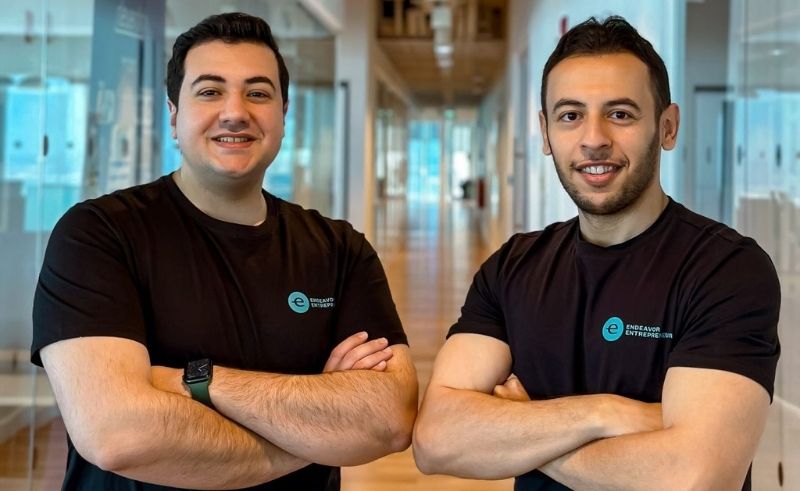
iSchool has acquired the software engineering firm Rubikal, marking a strategic shift aimed at enhancing its technology infrastructure for educational institutions. This acquisition integrates Rubikal’s entire team and leadership, including co-founder Mohamed Ibrahim, who has been appointed as Chief Technology Officer, and co-founder Moustafa Badawy, who joins as Vice President of Engineering. The partnership has evolved from a three-year collaborative relationship, during which Rubikal served as a core engineering partner, assisting in the development and scaling of iSchool’s platform.
As part of this transition, iSchool plans to focus on creating AI-driven tools and platform infrastructure designed specifically for the education sector. This initiative comes at a time when the demand for innovative educational solutions is rising globally. iSchool currently operates in over 20 countries and boasts more than 150,000 graduates. It also maintains partnerships with various government and institutional clients, underscoring its commitment to enhancing educational delivery.
Rubikal has a proven track record, having previously delivered engineering services for clients such as Discovery Inc, The Walt Disney Company, and Vestaboard. The integration of Rubikal’s engineering capabilities into iSchool is a notable step toward consolidating product development internally, particularly in the areas of artificial intelligence and data infrastructure. This move reflects a broader trend in the edtech sector, where companies are increasingly opting to bring engineering expertise in-house rather than relying on outsourced or distributed teams.
The decision to absorb Rubikal’s team indicates iSchool’s ambition to strengthen its operational capacity and enhance its technological offerings. As the education landscape evolves, the incorporation of AI-driven learning systems and internal tools could position iSchool as a leader in the edtech space. The shift not only aims to improve the efficiency of educational delivery but also promises to deliver personalized learning experiences for students across different regions.
The acquisition aligns with a growing recognition within the edtech industry that robust technology infrastructure is crucial in meeting the demands of modern education. As more educational institutions seek to adapt to digital learning environments, companies that can effectively harness AI and data analytics will likely gain a competitive edge. iSchool’s proactive approach demonstrates its commitment to innovation and its readiness to address the future of education through technology.
Looking forward, the integration of Rubikal’s engineering talent is expected to accelerate iSchool’s development of advanced educational solutions. By focusing on AI-centric tools, iSchool aims to respond to the unique challenges faced by educators and institutions, enhancing learning outcomes and expanding access to educational resources. The move not only reinforces iSchool’s market position but also reflects the increasing importance of technological advancement within the education sector as it continues to evolve.
See also Colleges Embrace Oral Exams to Combat AI Cheating and Revive Critical Thinking Skills
 Tech Freelancers Split: 43% See AI as Boost, 36% Expect Job Threats
 Oxford Royale Partners with MIT to Launch AI Literacy Programme for 3,000 Students
 Google.org Open Sources AI Readiness Playbook to Help Foundations Fund Social Impact Projects