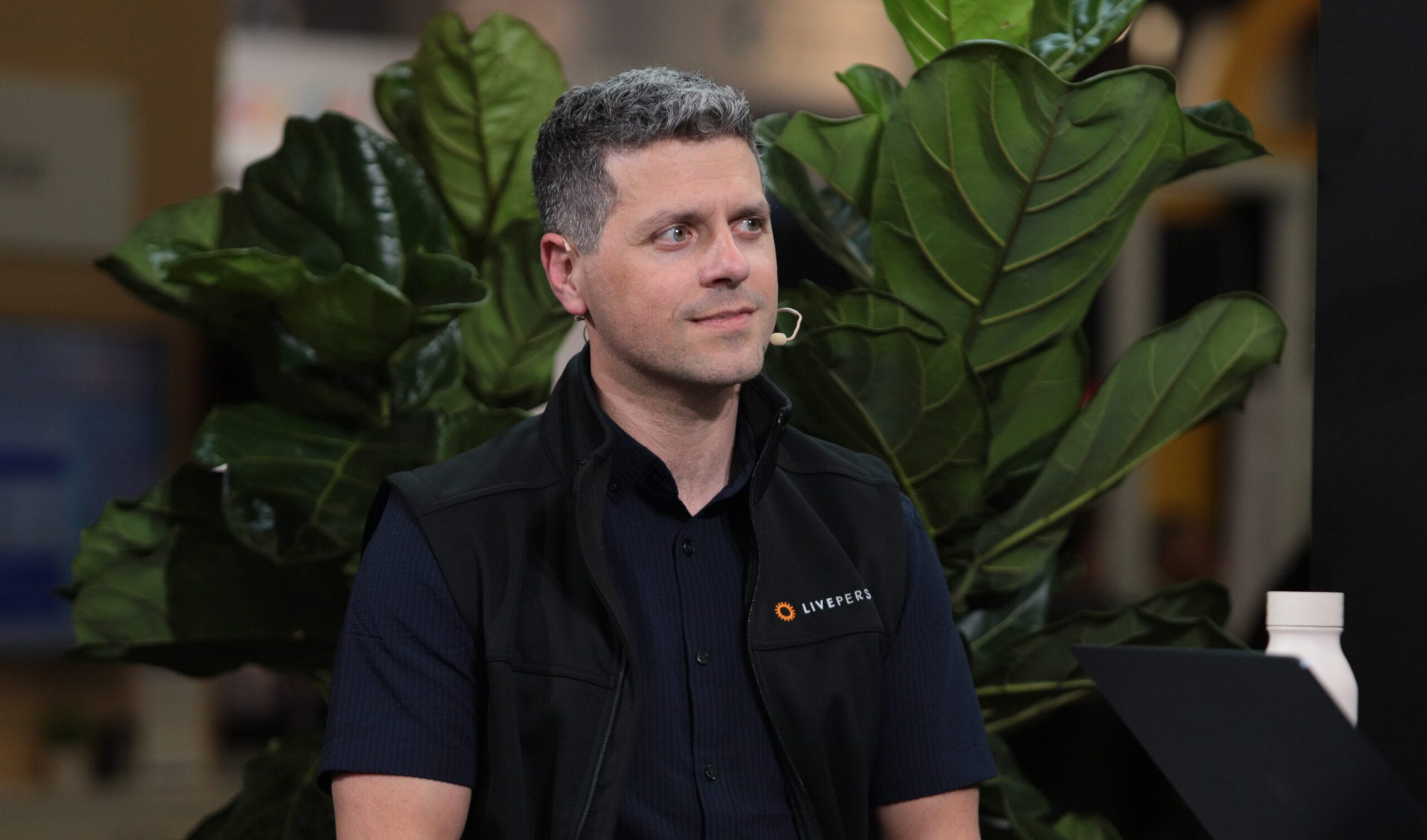
Enterprises are increasingly channeling investments into artificial intelligence (AI) to enhance customer experience, yet many initiatives falter before reaching implementation. According to Chris Mina, the chief product and technology officer at LivePerson Inc., a significant barrier to adoption is a pervasive confidence gap within organizations. While companies may create compelling proof-of-concept workflows and conduct successful demonstrations, they often hesitate when confronted with edge cases or when legal and security teams raise concerns. This hesitation has kept AI adoption in the customer service sector stagnated in the single digits, even as consumer expectations for AI-driven service continue to rise.
“They build these great proof of concepts. They have these workflows — and they sit around,” Mina stated during an interview with John Furrier and Alison Kosik of theCUBE at Google Cloud Next. “They run some happy path use cases and say, ‘Wow, this is amazing.’ Then they hit the edge cases and they stop.” He emphasized that this paralysis is a key factor hindering the broader rollout of AI solutions in enterprises.
To combat this confidence gap, LivePerson has developed Syntrix, a testing platform designed to allow brands to simulate thousands of customer scenarios using synthetic users and generative test cases before launching a new agent or marketing campaign. The objective is to provide brands with documented evidence required to satisfy internal checks and approvals. Mina noted that when enterprises encounter roadblocks, whether from security, legal, or AI councils, they can present a comprehensive set of data that demonstrates exhaustive testing across various scenarios. “We feel confident, and we’ve got the data and evidence to back it,” he explained.
In addition to testing, LivePerson has introduced a “guardian agent,” which monitors 100% of live conversations in real time, evaluating whether each interaction is proceeding as intended or needs escalation. Mina elaborated that the company has also been undertaking a major overhaul of its infrastructure, recently concluding a multi-year migration to Google Cloud. This transition enables customers to access Gemini models and benefit from hyperscale reliability, effectively shedding two decades of on-premises technical debt. With the foundation now established, the focus shifts to meeting the escalating expectations of consumers.
“You can’t stop this train as it’s moving forward,” Mina asserted. “The promise is there to the market. Consumers expect it. We need to help all the brands deliver on this promise safely and securely.” The urgency for companies to integrate AI into their customer service frameworks is underscored by the recognized demand from consumers for effective, AI-driven interactions.
As enterprises grapple with the intricacies of AI adoption, the insights from industry leaders like Mina highlight the importance of preparedness and robust testing frameworks. The conversation around AI in customer experience is not just about implementation; it involves a strategic approach to overcoming challenges that could impede progress. With ongoing advancements in technology and increasing consumer expectations, organizations may find themselves at a critical juncture where proactive measures are essential for future success.
See also BDC Launches $500 Million LIFT Program to Help 1,000 SMEs Adopt AI Solutions
 Google Unveils Gemini Enterprise Agent Platform with Advanced AI Tools and TPU 8t/i Chips
 AI-Driven Andon Market in San Francisco Struggles with $13K Loss and Staffing Issues
 OpenAI Poaches Top Executives from Struggling Software Giants Amid Stock Declines