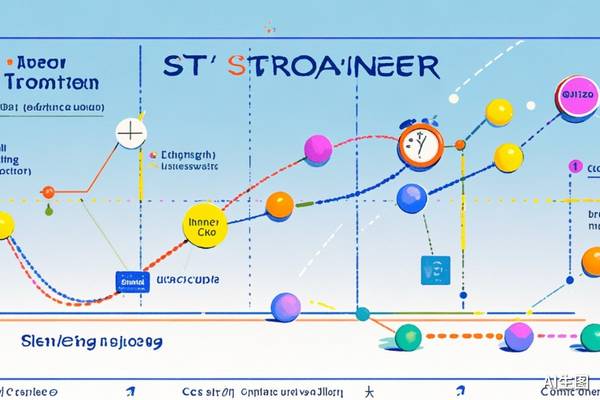
STReasoner, a pioneering reasoning model, has emerged as a significant advancement in the realm of artificial intelligence. Developed by a research team from Emory University, Microsoft, and Griffith University, this model integrates time series analysis, spatial structure, and natural language processing to address complex problems in real-world systems, such as transportation networks and disease spread. Unlike traditional prediction models that primarily focus on accurately forecasting future values, STReasoner emphasizes causal and structural reasoning, enabling it to effectively identify the sources of anomalies and predict future developments while maintaining low computational costs.
In many real-world applications, critical questions arise regarding anomalies, such as “Which node caused the current anomaly?” and “How does the impact spread along the spatial structure?” These intricate inquiries necessitate a multi-step reasoning approach that single-point predictions cannot satisfy. STReasoner first identifies the moment of the anomaly, traces the potential impact path through the network, and assesses the propagation delay among nodes. This process requires a thorough integration of temporal dynamics, spatial dependencies, and structured reasoning across nodes and time steps.
The challenges in developing spatio-temporal reasoning capabilities have been underscored by three key issues: a lack of high-quality aligned data, absence of systematic evaluation frameworks, and difficulties in effective model training mechanisms. Existing datasets rarely encompass time series, spatial structures, and corresponding natural language descriptions, hindering the model’s ability to learn reasoning. To address these challenges, the research team created a controllable data generation framework and introduced the unified evaluation benchmark, ST-Bench.
STReasoner utilizes a sophisticated data generation process involving a Network Stochastic Differential Equation (SDE) and a Multi-Agent system, which produces three types of aligned data: time series that reflect system changes over time, graph structures that illustrate node interactions, and natural language descriptions that contextualize these changes. This approach establishes a coherent framework for generating data conducive to training spatio-temporal reasoning models. The benchmarks encompass four specific tasks that form a complete reasoning chain: causal tracing, entity recognition, correlation reasoning, and spatio-temporal prediction.
The model’s architecture hinges on processing time series, spatial structures, and natural language queries simultaneously. To achieve this, STReasoner employs a three-stage training strategy. The first stage, Modal alignment, leverages automatically generated question-answer data to facilitate learning relationships between the various data types. The second stage involves injecting reasoning capabilities through supervised fine-tuning, while the third stage enhances reasoning through a reinforcement learning mechanism called S-GRPO, designed to encourage the model to utilize spatial structures effectively.
Experimental results indicate that STReasoner outperforms existing open-source methods in tasks emphasizing causal and structural reasoning, such as causal tracing and spatial correlation reasoning. In the spatio-temporal prediction task, STReasoner maintains performance comparable to closed-source models, demonstrating that it achieves a balance between achieving accurate numerical predictions and maintaining reasoning capabilities. Remarkably, the model operates at a mere 0.004 times the computational cost of its closed-source counterparts.
To assess the model’s generalization capabilities, researchers conducted zero-shot tests on real-world data. Results showed that STReasoner’s performance not only held steady but also significantly surpassed expectations, suggesting that it has acquired transferable spatio-temporal reasoning abilities. The model’s training was based solely on synthetic data, yet it demonstrated an impressive capacity to accurately identify causal relationships in real scenarios, validating the effectiveness of its data generation methods.
STReasoner’s success can be attributed to several key design elements, including its time series encoder, which retains temporal information; the comprehensive three-stage training approach that gradually enhances reasoning abilities; and the S-GRPO mechanism, which ensures that the model leverages structural insights rather than relying solely on temporal patterns. These factors collectively underscore the model’s potential to revolutionize the way complex spatio-temporal problems are approached in various fields.
See also ComfyUI Secures $30M Funding to Enhance Modular AI Image Generation Tools
 Angela Mastronuzzi Hosts Key Conference on Multimodal Liver Imaging and AI Innovations
 Kimg AI Enhances Freelancers’ Efficiency with Rapid Image Generation Tools
 IS Dongseo Launches Generative AI Training to Enhance Employee Productivity and Skills
 Consumers Reject AI-Generated Content as Trust Drops 54% in 2026, Says MyTSV Report