
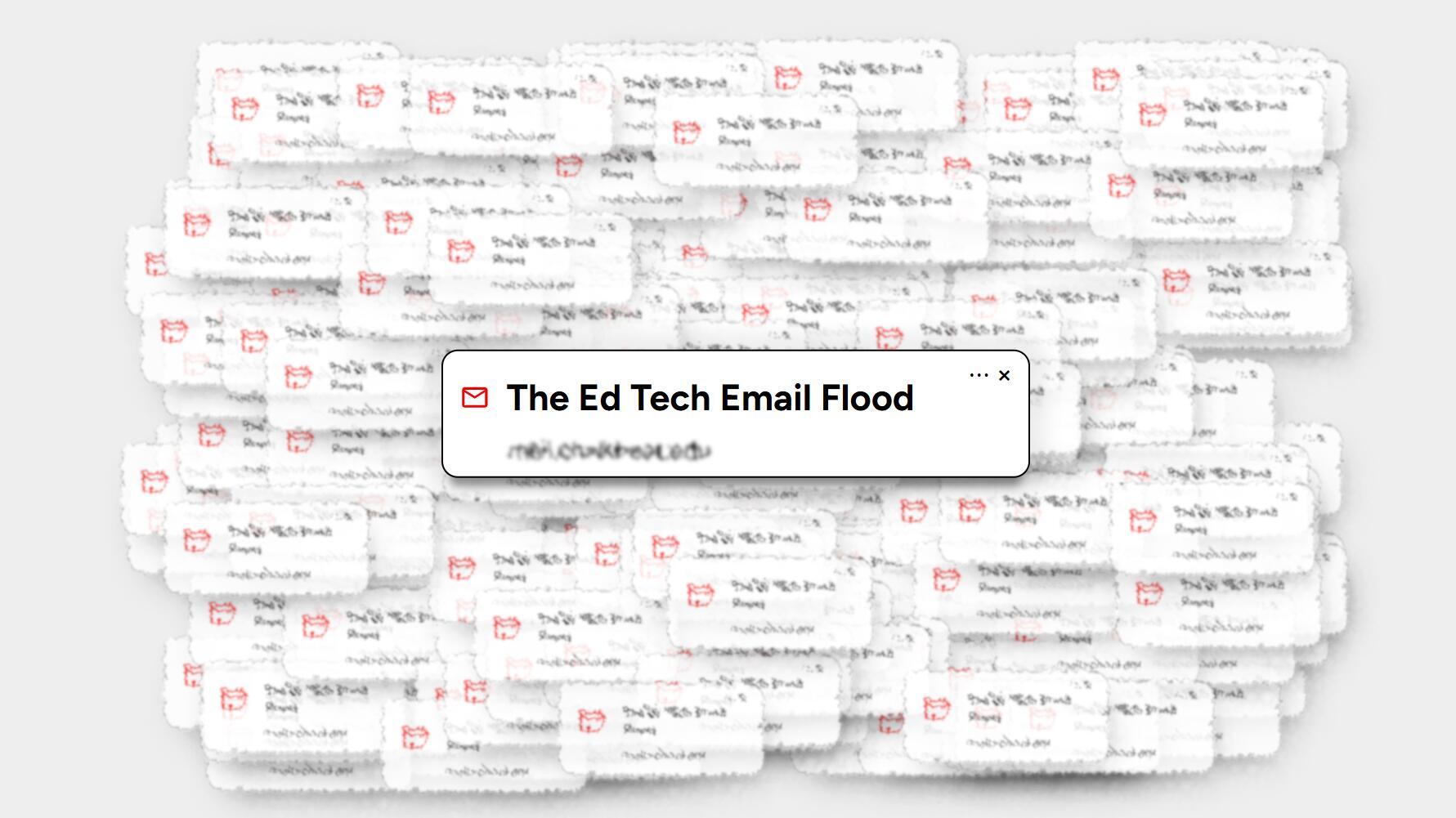
In a revealing glimpse into the burgeoning world of educational technology, superintendents across the United States are inundated with solicitations from various companies looking to tap into public school funding. On a single day in March, four superintendents shared more than 90 emails from 79 different ed tech firms, highlighting the increasing competitive landscape for educational resources.
This phenomenon, reported by national journalist Lily Altavena of Chalkbeat Chicago, underscores how artificial intelligence is not only fueling the development of new educational products but is also prompting companies to aggressively pursue taxpayer dollars. As schools seek innovative solutions to enhance learning outcomes, the number of startups and established companies targeting this sector has surged.
The deluge of emails serves as a stark reminder of the growing intersection between technology and education, where superintendents often find their inboxes filled with pitches that promise to revolutionize classrooms. The inquiries range from sophisticated AI-driven learning platforms to more traditional educational tools, reflecting a diverse array of options available to schools struggling with budget constraints and a push for modernization.
Superintendents are being strategically targeted by these companies as they hold significant influence over purchasing decisions. With budgets increasingly tied to technology offerings, the pressure on school administrators to make informed choices has intensified. The flood of correspondence suggests that many firms are eager to capitalize on this trend, showcasing the potential of artificial intelligence in transforming educational practices.
While the volume of emails may seem overwhelming, it also points to the potential for innovation within the education sector. As companies leverage AI to create tailored solutions that cater specifically to the needs of schools, the hope is that these products will enhance learning experiences and improve student outcomes. However, the challenge remains for superintendents to sift through the noise and identify solutions that genuinely meet their districts’ needs.
As AI continues to evolve, the educational technology market is likely to see further expansion. With the integration of advanced analytics and personalized learning pathways, many believe that the next generation of educational tools could significantly alter how instruction is delivered. However, questions remain regarding the efficacy of these products and the long-term implications for public education funding.
The insights shared by the superintendents reflect a broader trend in the educational landscape, where the demand for technology-driven solutions is not only reshaping the market but is also prompting deeper discussions about responsible spending and effective implementation. As districts navigate this new terrain, the balance between innovation and practicality will be critical in determining the future of educational technology.
Looking ahead, the intersection of AI and education is poised for further exploration. With growing investment in ed tech and increasing reliance on digital solutions, the landscape will likely continue to evolve. For superintendents and decision-makers, the ability to discern which technologies will provide real value to their students will be essential in ensuring that public education remains effective and equitable in an increasingly digital world.
See also Los Angeles School Board Limits Tech Use in Classrooms Following Parent Backlash
 AI Leaders Emphasize Need for AI Literacy in Education at EduVision Summit 2025
 Hive Colab Launches Mastercard Foundation EdTech Fellowship for 36 African Ventures
 Parents and Educators Push for AI Moratorium at NYC School Board Meeting
 Khan Academy Launches $10K AI Degree Program in Partnership with TED and ETS