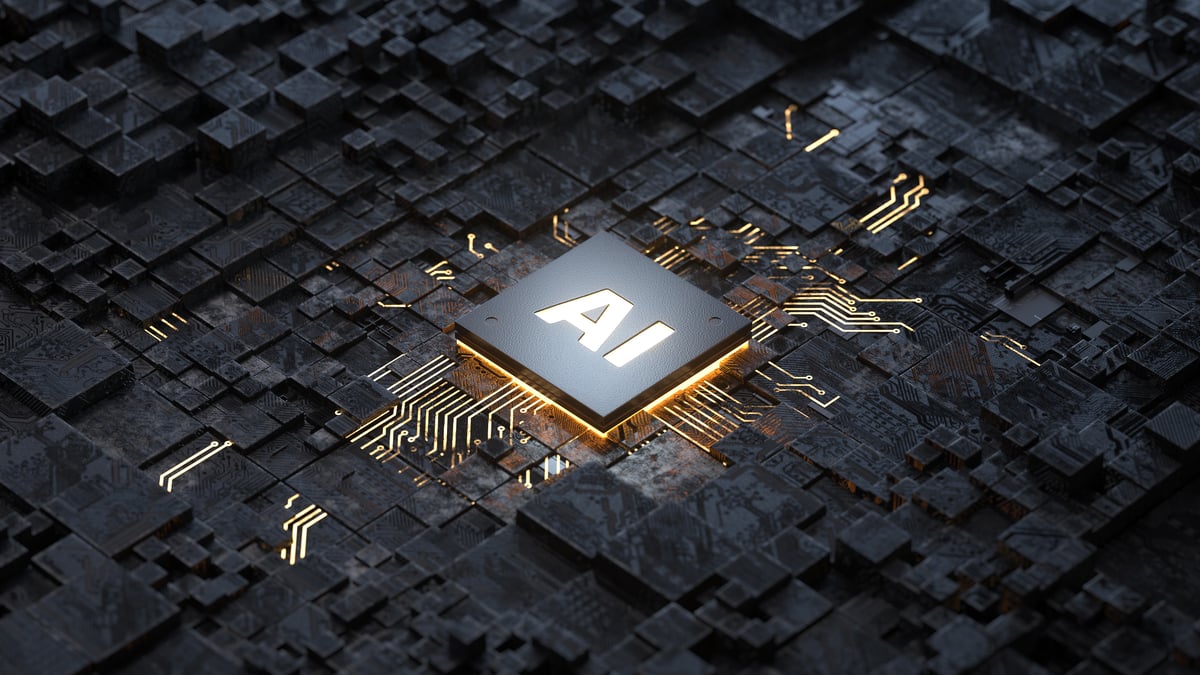
As the landscape of artificial intelligence continues to evolve, neocloud providers are increasingly capturing attention in the tech sector. While AI chips serve as the core hardware, the effective deployment of these chips relies on a range of supporting components and infrastructure. Leading this charge are Iren and Nebius, both of which have entered into significant multiyear contracts with major technology companies, positioning themselves as frontrunners in the emerging neocloud industry.
Both Iren and Nebius are engaged in the construction of AI data centers, which they lease to hyperscalers such as Microsoft and Meta Platforms. These lucrative agreements have led to contracts that ensure over $1 billion in annual recurring revenue, underscoring their potential for profitability. However, a detailed analysis is required to determine which of the two companies presents a more favorable investment opportunity.
Recent developments highlight the competitive nature of their business models. For example, Iren and Microsoft secured a five-year deal valued at $9.7 billion, providing the tech giant with 200 megawatts of critical IT load. In contrast, Nebius struck a more substantial five-year agreement with Microsoft for $17.4 billion, granting access to a 300-megawatt AI data center located in Vineland, New Jersey. Such contracts are often established even before the necessary infrastructure becomes operational, showcasing a willingness among tech companies to commit resources well in advance.
Investor interest in these firms is piqued by the potential revenue generated from energy contracts. Nebius has been particularly active in recent deal-making, recently signing two contracts with Meta Platforms worth a combined $27 billion over the next five years. This marks a notable achievement, especially given that Iren has not announced a significant deal since last November, leading to some disappointment among its investors.
Despite the lack of recent contracts, Iren remains optimistic, hinting at ongoing negotiations as it gears up for its fiscal 2026 Q3 results. The company’s ability to secure new deals will be pivotal, especially as its Sweetwater 1 project, boasting 1.4 gigawatts of capacity, is expected to be energized soon. Iren has consistently met deadlines, which adds to investor confidence in its upcoming projects.
The Capacity Advantage
While Nebius has outpaced Iren in recent contracts, Iren possesses a distinct advantage in terms of capacity. The company recently acquired a site in Oklahoma capable of delivering 1.6 gigawatts of critical IT load, raising its total portfolio potential to 4.5 gigawatts. Currently, only 810 megawatts of this capacity are operational, but as additional gigawatts come online, Iren’s annual recurring revenue is poised for significant growth.
Nebius, on the other hand, aims to secure over 3 gigawatts of contracted power by the end of 2026 and has received approval for a site that can provide 1.2 gigawatts. Additionally, it plans to construct a 310-megawatt AI data center in Finland. While these developments are promising, Iren’s capacity for expansion remains noteworthy. With its current energy contracts generating $3.4 billion in annual recurring revenue from its existing 460 megawatts, the potential for future growth based on its secured power supplies could lead to annual revenues exceeding $30 billion once the planned data centers are operational.
The contrasting trajectories of Iren and Nebius illustrate the complexity of the neocloud market. Nebius may currently have the upper hand in deal-making, but Iren’s greater potential for capacity expansion positions it as a key player in the long run. As both companies navigate the intricacies of their business strategies, the outcomes of ongoing negotiations and project completions will likely shape the future landscape of AI data center services.
See also Jensen Huang Critiques AI Doom Predictions, Calls for Fact-Based Discussions
 Cognizant Announces Layoffs Amid AI-Driven Workforce Restructuring, Sees 6,000 New Hires
 Red Hat Reveals Small Language Models as Key to Scaling Enterprise AI Agents
 Bank of America Warns of Wage Concerns Amid AI Spending Surge
 OpenAI Restructures Amid Record Losses, Eyes 2030 Vision