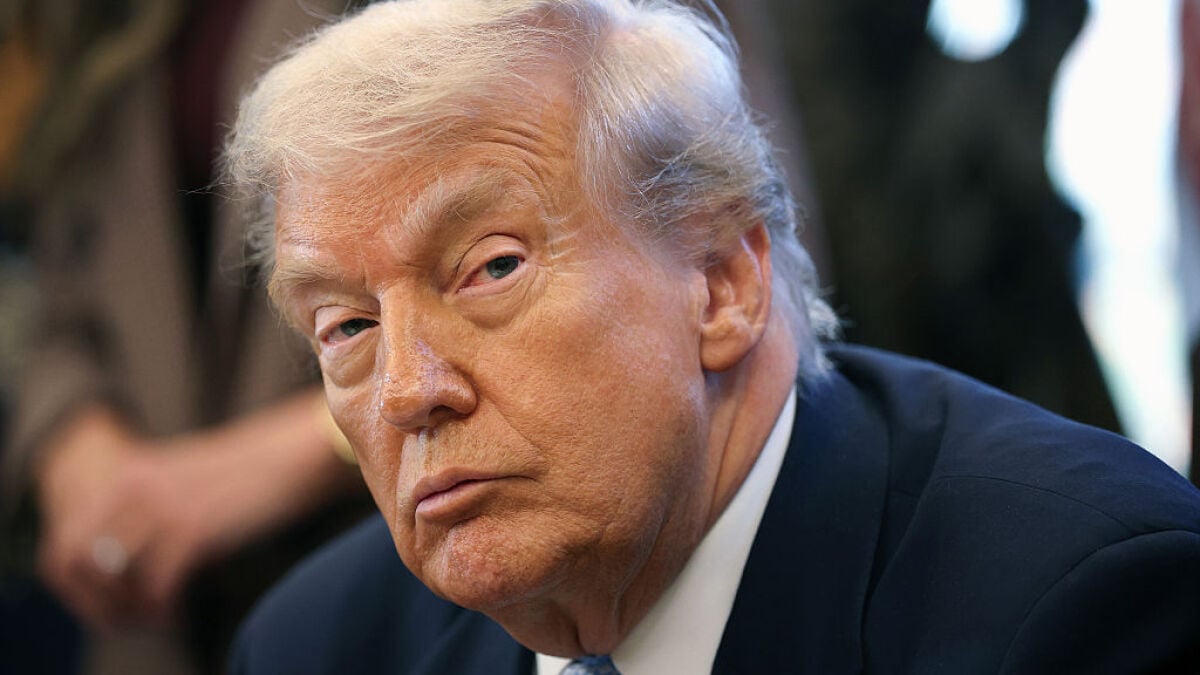
In a significant development concerning artificial intelligence (AI) regulation, U.S. states currently have the autonomy to establish their own AI laws without federal oversight. This is the result of the Trump administration’s decision to pause a proposed executive order that would have prevented states from crafting their own regulations, essentially allowing a state-led approach to AI governance for the time being.
According to a report from Reuters, the draft order, which stirred public concern last week, has not been officially acknowledged by the White House. This suggests that the potential for federal intervention in state AI regulations is not imminent. However, this pause does not eliminate the possibility of future attempts by the federal government to exert control over state-level AI laws.
Background on Regulatory Efforts
This isn’t the first instance where the federal government has sought to limit state control over AI regulation. Earlier this year, a similar measure was overwhelmingly rejected in the Senate, with a vote tally of 99-1 against. The proposed executive order aimed to leverage lawsuits and threaten the withdrawal of federal funding as tools to discourage states from enacting their own AI regulations.
Despite the current standstill, it remains highly plausible that the Trump administration may explore alternative avenues to assert federal authority over state AI legislation. Notably, major tech companies like OpenAI and Google have expressed support for a unified regulatory framework that may favor federal oversight.
Implications for the AI Industry
The ability of states to regulate AI independently opens a complex landscape for the industry. States may adopt varied approaches, potentially leading to a patchwork of laws that could complicate compliance for AI developers and companies operating in multiple jurisdictions. The implications of this regulatory diversity could lead to increased operational costs and varying standards for AI deployment, making it essential for companies to stay informed about state-level regulations.
As states begin to define their own regulations, the AI community must remain vigilant and engaged in discussions surrounding these developments. The ongoing dialogue about AI governance will likely shape the trajectory of the technology and its applications in various sectors, including healthcare, finance, and education.
Overall, while the pause on the executive order provides a temporary reprieve for state regulations, the future of AI governance remains uncertain. Stakeholders at all levels—from policymakers to tech companies—must prepare for a landscape where state and federal regulations may collide or diverge, ultimately influencing the direction of AI technology in the U.S.
See also State Lawmakers Urge Congress to Preserve State AI Regulation Amid National Defense Bill
 AI Risks Spark $500B Market Losses; Expert Urges Urgent Regulatory Action
 AI Regulations: Trump Urges Moratorium as 97% of Americans Demand Oversight
 AI Policy Gaps: Korea Invests 10.1 Trillion Won Amid Global $500 Billion AI Race
 Insurance AI Regulations: 24 States Adopt New Compliance Standards Amid Data Privacy Challenges