Fueled by a boom in artificial intelligence and a growing demand for cloud computing, Michigan is entering a new era characterized by the establishment of massive data centers. Developers across the state are pitching sprawling facilities to house digital infrastructure for major technology companies, promising billions in investment while provoking local opposition.
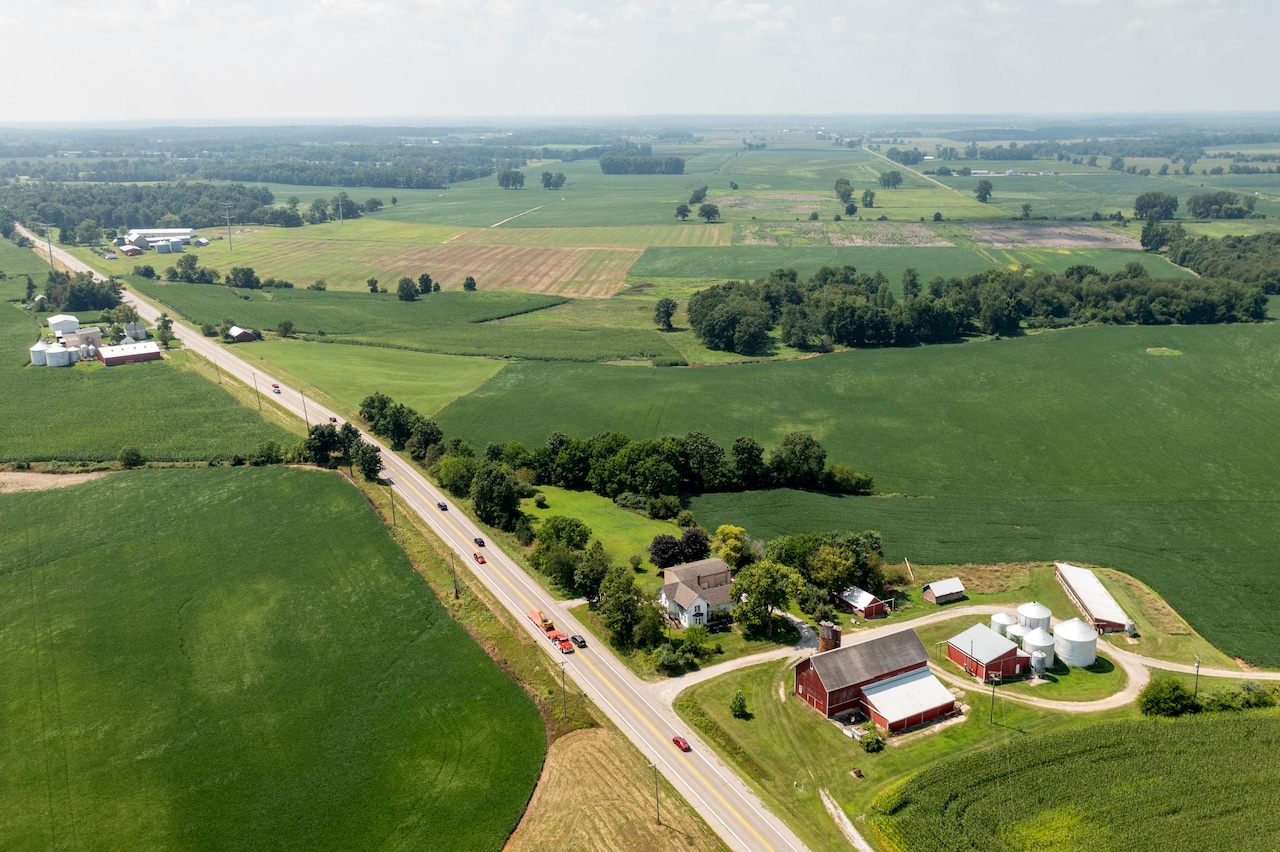
One of the state’s first large-scale projects is proposed for farmland south of Ann Arbor, a collaboration between OpenAI, a leader in AI technology, and multinational firm Oracle, to be developed by Related Digital. This 2.2-million-square-foot data center in Saline Township, along with other proposed sites nearby, is expected to demand more power than some cities, raising environmental concerns and fears over rising electric prices.
The surge in demand for data centers is largely driven by the rapid advancement of artificial intelligence, which necessitates enormous computational power. “Fast computations, AI training – that’s really demanding,” said Mohammed Ben-Idris, a professor in electrical and computer engineering at Michigan State University. “The size is increasing exponentially.” This wave of investment in “hyperscale” data centers, which can draw as much electricity as an entire city, is now beginning to touch Michigan.
Data centers serve as the physical backbone of the internet, housing computer hardware such as servers and data storage systems. According to Dan Diorio, vice president of state policy for the Data Center Coalition, they underpin the entire 21st-century economy. While Michigan already has dozens of smaller data centers, the current trend is towards significantly larger facilities, driven by the likes of Amazon, Google, Meta, and Microsoft.
In an effort to attract these massive projects, Michigan lawmakers recently passed tax breaks exempting large data center equipment and construction materials from the state’s sales and use tax. Governor Gretchen Whitmer signed the law, which took effect in April 2024. Prior to these measures, Michigan was not a contender for such projects, according to Steve DelBianco, president and CEO of the tech industry group NetChoice.
Despite the allure of investment and job creation, critics argue these tax incentives resemble corporate handouts, particularly as previous incentives for data centers have not always resulted in promised job creation. Legislative estimates suggest the new tax breaks could reduce state revenue by more than $90 million by 2065. So far, no data centers have applied for these new incentives, though developers are eyeing areas with robust power grid access, often targeting farmland for its cleared and cheaper land.
Developers have proposed at least 11 potential sites across Michigan, including locations in Livingston, Washtenaw, and Monroe counties. However, fierce local opposition has led to public pushback and some proposals being withdrawn. The Saline Township project has received the green light, with plans to begin construction in early 2026, marking Michigan’s first hyperscale data center project.
The electric demand from these large data centers could significantly impact Michigan’s power grid. For instance, the OpenAI and Oracle project is expected to peak at 1.4 gigawatts, representing a 25% increase in electric sales for DTE, Michigan’s largest utility. DTE has stated it will be the largest single customer in its nearly 140-year history. Meanwhile, Consumers Energy has received inquiries from data center developers totaling about double the peak demand of its entire Lower Peninsula grid.
While the influx of data centers promises economic benefits, including potential tax windfalls and job creation, concerns about rising electricity costs for consumers remain. Consumer watchdogs point to instances in other states where utility customers have faced increased costs due to heightened demand from data centers. Experts caution that the infrastructure necessary to support these facilities can total hundreds of millions of dollars, which may eventually burden existing customers if the anticipated demand fails to materialize.
Environmentalists are also worried that the growing power demand from data centers could undermine Michigan’s goals for reducing reliance on fossil fuels. Bryan Smigielski, an organizer with the Sierra Club, emphasized the need to ensure that the state does not compromise its environmental future on speculative ventures. The challenges posed by the construction of these facilities include potential strain on local water supplies, particularly as some data centers are significant water users.
Despite these concerns, data centers promise substantial economic benefits, with the Saline Township project alone expected to double the annual budget of the township and generate over $14 million in additional benefits from a legal settlement. While developers anticipate creating up to 2,500 jobs during construction, the long-term employment at such facilities tends to be much lower, with the largest data centers typically employing fewer than 150 workers.
As Michigan navigates this pivotal moment in its technological landscape, the balance between economic growth and environmental sustainability will be critical. The state’s ability to effectively manage the implications of this data center boom could shape its economic and ecological future for years to come.
OpenAI, Oracle, Microsoft, DTE Energy, Consumers Energy, Sierra Club.
See also CrowdStrike Discovers Killswitch in DeepSeek-R1, Reveals 50% Code Vulnerability Increase
 Tsinghua University Unveils Optical Processor Achieving 12.5 GHz AI Computation Speed
 Nvidia Stock Plummets Over 3% as Meta Considers $100B Google AI Chip Deal
 Elon Musk Claims His AI Can Defeat League of Legends Champion Faker in Upcoming Match
Broadway’s Marjorie Prime Sparks Urgent Debate on AI’s Ethical Implications in Grief