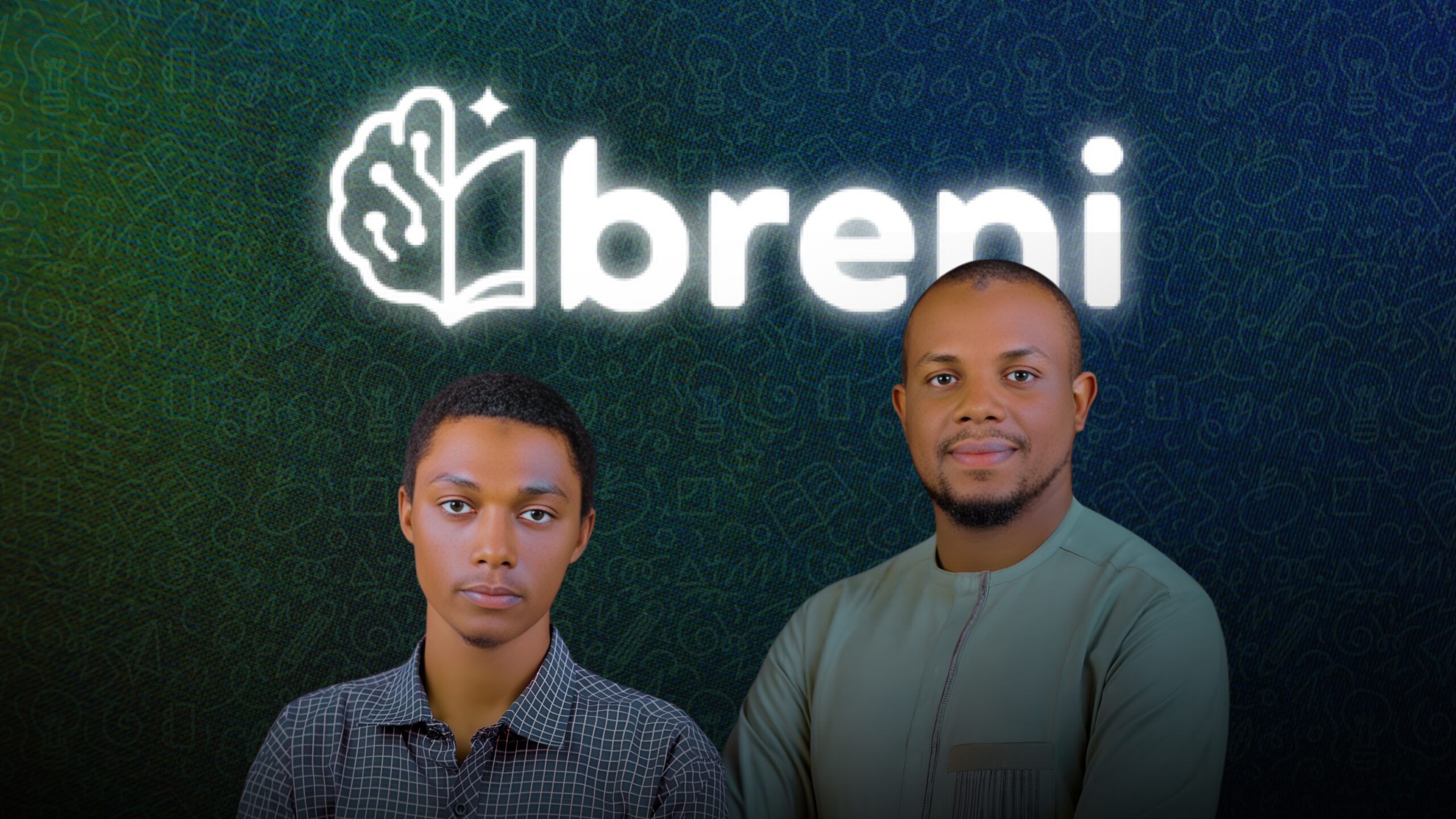
Brení, an AI-powered learning platform from Northern Nigeria, has made a striking debut in the global edtech arena, attracting over 3,000 users across more than 20 countries within just three months of its launch. With its largest user base in Nepal, the platform has also gained traction in countries such as Russia, Uzbekistan, Azerbaijan, the UAE, South Africa, Canada, the US, and the UK. Notably, nearly 90% of its users are located outside Nigeria, and the startup reported a revenue of ₦200,000 ($137) in its first 37 days.
This surge in user engagement comes amidst a turbulent period for Africa’s edtech sector, which is now valued at $400 million, marking a 48% increase since 2024. The broader African edtech ecosystem is projected to reach $4.1 billion by 2025. However, the landscape has been marked by significant upheaval, with notable closures such as Edukoya, once hailed for securing Africa’s largest edtech pre-seed investment, shuttering operations in February 2025. In this challenging environment, Brení’s founders, Abubakar Sadiq Umar and Bilal Abdullahi, are betting on a sector many view as too fragile, yet their gamble appears to be paying off.
In an exclusive interview, Umar, co-founder of Brení, discussed the startup’s rapid rise, describing their journey as akin to that of “the nobody brothers.” This term reflects their ambition to transcend local boundaries and create a global product. “When it comes to tech, if you’re from the northern part of Nigeria, you’re basically underrepresented,” Umar explained. “Our mindset is different. Many startups in the north play it locally; they don’t have that global mindset.”
Brení’s vision aims to democratize education by providing access to quality learning resources, regardless of financial background. The platform offers a tiered service model that includes a free version supported by ads, which users can upgrade to a premium experience if they prefer an ad-free environment. Umar noted that their approach is not limited to language learning, as the platform allows users to learn various subjects in multiple languages.
Umar believes they can establish Nigeria’s first edtech unicorn, a feat that has yet to be achieved in a market dominated by fintech. “Every unicorn here is fintech. Edtech has none. We want to be the first,” he stated. Brení’s growth trajectory has been organic, relying on word of mouth and social media rather than traditional marketing strategies. The co-founders attribute their success to the app’s functionality and user engagement, with individuals across the globe finding value in their platform.
Although they launched the app solely on Android, there are plans to release an iOS version soon, aiming to capitalize on the lucrative iOS user base, which accounts for a significant portion of mobile app spending. As they continue to expand, Brení has already attracted attention from venture capital firms, with conversations underway with five firms and several angel investors. Despite having raised no funds yet, the founders are optimistic about securing capital soon.
The journey has not been without challenges. Umar cited navigating the complexities of Apple’s app approval process as particularly daunting, describing it as a “crazy” experience filled with back-and-forth communications. Nevertheless, they remain focused on strengthening their technology infrastructure and scaling marketing efforts globally, aiming to raise $500,000 for these initiatives.
In the next three years, Umar envisions Brení becoming a household name synonymous with impactful learning. “I want the name to mean impact,” he remarked, highlighting the importance of making learning a fun and personalized experience as opposed to the traditional, rigid educational systems. The platform aims to serve a diverse audience, including children, students, and professionals, emphasizing its unique edge in offering personalized, AI-generated learning experiences.
As Brení continues to disrupt the edtech space, its founders are determined to demonstrate the potential of technology to transform education in Nigeria and beyond. In doing so, they hope to redefine what is possible for startups emerging from underrepresented regions, competing on a global scale. The success of Brení could serve as a catalyst for further innovation in the African edtech landscape, paving the way for future entrepreneurs in the sector.
See also AI Unveils Flaws in Higher Education, Says University of Texas Professor Steven Mintz
 Microsoft Invests €4M in AI Skills to Boost Ireland’s Growth Potential on 40th Anniversary
 University of Delaware Embraces AI in Writing Class, Revealing New Student Challenges
 Tampa Startup ryco Uses AI to Create Custom Curricula for Schools Nationwide
 University of Toronto Hosts Anthropic AI Hackathon Showcasing Innovative ABA Tools