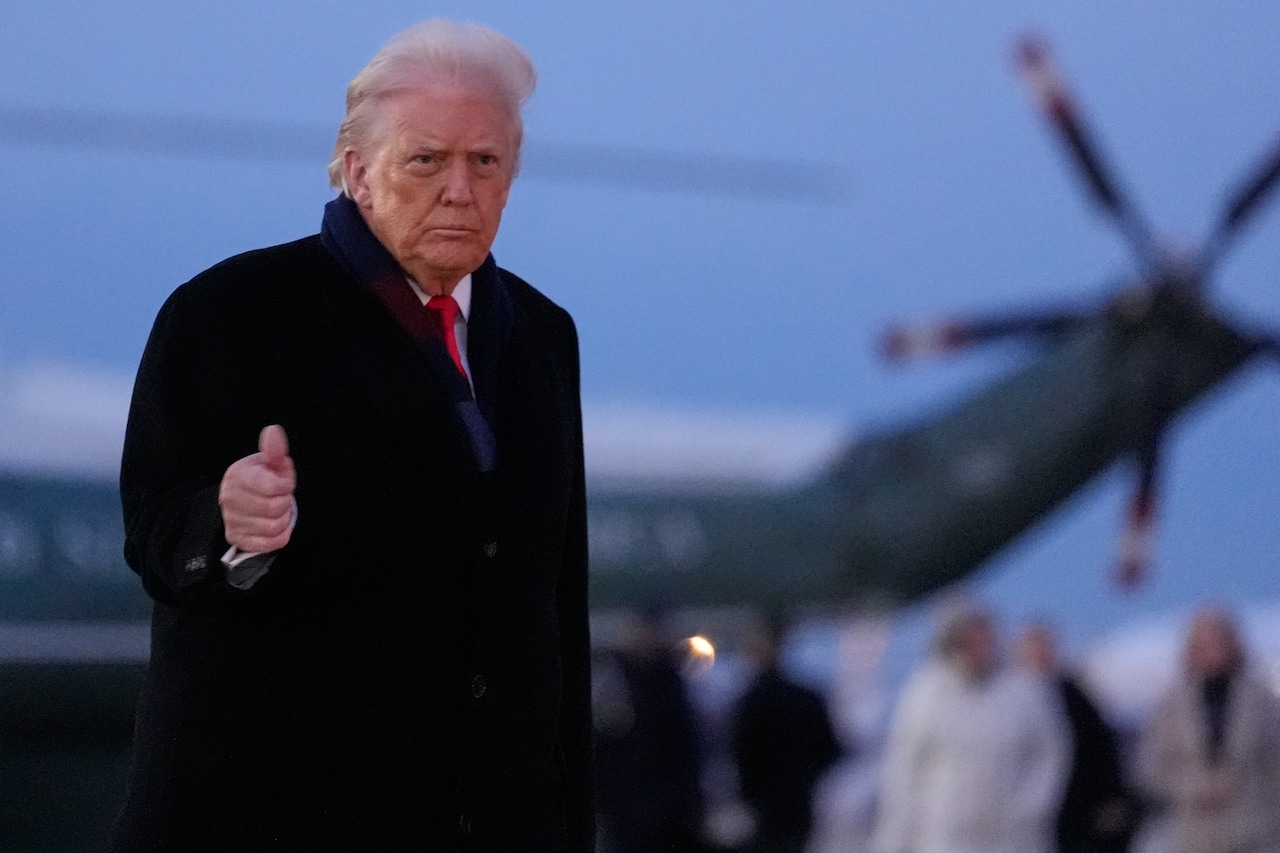
President Donald Trump announced he will issue an executive order this week to establish a single, national standard for artificial intelligence (AI), aiming to preempt state-level regulations. The move comes amid concerns voiced by Trump and other Republicans that inconsistent state laws could impede innovation and growth in the burgeoning AI sector.
In contrast, attorneys general from Michigan and 35 other states have criticized the proposal, warning it could lead to “disastrous consequences for our communities.” They assert that AI technology could disrupt public safety, national security, the economy, and health. In a letter to Congress, they emphasized the need for the U.S. to become an international leader in AI, cautioning that a moratorium on state regulations would hinder progress by limiting states’ ability to adapt swiftly to technological advancements.
On Monday, Trump shared on Truth Social his intent to issue a “one rule executive order” on AI. He previously noted in December that if the U.S. aims to “continue to lead” in AI, there must be a unified regulatory framework. “You can’t expect a company to get 50 approvals every time they want to do something,” he said, asserting that such a scenario “will never work.” He further stressed the importance of a consistent approach, warning that involving multiple state regulations could stifle AI development during its early stages.
The executive order, which is expected to be unveiled shortly, follows a leaked draft from November that suggested blocking state AI legislation. It would instruct federal agencies to identify state regulations deemed burdensome and encourage states not to enact such measures, potentially leveraging threats of withheld federal funding or legal challenges. Moreover, the order would initiate the development of a national regulatory framework that could override existing state laws.
As of early October, four states—Colorado, California, Utah, and Texas—have enacted laws regulating certain aspects of AI, including restrictions on the collection of personal data. Michigan has also implemented regulations concerning AI, such as laws passed in August 2025 that prohibit the creation or distribution of AI-generated pornography featuring real individuals without consent, along with restrictions on AI usage in political campaigns.
Proposed legislation in Michigan by Republican Rep. Sarah Lightner aims to establish felony charges for the misuse of AI systems and mandates large AI developers to implement risk management practices, including third-party audits. Both pieces of legislation are currently awaiting action in House committees. The Mackinac Center for Public Policy, a conservative think tank, echoed Trump’s concerns in a September article, arguing that such regulations could drive AI development out of Michigan.
In addition to Trump’s forthcoming executive order, Congressional leaders have floated the idea of incorporating language that would preempt state AI regulations into federal legislative packages. Michigan Attorney General Dana Nessel, alongside her peers from 35 other states, has consistently opposed these efforts, advocating for states’ rights to swiftly address the evolving challenges posed by AI.
Nessel stated that while AI presents various benefits, it is crucial to maintain avenues for protecting residents from potential harms. “Restricting states from enacting such protections only weakens their responsibility to safeguard the public,” she asserted. In a letter sent to Congress on November 25, she and other attorneys general acknowledged that while AI offers transformative possibilities, it also introduces significant risks, particularly for vulnerable populations such as children.
They highlighted issues such as AI-driven scams, deepfakes, and the mental health impacts of generative AI, calling for a thoughtful approach to regulation. “With this rapidly evolving technology, additional and unforeseeable problems are certain to arise,” they warned. They argued that broadly preempting state protections is misguided, as emerging technologies necessitate flexible regulatory responses tailored to local needs. They also urged federal leaders to collaborate with states in creating a comprehensive framework for AI protection.
See also HHS Reveals 21-Page AI Strategy to Transform Healthcare with Five Core Pillars
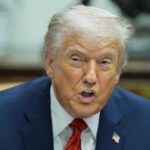 Trump Aims for Federal Control of AI to Prevent State-Level Regulations and Job Losses
 Congress Proposes Regulatory Sandboxes to Enhance AI Innovation Amid State Law Conflicts
 China Proposes World AI Cooperation Organisation to Set Global Safety Standards
 FTC Warns Businesses: Key Legal Risks of AI Chatbots Require Immediate Safeguards