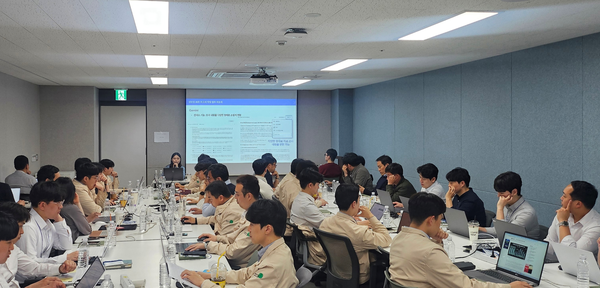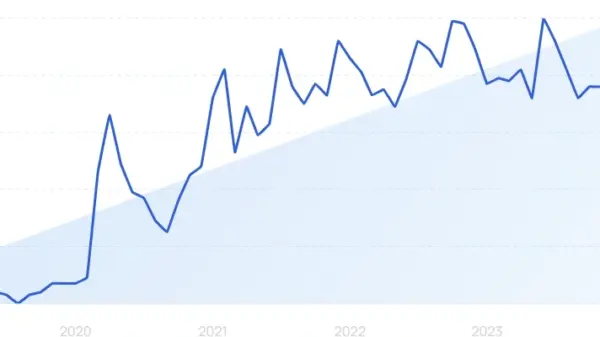
Custom market research has long been characterized by its slow pace and high costs, often requiring months and substantial investments. This inefficiency has forced marketers to make strategic decisions without timely external insights. However, a recent article in Harvard Business Review titled “How Gen AI is Transforming Market Research” highlights a significant shift in this landscape, as generative AI (gen AI) is revolutionizing the collection, creation, and analysis of consumer and market insights—essential elements for effective marketing strategies.
This transition is not merely theoretical; it has garnered attention from influential investment firms. Notably, both Andreessen Horowitz and Foundation Capital have issued investment theses predicting that generative AI will significantly reshape the $140 billion global market-research sector. These firms recognize that the integration of advanced AI technologies can enhance the speed and depth of market insights, ultimately providing marketers with data-driven tools necessary for informed decision-making.
The Evolution of Market Research
The traditional methods of conducting market research often involve a lengthy process of data collection, analysis, and reporting. This can lead to a significant lag in the availability of critical information, impacting marketers’ ability to respond to changes in consumer behavior and market dynamics promptly. With the introduction of generative AI, companies can now access real-time insights that adapt to evolving trends.
Generative AI technologies, which utilize advanced algorithms and machine learning models, enable faster data processing and analysis. These tools can synthesize vast amounts of information from diverse sources, including social media, customer feedback, and sales data, allowing marketers to identify emerging trends and consumer preferences more efficiently.
Implications for Strategic Marketing
The impact of generative AI on market research is profound. By automating data analysis and generating insights at unprecedented speeds, businesses can make more informed strategic decisions. This capability is particularly crucial in today’s fast-paced market environment, where the ability to pivot quickly can mean the difference between success and failure.
Moreover, the financial implications are significant. By reducing the time and resources needed for traditional market research, companies can allocate their budgets more effectively, channeling funds into other areas of growth. The promise of generative AI extends beyond mere cost reduction; it offers a competitive edge by enabling companies to anticipate and respond to market shifts proactively.
As the market-research landscape evolves, it is clear that the integration of generative AI is not just a trend but a critical transformation that will shape the future of marketing. The insights provided by these technologies will empower marketers with the agility and data-driven strategies necessary to thrive in an increasingly competitive marketplace.
In conclusion, the combination of generative AI and market research marks a significant turning point for marketers. As firms like Andreessen Horowitz and Foundation Capital suggest, the potential for this technology to disrupt the $140 billion industry is immense. As businesses adapt to these innovations, the landscape of marketing will undoubtedly continue to evolve, creating new opportunities and challenges for market research professionals.
See also Researchers Unlock Light-Based AI Operations for Significant Energy Efficiency Gains
 Tempus AI Reports $334M Earnings Surge, Unveils Lymphoma Research Partnership
 Iaroslav Argunov Reveals Big Data Methodology Boosting Construction Profits by Billions
 Researchers Awarded $100,000 for Pioneering Insights on AI Consciousness and Ethics
 Universities Sign Magna Charta Universitatum, Now 1,000 Strong Amid Academic Freedom Threats