
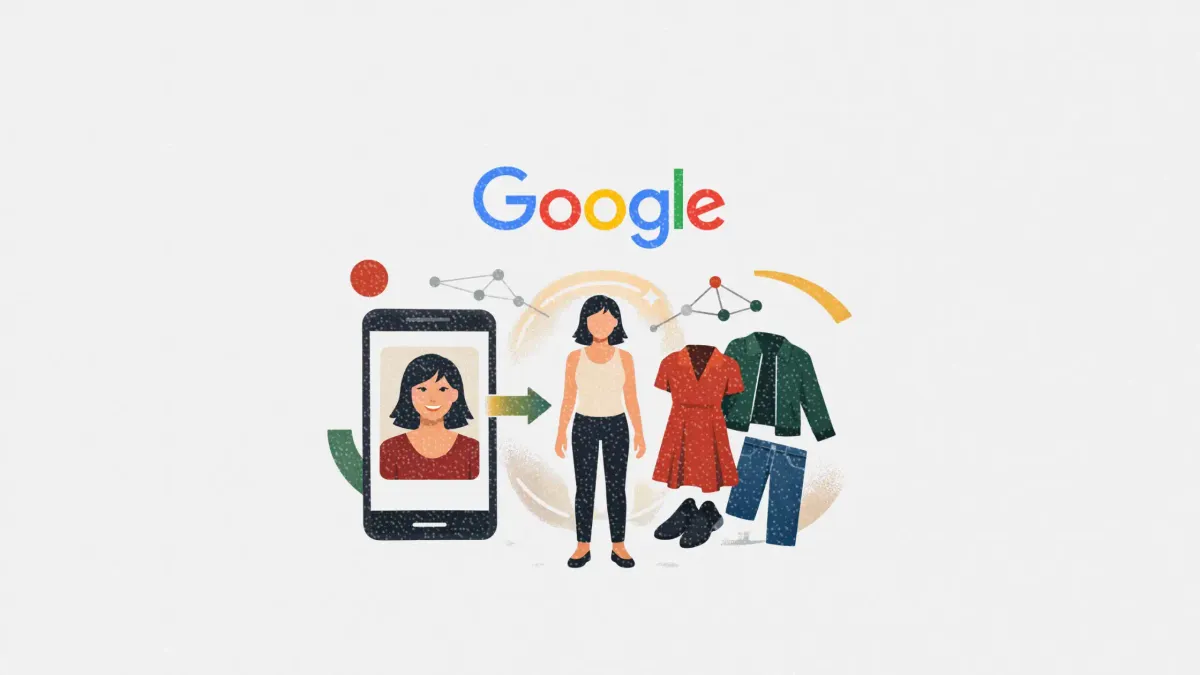
Google has unveiled a significant upgrade to its AI-powered virtual try-on tool, enabling users to generate a full-body digital model using just a selfie. The update, now live for U.S. users, is part of Google’s ongoing effort to enhance ecommerce conversion and product discovery, marking a notable shift in how consumers can interact with fashion online.
This upgrade leverages Google’s Gemini 2.5 Flash Image model, dubbed “Nano Banana,” which can create a realistic full-body representation based solely on a user’s facial image. Previously, the try-on feature required users to upload full-body images, making the process more cumbersome. Now, shoppers can simply take a selfie, select their clothing size, and the tool generates multiple studio-like images from which they can choose an avatar for their try-on experience.
The enhanced feature is accessible across Google Search, Shopping, and Images. Shoppers can tap a product listing and easily click on the “try it on” icon to begin the process. Google maintains the option for users to upload full-body photos or select from a variety of preset model bodies, ensuring flexibility for those who prefer it.
This isn’t Google’s first foray into AI fashion technology; the original try-on feature launched in July and is integrated into Google’s Shopping Graph, indexing over 35 billion product listings. Furthermore, Google operates Doppl, an AI-driven fashion discovery app that helps users visualize outfits tailored to their personal style. Recently, Doppl introduced a shoppable feed featuring AI-generated product videos and outfit suggestions, emulating the engaging formats popularized by platforms like TikTok and Instagram.
Marketers and ecommerce brands should take note of the implications of this technology. The introduction of selfie-based try-ons reflects a broader transformation in retail, where frictionless, visually rich personalization is becoming the norm. As consumers increasingly expect tailored experiences, brands that fail to adapt risk being overshadowed by competitors who meet these rising expectations.
Moreover, the expansion of visual commerce is rapidly reshaping product discovery. With AI-generated videos and virtual try-ons becoming commonplace, marketers must think creatively about how to engage consumers beyond static images. Incorporating short-form video, real-time styling tools, and rich media that resonates with social shopping experiences is essential.
As Google’s try-on feature pulls data from its vast Shopping Graph, maintaining the integrity and accuracy of product data will be crucial. Brands should ensure that their product listings are not only complete but also correctly represent sizes and attributes to avoid frustrating potential customers and undermining conversion rates. Auditing product feeds is now more important than ever.
Inclusivity also stands out as a critical factor in driving adoption of AI-powered solutions. While Google allows users to try on clothes using preset models of varying body types, brands can benefit by showcasing their products on diverse models. This approach not only reduces purchase hesitation but also builds trust with consumers who seek representation in their shopping experiences.
Google’s selfie-based try-on feature effectively breaks down barriers for shoppers, making AI-powered fashion accessible to a broader audience. By eliminating the need for full-body photos, it simplifies the shopping process while offering a high level of customization. For marketers, this advancement signals that integrating AI into the ecommerce experience is no longer optional but essential in meeting the evolving demands of consumers.
See also AI Optimism Boosts U.S. Indexes: S&P 500 Up 0.88% Amid Quad-Witching Volatility
 Presaige Launches AI Content Prediction Tool at CES 2026 to Optimize Engagement
 Coursera Merges with Udemy to Enhance Global Talent Development and Innovation
 Leaders Must Cultivate 5 Key Cultural Attributes for Successful AI Transformation
 Meta Faces EU Privacy Ruling, Launches New Ad-Choice Model Amid Regulatory Scrutiny