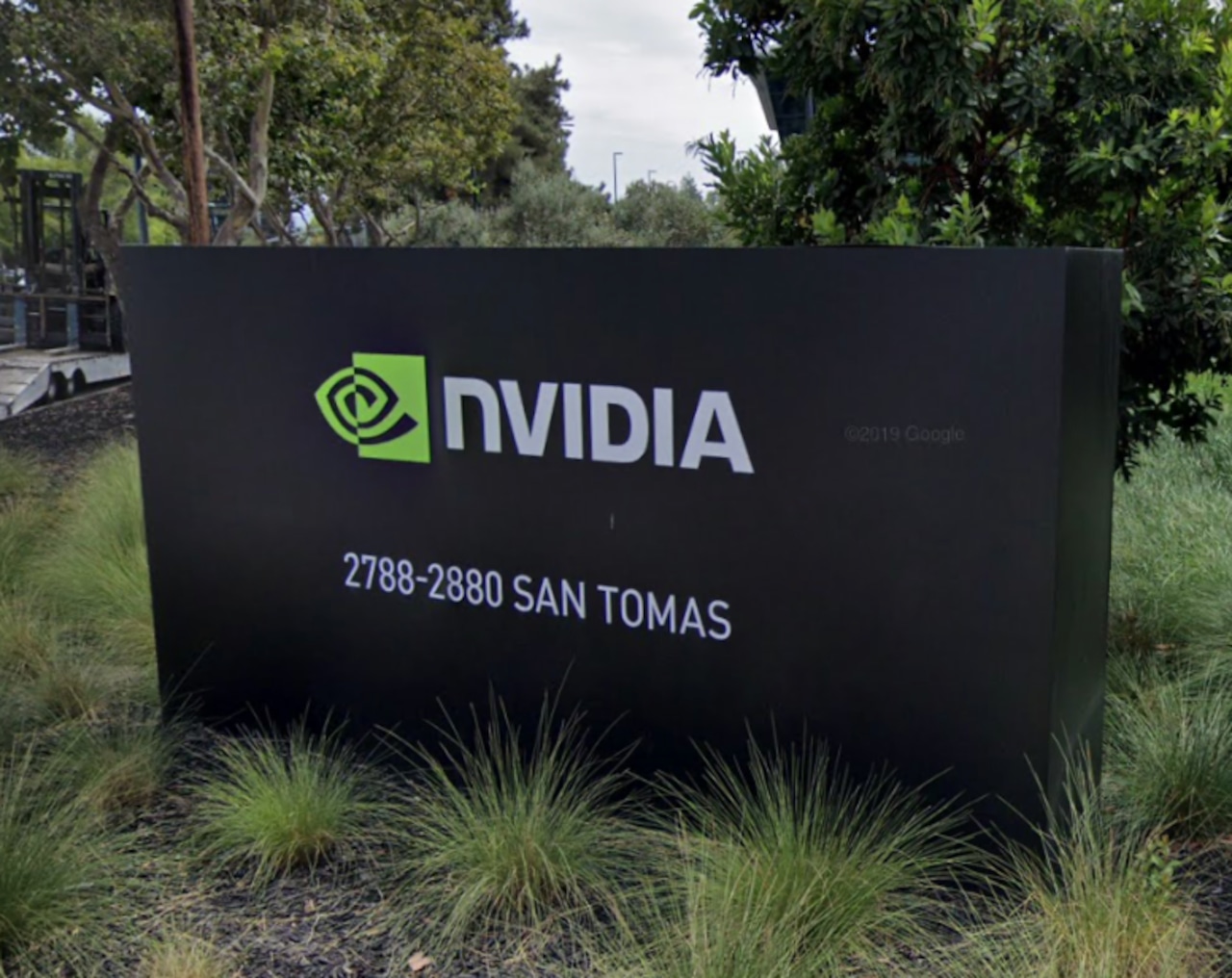
The artificial intelligence industry is witnessing **explosive growth**, marked by record investments, broad business adoption, and optimistic market forecasts. At the forefront of this development is **NVIDIA Corporation**, a technology company renowned for its design and manufacture of **graphics processing units (GPUs)**. Recent financial disclosures underscore NVIDIA’s significant role in the AI sector.
In its **Q3 earnings report for FY 2026**, NVIDIA announced a record revenue of **$57 billion**, reflecting an impressive **62% year-over-year increase**. This figure not only surpassed Wall Street’s expectations, which were set at **$55.4 billion**, but also highlights the company’s dominant position in the **AI hardware market** amid rising demand for chips that power generative AI and large-scale computing.
The data-center segment, which comprises sales to cloud providers and enterprises leveraging AI workloads, contributed **$51.2 billion** to NVIDIA’s revenue—marking a staggering **66% increase** from the previous year. Going forward, the company projects a revenue of **$65 billion** for its **Q4 earnings**. Jensen Huang, NVIDIA’s founder and CEO, noted, “Compute demand keeps accelerating and compounding across training and inference—each growing exponentially.” He emphasized that the industry has entered a “virtuous cycle” where the AI ecosystem is rapidly scaling with new players across various sectors and countries.
Challenges Ahead Despite Robust Growth
Despite these impressive figures, NVIDIA faces potential challenges. **Supply-chain constraints**, **U.S. export restrictions** on shipments to **China**, and stiff competition from companies like **Advanced Micro Devices (AMD)** and **Intel** could hinder growth. During a call on November 19, CFO **Colette Kress** acknowledged that certain large orders were limited due to these export rules, which may impact NVIDIA’s performance in international markets. Investors are now keenly observing whether NVIDIA can maintain its current rate of **AI-related spending**.
The timing of these results is noteworthy, coinciding with a surge of global interest in AI as enterprises, cloud providers, and startups rush to deploy new AI applications. NVIDIA’s performance signals that the demand for **high-performance computing** and specialized AI chips remains strong, solidifying the company’s status as a central player in the ongoing AI boom.
GPUs are essential processors that handle massive datasets and complex calculations, making them particularly effective for AI applications. Major tech firms such as **Meta**, **Tesla**, **Google**, and **OpenAI** rely on NVIDIA’s chips to power, train, and support their AI infrastructures. Kress reiterated during the earnings call, “Demand for AI infrastructure continues to exceed our expectations,” underscoring the robust market for NVIDIA’s offerings.
As the AI landscape continues to evolve, NVIDIA’s recent financial performance not only underscores its pivotal role in the industry but also highlights the broader implications for market dynamics and competitive positioning. The ongoing demand for cutting-edge AI technology places NVIDIA in a favorable position, yet the company must navigate significant challenges to sustain its growth trajectory.
In summary, the current figures from NVIDIA reflect a triumphant moment for the AI sector, revealing both the potential for innovation and the complexities involved in sustaining such rapid growth. As the AI ecosystem expands, the interplay between demand, competition, and regulatory frameworks will be critical in shaping the future landscape of this transformative industry.
See also Nvidia Surpasses Earnings Expectations with Strong A.I. Chip Demand Amid Bubble Concerns
 Felix Wallis Shares Key Strategies for Landing an AI Role Right After College
 AI-Enabled Fraud Surges 1,200% in Mexico as Governance Struggles to Keep Up
 Telstra Advances Network as a Product Strategy with New AI-Driven APIs for Developers
 Stocks Plunge 2% Amid AI Skepticism and Fed Rate Concerns; Bitcoin DropsStocks Plunge 2% Amid AI Skepticism and Fed Rate Jitters; Bitcoin Sinks Below $87K