The Internet of Things (IoT) compliance landscape has become increasingly intricate as the manufacturing and construction sectors embrace interconnected systems and dynamic environments. According to April Miller, Managing Editor at ReHack Magazine, many organizations continue to depend on manual audits and reactive reporting methods, which restrict visibility and delay responses to emerging risks.
AI-powered IoT systems offer a proactive alternative by facilitating continuous monitoring and data-driven insights, thereby enhancing workplace safety compliance. These advanced capabilities enable organizations to identify potential risks at an earlier stage and ensure consistent safety standards across multiple sites.
Traditional methods of safety compliance often fall short due to delays in incident reporting and human error during inspections, which can result in inconsistent enforcement. The time-sensitive nature of IoT data means that it quickly loses value when stored, increasing the urgency for efficient data handling, processing, and transmission to support timely decision-making. Static checklists are inadequate in capturing the dynamic risks present in workplaces where conditions can change rapidly throughout the day. This leads to significant visibility gaps across large or multisite operations, making it challenging to maintain standardized safety protocols. Consequently, many organizations find themselves reacting to incidents rather than proactively preventing them.
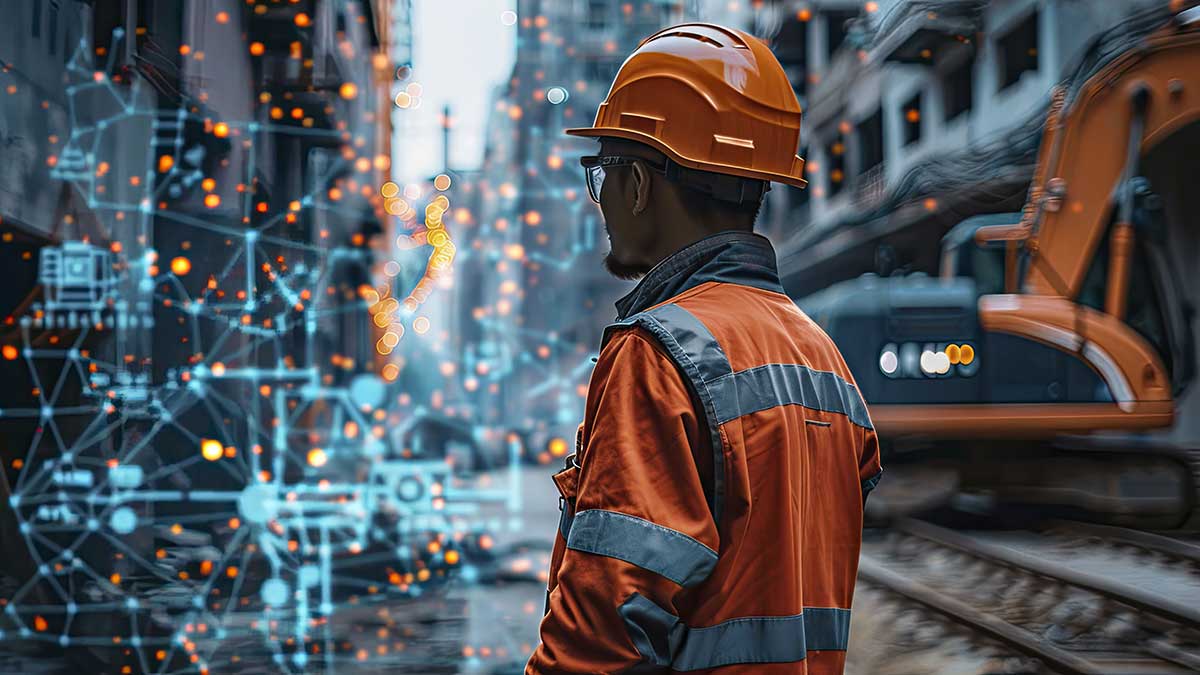
Core components of AI-driven safety monitoring include smart sensors that continuously detect environmental hazards, such as gas leaks and excessive noise levels. Computer vision systems monitor personal protective equipment (PPE) usage and unsafe behavior in real time, which improves accountability and enforcement. Additionally, wearable devices can track worker movements and vital signs, enabling quicker responses to health and safety risks. Centralized dashboards aggregate and visualize this data, providing teams with a unified view of safety performance across operations. This integrated approach allows organizations to correlate data from multiple sources for deeper insights and supports rapid decision-making by presenting actionable information in a clear format.
AI-powered IoT systems employ machine learning models to analyze sensor data in real time, identifying anomalies like sudden temperature spikes or hazardous environmental changes. Sound sensors provide immediate warnings and can trigger fire alarms, significantly boosting the chances of escaping dangerous situations before conditions worsen. When risks are detected, automated alerts are sent to supervisors or workers via mobile devices or on-site alarms, facilitating immediate responses. These systems can also detect unsafe proximity to heavy machinery or unauthorized access to restricted areas, thereby enhancing overall workplace safety outcomes.
Combining historical and real-time data allows predictive analytics to inform risk prevention strategies. AI can identify trends that precede accidents or compliance violations, such as repeated near-misses or unsafe behaviors. These insights empower organizations to take preemptive measures, stopping incidents before they occur. By continuously refining risk detection and response strategies, businesses can make informed decisions backed by clear data regarding workplace safety.
However, the deployment of AI-powered IoT systems raises valid concerns about employee monitoring and data collection, particularly concerning real-time tracking of behavior or biometric data. Organizations can mitigate these risks by employing anonymization techniques and enforcing secure data storage practices that limit access to sensitive information. In healthcare environments, IoT facilitates real-time monitoring of equipment and patient-related processes, thus minimizing errors and helping to comply with regulations such as HIPAA and GDPR. Adhering to data protection standards and ethical AI practices, including transparency and consent, ensures that safety monitoring remains effective while respecting individual privacy.
Automated reporting made possible by AI systems simplifies IoT compliance by continuously capturing, analyzing, and structuring operational data into standardized formats without manual effort. These platforms align with regulatory IoT frameworks and internal safety standards, ensuring all required data points meet compliance requirements. This approach significantly reduces the administrative burden associated with repetitive documentation tasks while enhancing accuracy and traceability across reports, thereby bolstering IoT compliance and providing real-time records for audits and inspections.
In addition, AI-powered IoT systems are designed to integrate seamlessly with existing enterprise platforms, such as enterprise resource planning systems. Organizations often experience approximately a 25% gain in NetOps efficiency once full network visibility is achieved, as data flows more uniformly across connected systems. Cloud platforms play a crucial role in enabling real-time data exchange and scalable storage for IoT-driven insights. However, integration with legacy systems and the persistence of data silos can hinder interoperability, necessitating careful planning and modernization strategies. Strong data governance and standardized protocols are vital for ensuring consistent integration across diverse systems.
Despite the potential benefits, organizations encounter several challenges when implementing AI-powered IoT safety systems, including upfront costs and workforce adoption issues. Many IoT devices may not be compatible with existing infrastructure, often requiring substantial investments in new technology for effective performance. A phased deployment strategy that begins with high-risk areas enables teams to demonstrate value while managing costs and complexities. Successful implementation also hinges on training programs and ongoing system optimization to sustain performance and long-term adoption. Clear change management strategies help mitigate resistance and foster user acceptance throughout the workforce.
AI-powered IoT systems are revolutionizing workplace safety from a reactive response model to a proactive risk management framework. By enabling continuous monitoring and faster interventions, these systems enhance IoT compliance while improving accuracy and operational efficiency. Organizations that embrace these intelligent safety solutions can fortify compliance outcomes and promote healthier, safer work environments.
See also Cybersecurity Experts Urge Swift AI Regulation Amid 44% Rise in Cyberattacks
 Midland’s New Group Aims to Regulate AI Use Amid Local Concerns and Global Impacts
 Sam Liccardo Faces Backlash Over AI Regulation Endorsement Amid $140M Super PAC Influence
 Nebraska Supreme Court Suspends Lawyer for Submitting AI-Generated Brief with 57 Errors