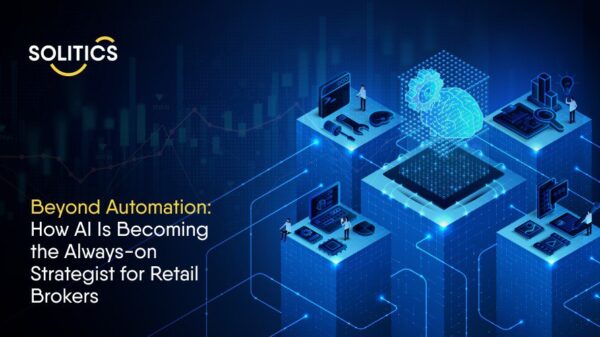
Artificial intelligence is fundamentally transforming the landscape of software quality validation, particularly in complex sectors like financial technology. By moving beyond traditional predefined test scripts, AI-driven testing systems can analyze application behavior, generate diverse test scenarios, and identify risks before defects transition to production. This shift is essential as the intricate nature of modern applications demands more sophisticated testing methodologies.
Historically, software testing followed a deterministic framework: engineers developed code, testers designed specific scenarios, and automation frameworks executed these scripts to ensure applications functioned as intended. If these scripts were successful, the software was deemed stable enough for release. While this approach has served the industry well for decades, the rapid evolution of digital platforms, especially in fintech, has revealed its limitations.
Today’s applications operate across distributed cloud environments, integrate with various external services, and undergo continuous updates, making traditional automation increasingly inadequate. As the complexity of software grows, so too does the need for intelligent testing methodologies that can adapt to shifting landscapes.
AI-driven testing represents a breakthrough in this regard. Rather than relying solely on predetermined scripts, these systems employ machine learning to analyze behavioral data and adapt testing strategies dynamically. This evolution enables a transition from mechanical automation to intelligent quality assurance, which continuously evaluates the reliability of software.
The implications of AI-driven testing are particularly pronounced in the fintech sector, where a software defect could result in significant financial discrepancies. Issues such as incorrect payment cycles or flawed fraud detection can lead to dire consequences, including damaged customer trust. Therefore, modern testing approaches must comprehend the complex interactions inherent in financial platforms to ensure reliability.
Traditional automation frameworks depend on deterministic scripts, which can become burdensome as workflows evolve. The frequent updates required to keep test suites in sync with changing user interfaces, APIs, and business rules consume considerable time and resources. In some organizations, the effort to maintain automated tests equals that of creating them in the first place, highlighting the limitations of this method. Traditional automation does not possess the capability to understand the systems it tests; it merely executes commands.
In contrast, AI-enhanced testing utilizes a fundamentally different approach. AI systems analyze how applications behave in real-time, adjusting their testing focus based on emerging patterns. These platforms synthesize multiple data sources, including historical test outcomes, application logs, and user interaction metrics, to identify potential issues that might escape human notice.
One of the most promising facets of AI in testing is its use of generative AI to create new test scenarios. Large language models can interpret product requirements and system documentation, transforming them into structured test cases. For instance, a product manager describing a complex customer payment scenario can prompt a generative AI system to produce numerous variations of test cases that would be challenging for human testers to conceive. This capability allows for the rapid generation of extensive test permutations, enhancing coverage and accuracy.
Additionally, AI-driven testing excels in predictive analysis. Software platforms generate vast amounts of operational data, allowing machine learning models to analyze historical trends and predict where defects are likely to occur. This capability is particularly valuable in fintech, where extensive datasets related to transactions and fraud detection provide fertile ground for predictive insights.
As financial transactions often traverse multiple systems, from fraud detection to compliance checks, AI-driven testing can monitor these interactions and identify patterns indicative of potential failures. By analyzing how various components behave under different conditions, these systems can flag issues early in the development cycle, ultimately reinforcing software integrity.
Looking ahead, the evolution of AI capabilities suggests a shift towards what is termed autonomous quality engineering. This model envisions AI systems that automatically generate test scenarios, prioritize validation based on risk, and continuously adapt testing frameworks as applications evolve. Human teams will play a crucial role in defining quality strategies and interpreting the insights derived from these intelligent testing platforms.
In the complex world of fintech, where software decisions directly impact financial transactions and regulatory compliance, the integration of AI into testing processes is becoming indispensable. By building systems that not only execute validation tasks but also anticipate risks, organizations can enhance the reliability of their software, laying a stronger foundation for trust in financial systems.
See also NVIDIA Launches Ising Quantum AI, Partners with Major Firms for Quantum Systems Integration
 Khan Sir Explains AI’s Impact on Engineering Jobs: Evolution, Not Elimination
 Acceed Launches Fanless NRU-160-FT Edge AI System with 100 TOPS Performance
 Sardden Launches Optimized Token to Democratize AI Power in Decentralized Networks
 Caason Group Advances AI-Driven Manufacturing Strategy Under Craig Astill’s Leadership