






















































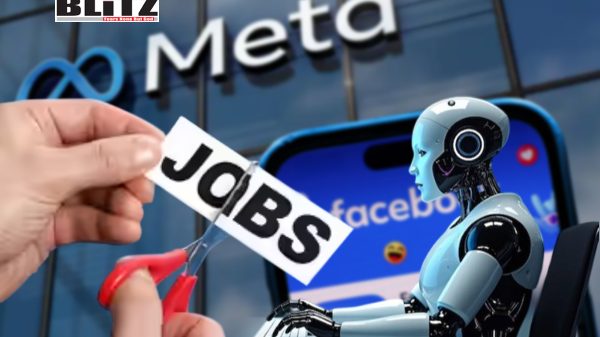
Two major United States technology companies, Meta and Microsoft, are poised to implement significant job reductions as they grapple with increasing costs associated with investments in artificial intelligence (AI). Reports indicate that the planned changes could impact up to 16,000 employees, based on internal communications and company documents.
The anticipated workforce adjustments come at a time when both firms are investing heavily in advanced computing systems designed to support new AI tools. These systems require substantial capital for infrastructure, including costly computer centers, powerful hardware, and teams of specialized workers. While these investments are aimed at future growth, they have escalated short-term expenses, compelling leadership to curb spending in other areas, notably staffing.
Meta, which owns Facebook, is planning to reduce its workforce by approximately 10 percent, translating to around 8,000 jobs. Along with closing around 6,000 unfilled positions, the total reduction and hiring changes could exceed direct job cuts. Reports indicate that the job cuts were initially communicated in an internal message to employees before becoming public. The company plans to commence this process on May 20, with many of the affected roles situated outside the core AI development and essential technical work.
In its pursuit of cutting-edge AI capabilities, Meta has been heavily investing in infrastructure and systems. These facilities demand considerable electricity, advanced chips, and continuous maintenance. The company is also in competition with other tech giants to create more sophisticated systems that can perform various tasks, including text generation and complex problem-solving. Looking ahead, Meta anticipates annual expenditures on major investments could reach between $115 billion and $135 billion by 2026, a significant portion of which will be allocated to the establishment and operation of these computer centers, along with external service costs and equipment maintenance.
On the other hand, Microsoft is approaching workforce changes differently. Rather than imposing direct layoffs, the company is offering voluntary exit packages to long-term employees within the United States. This program is expected to affect around 7 percent of its U.S. workforce, potentially encompassing more than 8,000 employees. Eligibility criteria include a combination of age and years of service totaling 70 or more, allowing employees to opt for a departure with financial backing rather than facing forced job cuts.
Microsoft has already undertaken workforce reductions in previous initiatives, including a notable cut of over 15,000 jobs in 2025. Despite these reductions, the company continues to invest heavily in AI systems, with plans for about $140 billion in technology investments, largely earmarked for new system development and network enhancements.
Both Meta and Microsoft are channeling substantial resources into AI, viewing it as a pivotal growth area within the tech sector. These systems are engineered to execute tasks typically requiring human intelligence, including language comprehension and problem resolution. However, the costs associated with developing and sustaining these systems are significant, necessitating investments in high-performance chips, extensive data storage, and climate-controlled facilities for computing power. The rising salary costs for skilled engineers exacerbate the financial strain, prompting firms to streamline operations while managing escalating expenses.
The impact of AI on employment is increasingly concerning within the U.S. technology landscape. Recent studies suggest that tens of thousands of job losses have been directly or indirectly linked to the adoption of AI tools, with companies either replacing human roles or restructuring teams to prioritize AI development. A recent report noted that over 52,000 job cuts in the first quarter of the year were associated with this technological shift.
Public apprehension regarding these developments is also growing. A recent survey indicated that 57 percent of Americans believe AI is evolving too rapidly, with approximately 79 percent expressing worry that governmental leaders lack a coherent strategy to protect workers facing job displacement due to technological advancements.
Experts argue that the current wave of job reductions does not necessarily equate to a contraction in the tech industry but rather signals a significant transformation in operational focus. Companies are pivoting away from older roles and systems, placing greater emphasis on AI development, which leads to the obsolescence of some positions while creating new opportunities in advanced engineering and system design.
This transition introduces uncertainties for the workforce, as some skills become less relevant while new roles emerge that require different competencies. Those in the technology sector may need to acquire new skills to maintain their competitiveness in an evolving job market.
In addition, companies face pressure from investors to rein in costs while demonstrating progress in AI capabilities, resulting in challenging decisions that include workforce reductions alongside continued substantial investments in future technologies. The decisions made by Meta and Microsoft are likely to have a ripple effect across the tech industry, as their strategies often influence the actions of other firms facing similar challenges.
As AI technology becomes more prevalent, governments and policymakers are expected to closely monitor these transitions. This increasing reliance on automated systems has sparked discussions about supporting displaced workers, with proposals for training programs and regulations to better manage the implications of automation. In the near term, attention will focus on the execution of these job changes and their effects on the workforce. While AI is anticipated to offer long-term advantages to tech companies, it simultaneously poses immediate challenges to employment within the sector.
See also AI Tool Malus.sh “Liberates” Software from Copyright, Raising Legal Concerns
 Legal AI Tools Exhibit Hallucination Risks, Highlighting AI-Nativity Gap in Law Firms
 AI Criminals Hire Humans via RentAHuman, Raising Legal Responsibility Gaps
 Snowflake Shares Rise 3.2% as Company Reaffirms Fiscal 2027 Guidance and AI Updates
 Lokeshkumar Madabathula Unveils AI-Driven Data Ingestion Framework for Scalable Analytics














